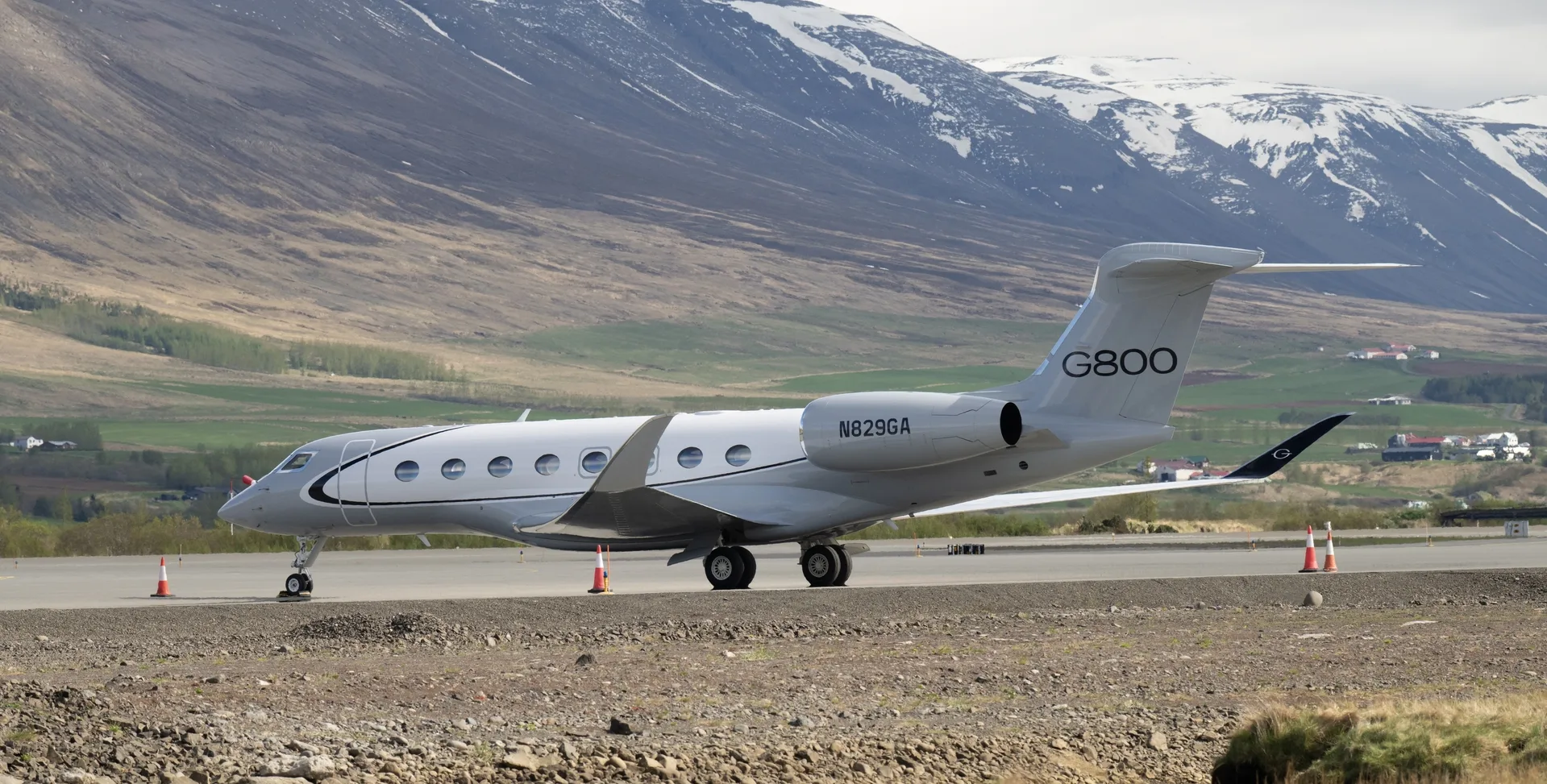
The Gulfstream G800 Validates the Potential of Sustainable Fuel in Real Flight Conditions
Montana Renewables exclusively supplied 100% sustainable aviation fuel MaxSAF® for the Gulfstream G800 executive jet’s test campaign, becoming an essential partner in a program that evaluated fuel performance at altitudes up to 50,000 feet.
The tests compared conventional Jet-A fuel, low-sulfur Jet-A, and pure Sustainable Aviation Fuel (SAF) produced via the HEFA (Hydroprocessed Esters and Fatty Acids) pathway.
Preliminary results show a significant reduction in engine-emitted particles when operating with 100% SAF, thereby decreasing the number of condensation nuclei responsible for the formation of persistent contrails behind aircraft.
Prior analysis of the fuel’s physicochemical properties was conducted by Washington State University to ensure experimental consistency during the flight campaign.
Beyond CO₂: The Technical Challenge of Non-Carbon Emissions
Although carbon dioxide reduction often focuses attention on aviation decarbonization, recent research demonstrates that non-CO₂ emissions also have a significant influence on climate warming.
During the combustion of conventional fuel, microscopic soot particles and sulfur-derived compounds are generated, acting as condensation nuclei for water vapor present in the upper atmosphere. When temperature and humidity conditions are favorable, these particles promote the formation of persistent condensation trails that can evolve into cirrus-type clouds.
The use of SAF fuels, which are virtually free of sulfur and aromatic compounds, significantly reduces the amount of emitted particles, decreasing the potential for these contrails to form without needing to modify engine design or aircraft architecture.
100% SAF Production Gains Relevance in Air Transport’s Energy Transition
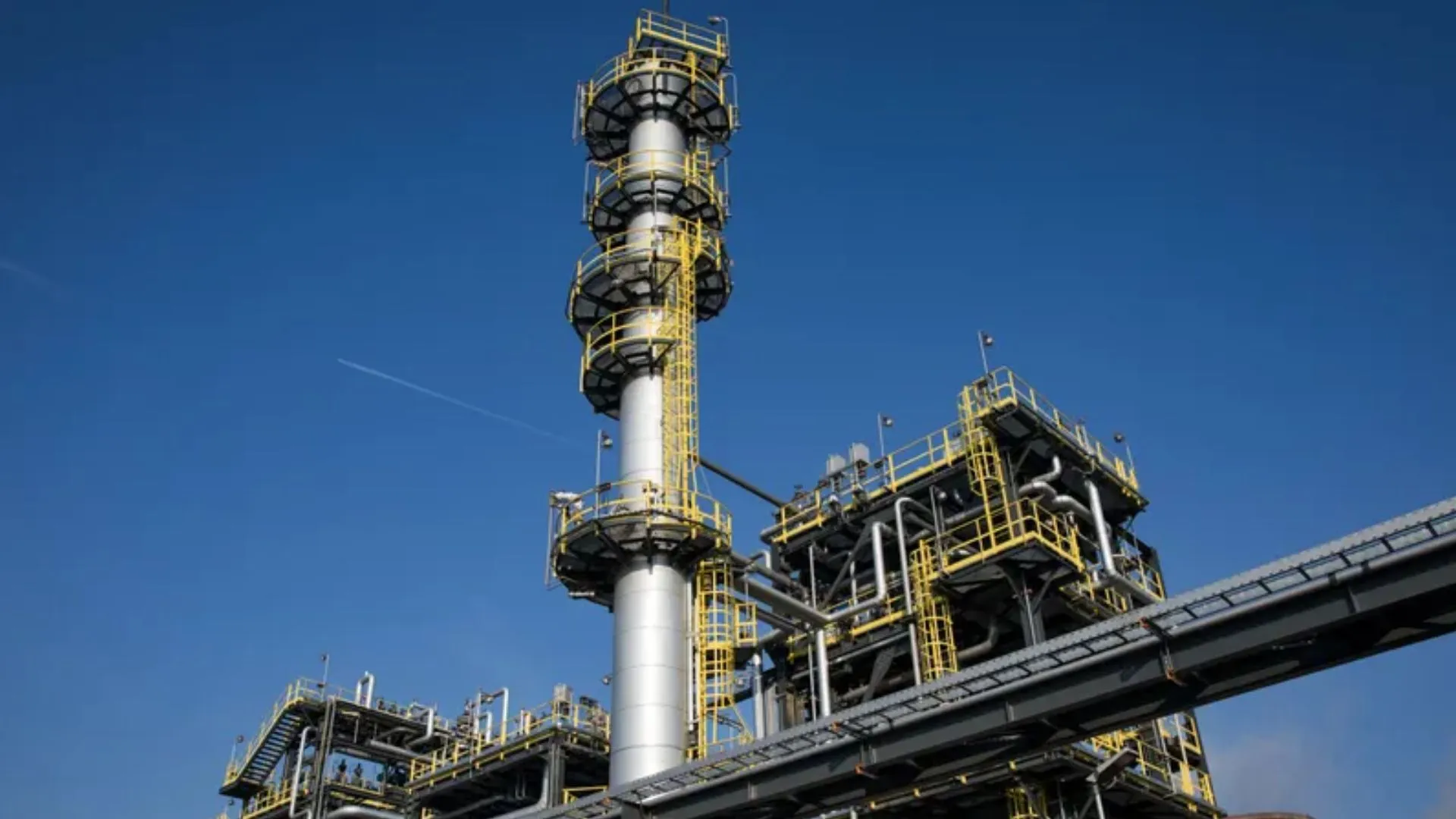
Montana Renewables has established itself as one of the leading North American producers of sustainable aviation fuel by utilizing renewable feedstocks such as vegetable oils, used cooking oils, animal tallow, and camelina oil.
The fuel used in these tests belongs to the HEFA family, currently considered the most industrially mature 100% SAF production technology.
Its use significantly reduces the carbon intensity over the fuel’s life cycle, in addition to decreasing sulfur emissions, solid particles, and other atmospheric pollutants.
Fuel Engineering to Optimize Aviation’s Environmental Performance
The tests conducted with the Gulfstream G800 by Montana Renewables illustrate how innovation in fuel engineering can become a strategic complement to aerodynamic and engine efficiency improvements.
Instead of merely focusing on reducing specific fuel consumption, current research also seeks to optimize the molecular composition of fuel to directly modify combustion processes and the generation of ultrafine particles.
This approach opens new possibilities for reducing aviation’s climate impact through solutions compatible with existing airport infrastructure and in-service aircraft.
As the commercial availability of SAF increases, these types of studies will provide essential information for future certifications, operational strategies, and international policies aimed at lower-emission aviation.
Source: https://www.prnewswire.com/
Photo: Shutterstock