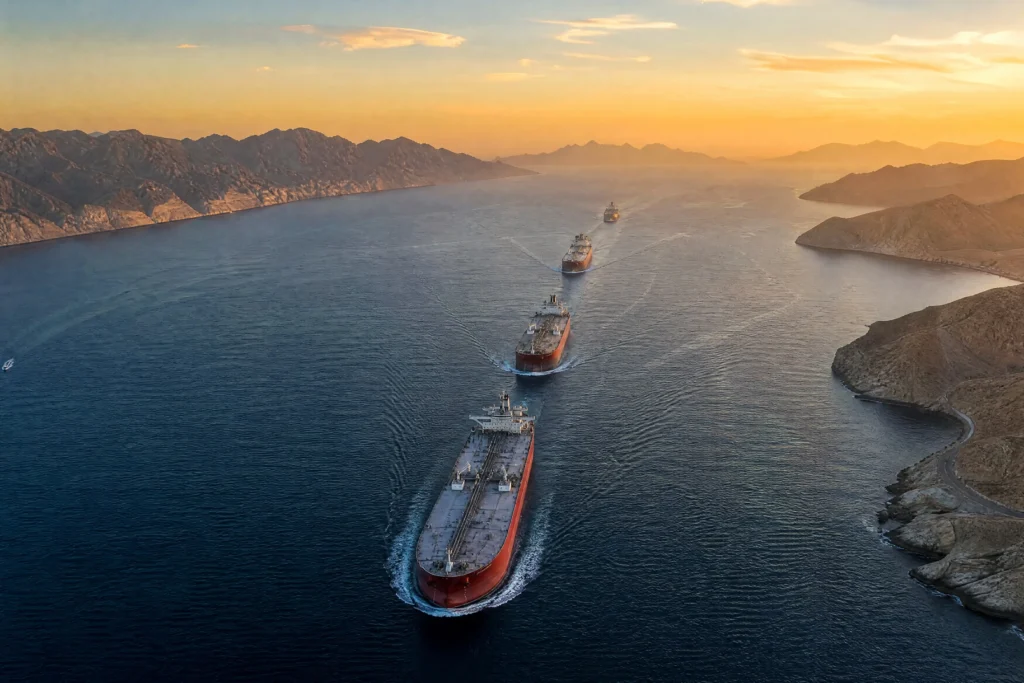
The Middle Eastern oil exports they increased in September until they reached 12.8 million barrels per day, driven primarily by the recovery of shipments from Saudi Arabia and other Gulf producers.
According to preliminary data from Kpler, this increase coincides with greater export activity through the Strait of Hormuz, one of the most important routes for the transport of oil and other energy products in the region.
Despite this recovery, oil flows still remain below pre-conflict levels, in February, regional exports hovered around 18.8 million barrels per day, according to Kpler’s data.
Saudi Arabia promotes oil exports
Saudi Arabia it is on track to export around 5.4 million barrels per day during September, which represents a considerable recovery compared to the 2.446 million barrels per day registered in August.
A significant part of this increase comes from Ras Tanura in the Persian Gulf, shipments from this port reached approximately 3.6 million barrels per day in September, compared to 929,000 barrels per day the previous month.
At the same time, Saudi flows have shifted to eastern routes as the country manages the constraints resulting from damage to the East-West pipeline.
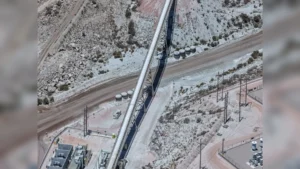
This infrastructure connects the production areas of eastern Saudi Arabia with the Red Sea coast and has a capacity close to 7 million barrels per day of that volume, around 2 million barrels per day are usually destined for refineries on the west coast, while the remaining capacity can be used for exports.
The Middle East increases its crude oil flows through Hormuz
On the other hand, exports through the Strait of Hormuz they positioned themselves near the 7.4 million barrels per day during September. The recovery of traffic on this maritime route has contributed to the increase in shipments from the Gulf.
Kpler also accounted for the departure of 19 large Saudi crude oil tankers through the strait during the last week analyzed. Each of these vessels can carry approximately 2 million barrels.
However, maritime tracking systems do not always reflect all traffic, some vessels may sail with their automatic identification system transponders turned off, making them difficult to detect and track.
Before the conflict, Hormuz regularly recorded the transit of about 125 large commercial vessels per day this route was heavily used by oil tankers, gas carriers, bulk carriers, and container ships. Furthermore, it handled approximately 20% of the world’s daily supply of oil and liquefied natural gas.
Oil flows remain below previous levels
Although September shows a recovery in Middle Eastern crude exports, the regional volume is still approximately 6 million barrels per day below the 18.8 million recorded in February.
In this context, the evolution of maritime traffic through Hormuz and the recovery of Saudi oil infrastructure will be crucial factors in determining how much additional crude oil can return to international markets.
The reopening of the East-West pipeline also provides Saudi Arabia with an alternative route to move oil to the Red Sea, allowing the kingdom to distribute its exports across different corridors while maintaining shipments from the Persian Gulf.
Source: Oil Price
Photo: Shutterstock