Malaysia’s energy system is undergoing a transformation driven by increased electricity consumption. The growth of data centers and the high temperatures recorded in recent months have raised energy demand to unprecedented levels, leading the country to reinforce the use of natural gas from its offshore fields.
According to data from the Peninsular Malaysia power grid operator, electricity demand increased by 11.5% year-on-year during April. To meet this increase, gas-fired power generation grew by more than 50%, while coal-based production experienced a significant reduction.
Natural gas use replaces part of coal-fired generation
Currently, natural gas is consolidating its position as one of the primary sources for meeting the growth in electricity consumption in Malaysia. Gas-fired power production reached a record 5.54 terawatt-hours during April, reflecting the country’s capacity to leverage its domestic energy resources.
Meanwhile, coal’s share in power generation fell to 51.2%, its lowest level in more than four years. At the same time, the share of gas increased to 42.6%, reaching highs not seen since 2019.
This shift responds to a strategy aimed at strengthening energy security and reducing dependence on imported fuels to supply growing domestic demand.
Petronas increases supply from offshore fields
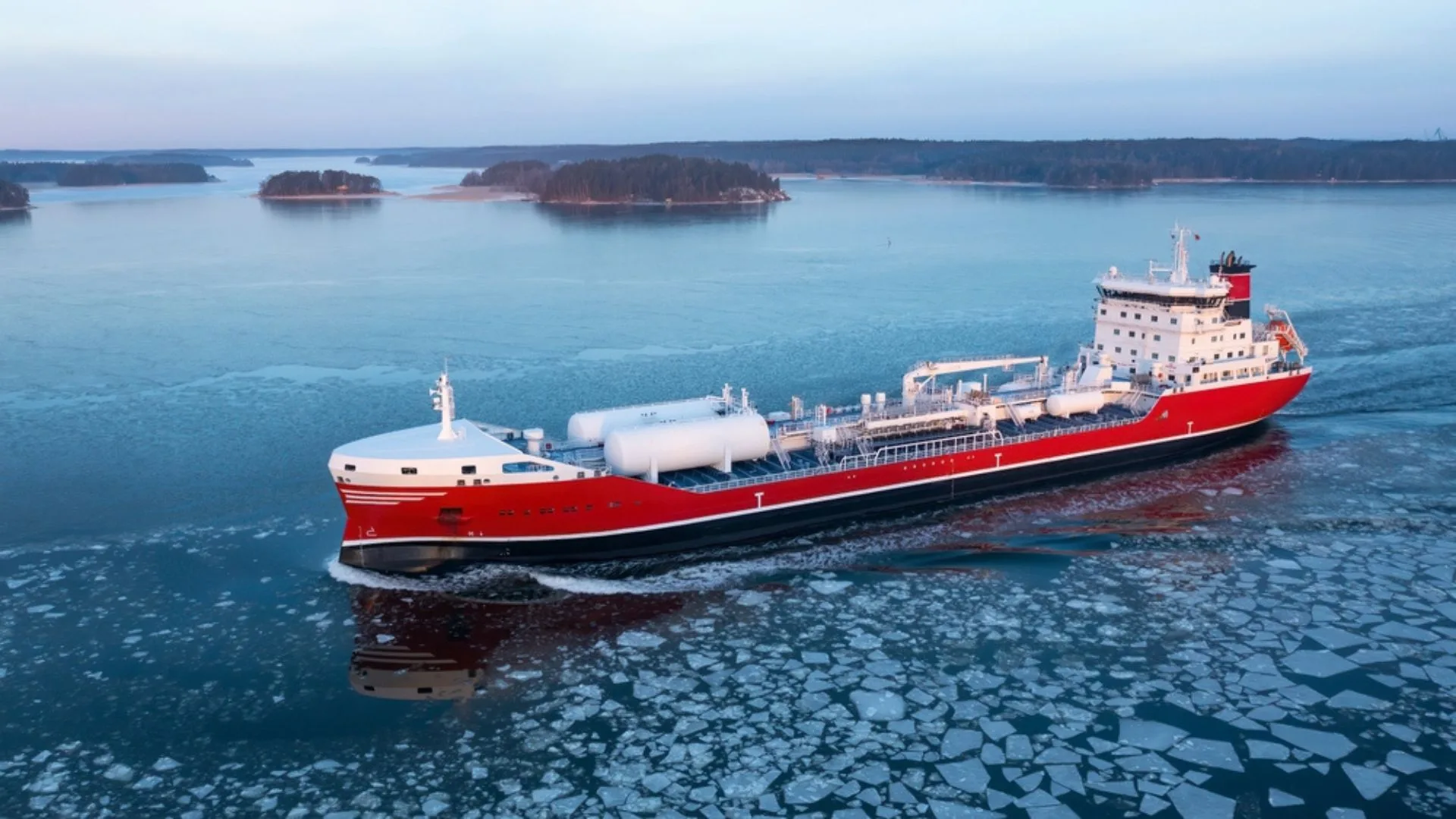
To sustain the increase in consumption, Petronas has intensified the shipment of liquefied natural gas from its offshore fields to Peninsular Malaysia.
Volumes transported during the first months of the year reached 446,000 metric tons of LNG, nearly three times the total moved during 2025. The company explained that the national system combines gas from offshore fields with LNG imports to ensure supply stability.
Furthermore, this strategy allows for maintaining competitive energy prices for industry and the new technological projects being developed in the country.
Data centers drive electricity growth
The rapid development of digital infrastructure has become one of the main drivers of Malaysian energy demand.
Industry analysts predict that electricity consumption will continue to grow by around 4% annually over the coming years due to the construction of new data centers. These facilities require a stable and continuous supply, which increases the need for firm power generation.
Added to this is the persistence of temperatures above the seasonal average across much of Southeast Asia, a phenomenon that keeps cooling requirements high in both industrial and residential facilities.
Malaysia maintains its LNG exports
Despite the increase in domestic consumption, Malaysia continues to play a significant role in the international liquefied natural gas market.
LNG exports have grown by 14.6% so far this year, reaching 12.81 million tons. This performance demonstrates the country’s ability to simultaneously meet domestic market needs and international supply commitments.
Specialists believe that future evolution will depend on global LNG availability and the planned expansion of production capacity in various markets. In this context, Malaysia seeks to balance its internal energy growth with its position as one of the world’s leading exporters of liquefied natural gas.
Source: Reuters
Photo: Shutterstock