Table of Contents
The Lithuanian Environmental Protection Agency issued a favorable resolution regarding the Environmental Impact Assessment (EIA) of the Curonian Nord offshore wind farm. This decision authorizes the developer, Ignitis Renewables, to proceed with the subsequent planning and licensing phases for the country’s largest energy infrastructure.
The institutional resolution establishes that the construction and operation of the wind farm are viable under compliance with strict mitigation guidelines. The corresponding technical report was prepared in accordance with Lithuanian legislation and current international standards for the preservation of marine environments.
Viability and protection of the Curonian Nord offshore wind farm
The assessment process included analyses of potential effects on marine biodiversity, fisheries, landscape, and public health. The project promoters will implement an adaptive management system and long-term environmental monitoring. These actions will minimize disturbances to ecosystems during the turbine installation phase.
Anne-Marie Roikjær, director of the Curonian Nord project, noted that the positive opinion ratifies the validity of previous field investigations. According to the executive, collaboration with authorities and local communities has enabled the structuring of a strategy that ensures the wind farm’s compatibility with high ecological requirements.
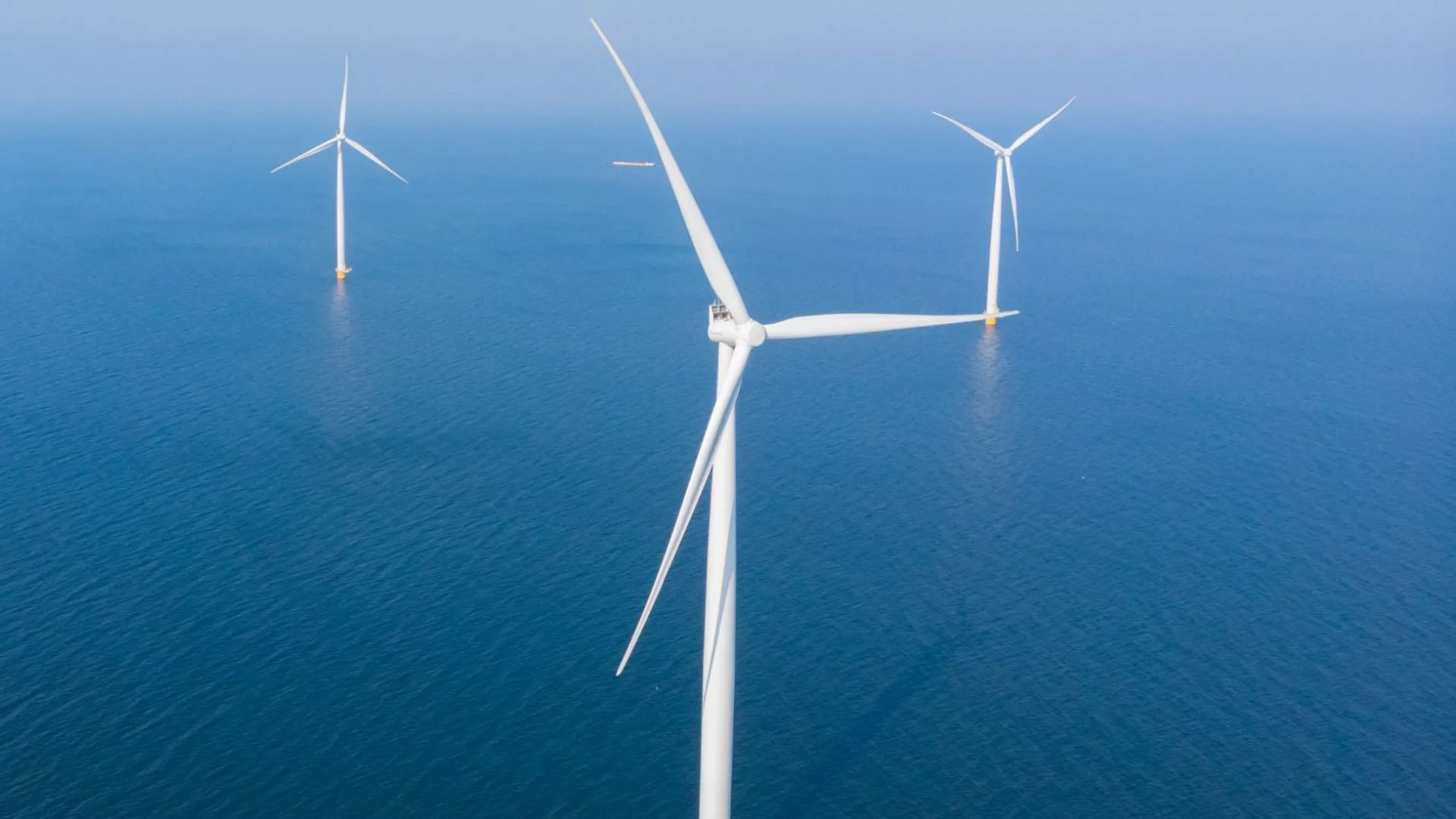
The projected infrastructure will be located in the Baltic Sea, at a minimum distance of 37 kilometers from the Lithuanian coastline, and will occupy an estimated area of 120 square kilometers. The facility will have an installed capacity of 700 megawatts, enabling annual generation of approximately 3 terawatt-hours (TWh) of clean electricity.
Likewise, the organization’s official schedule stipulates that the environmental approval constitutes the regulatory basis for processing the remaining authorizations. The current timeline anticipates final construction permit approval for 2027, consolidating the transition toward sustainable energy sources in the Baltic region.
Source and photo: Ignitis Renewables