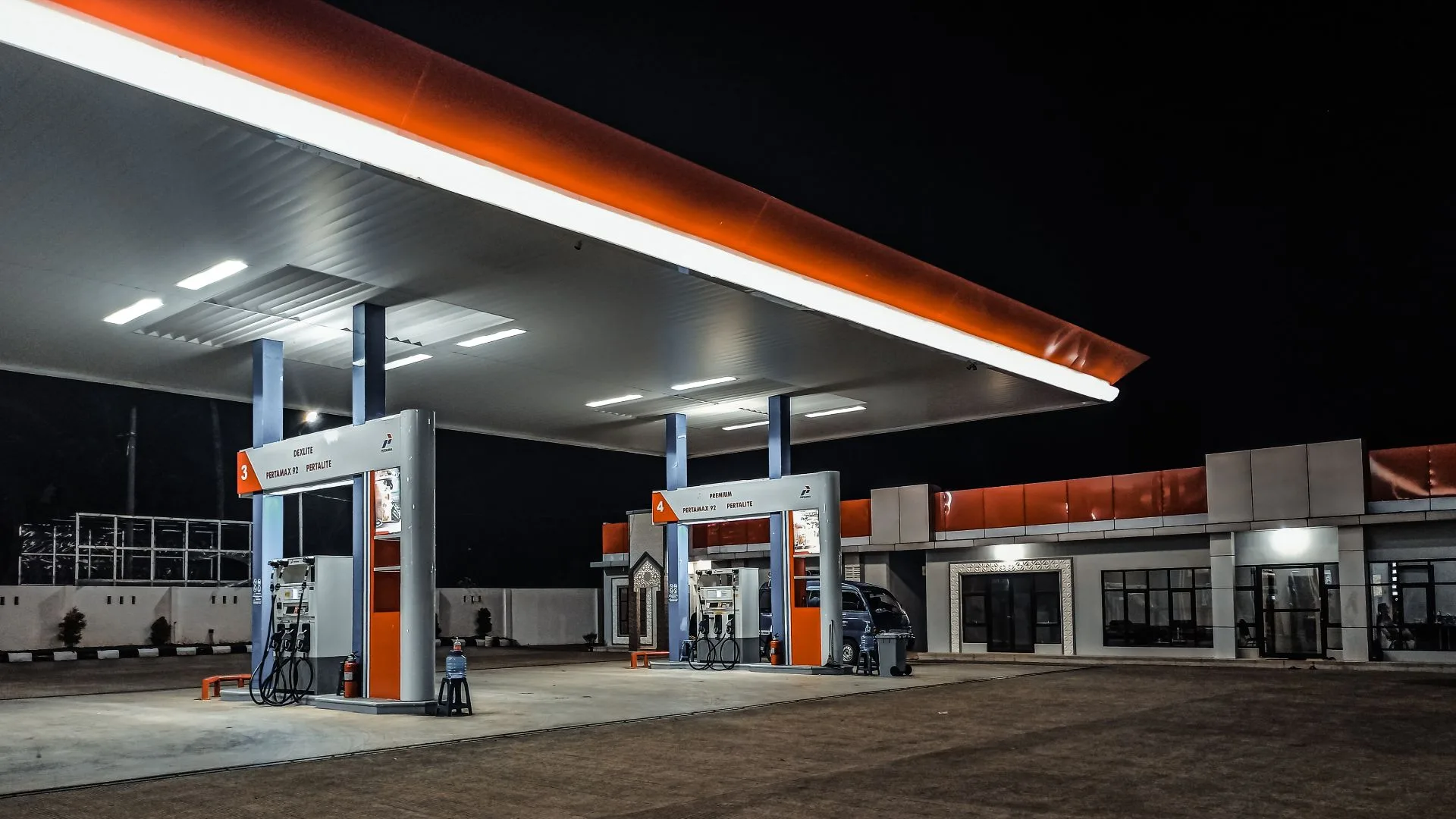
The Indonesian government formally commenced the implementation of the B50 biodiesel regulation on July 1. This measure establishes a mandatory blend composed of 50% palm oil-derived diesel and 50% conventional fuel. The initiative directly seeks to counteract dependence on imported hydrocarbons, especially after the international conflict in the Middle East, which increased global crude oil prices since last February.
The implementation of B50 biodiesel following the diesel price increase
Conventional unsubsidized diesel recorded a cost increase of up to 46% during the current year in the Indonesian market. Drivers face a price of 21,150 rupiahs ($1.17) per liter of fuel, a figure that triples the 6,800 rupiahs per liter of State-subsidized biodiesel. The economic gap pushes various segments of the population, including retirees and transporters, to migrate towards the agricultural alternative to mitigate the impact on their monthly budgets.
The transition to plant-based fuel requires substantial technical transformations in internal combustion engines. Workshops on the outskirts of Jakarta report an unusual influx of customers seeking to adapt their vehicles to avoid mechanical damage. The cost of adaptation is around 4 million rupiahs and includes the addition of protective substances against corrosion, the installation of a water separator, and the computer adjustment of the car’s electronic system.
Local mechanics indicate that vehicles powered by biodiesel will require an increase in periodic visits to the technical workshop. Palm oil-based fuel generates a higher accumulation of sediments compared to conventional fuels, which necessitates constant replacement of injection filters.
Indonesian President Prabowo Subianto categorized the launch of this blend as an achievement of high national relevance and expressed the state’s intention to move towards variants with a higher biofuel concentration, suggesting the viability of a future B60 standard. However, international analysts warn about the financial viability of the project due to the volatility of palm oil prices, which often trade at a premium compared to regular diesel.
Recent peace attempts in the Iran region temporarily reduced international crude oil prices, increasing pressure on the public budget allocated to sustain local subsidies. Likewise, the trade balance of the world’s largest palm oil exporter faces the challenge of balancing domestic consumption with international raw material export commitments.
Source: Reuters
Photo: Shutterstock