Maritime Developments Ltd. (MDL) completed a SURF decommissioning campaign in the Campos Basin, Brazil, aimed at recovering subsea infrastructure associated with a decommissioned floating production, storage, and offloading (FPSO) unit.
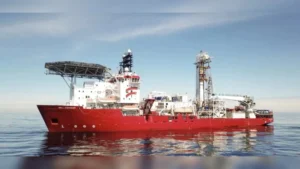
The operation was executed approximately 250 kilometers east of Rio de Janeiro from a multipurpose vessel chartered by the field operator. The scope included the recovery of flexible flowlines, umbilicals, and subsea connections.
Additionally, MDL supplied the deck-installed equipment along with engineering services and the offshore personnel required to perform the recovery maneuvers.
FEED Engineering Prepared MDL’s SURF Decommissioning
Before commencing offshore work, MDL developed a feasibility study and a Front-End Engineering Design (FEED) phase to determine if the vessel selected by the operator could be used during the campaign.
During this stage, recovery methods, the top tensions required by subsea products, reel capacity, and the layout of deck equipment were analyzed. Preliminary structural considerations for the vessel were also evaluated.
Thus, the engineering work allowed for defining the equipment configuration that would later be mobilized to execute the decommissioning in the Campos Basin.
WHLS-02 Managed Loads Up to 105 Metric Tons
For the offshore campaign, MDL deployed its WHLS-02 wheeled horizontal lay system along with a 110-metric-ton capacity tensioner.
The package also included a third-generation reel drive system, an FRN-150 offshore winch, and certified marine operation reels.
According to MDL, the wheeled design of the WHLS reduces the so-called winch effect during the recovery of SURF infrastructure in deep waters. This configuration allowed the use of a single high-capacity tensioner to manage recovery loads of up to 105 metric tons.
Likewise, the portable nature of the equipment allowed the system to be installed on the chosen vessel for the campaign without relying on a dedicated subsea construction vessel.
A Multipurpose Vessel for Recovering Subsea Infrastructure
The use of a multipurpose vessel is one of the relevant technical elements of the campaign. In this case, prior engineering allowed the recovery solution to be adapted to a vessel that had already been contracted by the operator.
Yuri Mendes Martins, Director of MDL Brazil, explained that the project evolved from the initial feasibility study to the offshore execution phase. According to the executive, this approach allowed them to support the client throughout the different stages of the project.
The strategy also sought to reduce reliance on specialized subsea construction vessels. These assets are typically used for the installation, intervention, and recovery of offshore infrastructure and may be committed to long-term contracts.
For the operator, having portable equipment on a vessel specifically selected for the campaign can provide greater flexibility in organizing operational windows and controlling costs associated with decommissioning.
Campos Basin Faces Retirement of Mature Assets
The campaign expands MDL’s experience in subsea decommissioning work in Brazil as operators manage infrastructure associated with mature offshore fields.
In this type of operation, the recovery of flowlines, umbilicals, and other components requires combining prior engineering with systems capable of controlling high loads during lifting from great depths.
The project developed in the Campos Basin demonstrates how portable recovery systems can be integrated into multipurpose vessels to remove SURF infrastructure linked to facilities that have completed their operational life.
Source: World Oil
Photo: Shutterstock