Iberdrola generated 45,906 GWh of renewable electricity during the first half of 2026, a year-on-year reduction of 0.9%, according to provisional operational data published by the company.
Despite this slight decrease in production, the company continued expanding its renewable infrastructure and reached an installed capacity of 46,058 MW, compared to 43,688 MW recorded a year earlier.
The growth of the generation fleet was driven primarily by new wind and solar installations, while hydroelectric production experienced a decrease associated with water resource availability.
Iberdrola: Renewable Production Depends on Both Climate and Installed Capacity
The performance of different technologies shows how renewable electricity generation is conditioned by different operational factors.
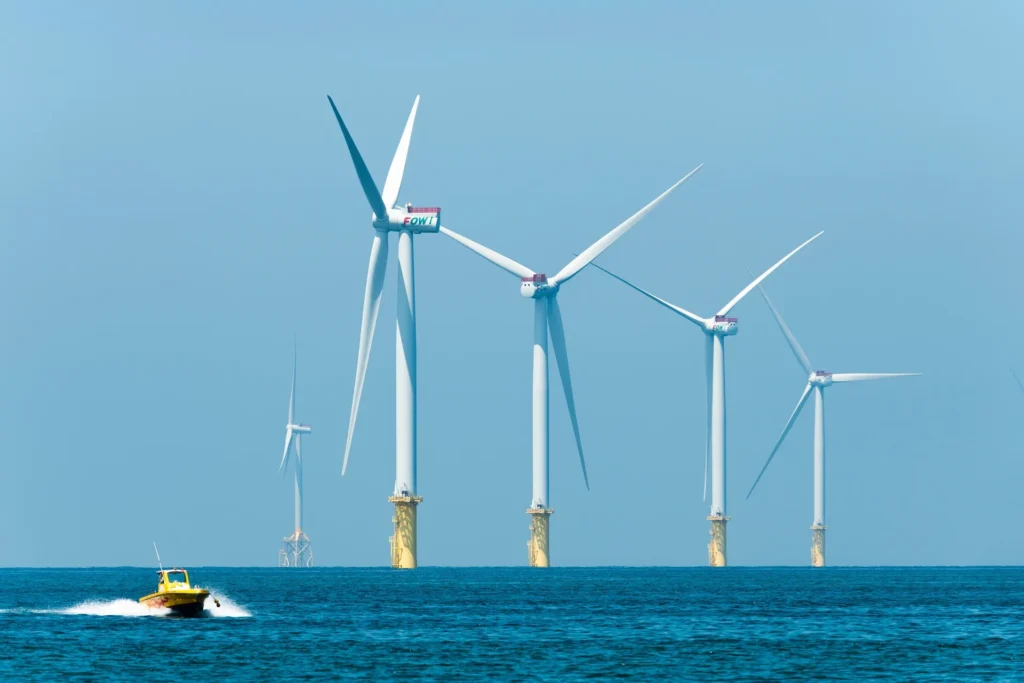
During the semester, offshore wind energy recorded the highest relative growth, increasing 23.1%, reaching 4,310 GWh, driven by the incorporation of new capacity and favorable performance of offshore wind farms.
Solar photovoltaic energy increased its production 4.8%, while onshore wind maintained moderate growth of 0.7%.
In contrast, hydroelectric generation decreased 9.4%, reflecting the high dependence of this technology on hydrological conditions and reservoir storage levels.
From an electrical systems engineering perspective, this behavior confirms that increasing installed capacity does not, by itself, guarantee a proportional increase in energy generated, as final performance depends on the available primary resource and the capacity factor of each technology.
Geographic Diversification Reduces Exposure to Operational Risk
The results also demonstrate the strategic value of operating an internationally distributed portfolio.
While Spain recorded a reduction of 4.9% in renewable generation and Brazil experienced a decline of 22.9%, other markets partially offset these decreases.
The United Kingdom increased its production 27.3%, driven by the expansion of onshore and offshore wind energy, while the United States increased 6.1% and other international markets recorded combined growth of 11.8%.
This geographic diversification allows reducing exposure to regional weather phenomena, hydrological variations, or seasonal differences that affect each electrical system unevenly.
Source: https://www.iberdrola.com/
Photo: Shutterstock