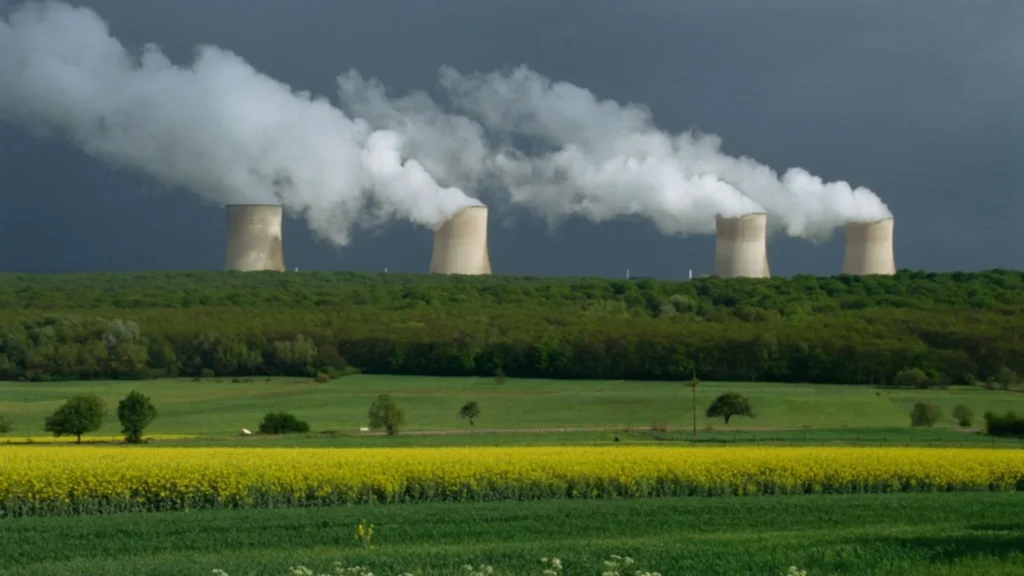
The project to reactivate the Palisades nuclear power plant has entered a new stage following Holtec International’s announcement regarding the completion of major recovery work at the facility. With this progress, the company is focusing its efforts on the testing, inspections, and operational readiness activities required before the reactor returns to generating electricity.
Thus, Palisades is emerging as one of the most significant projects for the U.S. nuclear industry because it seeks to return to operation a plant that had already begun its decommissioning process. If successful, it would open a new alternative for recovering emission-free power generation capacity without relying exclusively on the construction of new plants.
The Palisades plant enters a decisive stage
The Palisades reactor, located in Michigan, ceased operations in 2022 after decades of commercial service. Since then, Holtec International has worked on a technical recovery program that includes systems maintenance, inspections, equipment upgrades, and compliance with the regulatory requirements demanded for its return to operation.
The project now enters a phase focused on verifying equipment performance and ensuring that all safety conditions are ready before requesting final authorization for the restart.
This process represents a precedent for the nuclear industry because it demonstrates that certain retired plants could return to supplying electricity when favorable technical, regulatory, and economic conditions exist.
Reactor restarts gain prominence
The Palisades case coincides with a trend beginning to consolidate in the United States. Various electric companies are analyzing the possibility of extending the useful life of their nuclear assets or recovering retired facilities to respond to the growth in energy demand.
Among the best-known projects is the development driven by Constellation Energy to reactivate a unit in Pennsylvania through long-term power supply contracts. Similarly, NextEra Energy is working on alternatives to recover nuclear capacity in Iowa with the backing of large electricity consumers.
At the same time, California is keeping the Diablo Canyon plant operational through regulatory extensions that seek to preserve a stable source of power generation while the energy transition continues.
Higher electricity demand drives new investments
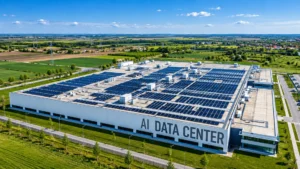
The growth of data centers, the expansion of artificial intelligence, and the industrial electrification process have increased interest in sources capable of supplying continuous power twenty-four hours a day.
In this scenario, nuclear energy is once again occupying a strategic position thanks to its capacity to generate electricity with low carbon emissions and offer stability to the electrical system.
The recovery of existing reactors can also reduce the time required to incorporate new capacity compared to the full development of a nuclear power plant from scratch.
Opportunities for the entire supply chain
The return of a nuclear plant to operation mobilizes companies specialized in engineering, maintenance, inspection, instrumentation, component manufacturing, and regulatory services.
Each stage requires suppliers with expertise in nuclear technology, creating opportunities for companies participating in the energy sector’s value chain.
Likewise, the success of initiatives like Palisades could incentivize new recovery projects for retired plants and strengthen investment in nuclear infrastructure in North America.
A new scenario for the industry
Although the construction of advanced reactors remains a priority for the future of the sector, the recovery of existing facilities appears as a shorter-term solution to increase power generation capacity.
If Palisades manages to return to operation, it will become a reference for future similar initiatives and will reinforce the role of nuclear energy as a key piece in meeting the growing demand for reliable, emission-free electricity in the United States.
Source: Canary Media
Photo: Shutterstock