Grain LNG will open space for new participants in the European liquefied natural gas market from 2029, when several existing contracts expire at the UK’s main LNG import terminal. The future availability of capacity could redefine access to critical storage and regasification infrastructure at a time when Europe continues to strengthen its energy security and diversify its supply sources.
Contract expirations open space for new users
The capacity that Grain LNG expects to offer from 2029 arises as a result of the expiration of several existing contracts at the terminal. This situation creates the possibility of bringing new participants into the market and redefining how a significant portion of the UK’s liquefied natural gas import infrastructure will be allocated.
With the aim of anticipating the sector’s future needs, the company has initiated consultations with traders, suppliers, and potential users to understand their requirements for access to the terminal. Options under consideration include allocating capacity to a single customer, distributing it among several participants, or creating shared arrangements that optimize the use of the facilities.
The potentially available capacity includes approximately 200,000 cubic meters of LNG storage and around 125 GWh per day of regasification capacity, equivalent to about 3 million tonnes per annum (MMtpa). The information gathered during this phase will be used to determine whether the company proceeds to a formal allocation process and what the most appropriate commercial structure will be for the future offering.
The terminal will offer storage and regasification from 2029
The available infrastructure not only includes access to storage tanks, but also rights associated with berthing LNG carriers and processing LNG for injection into the gas grid.
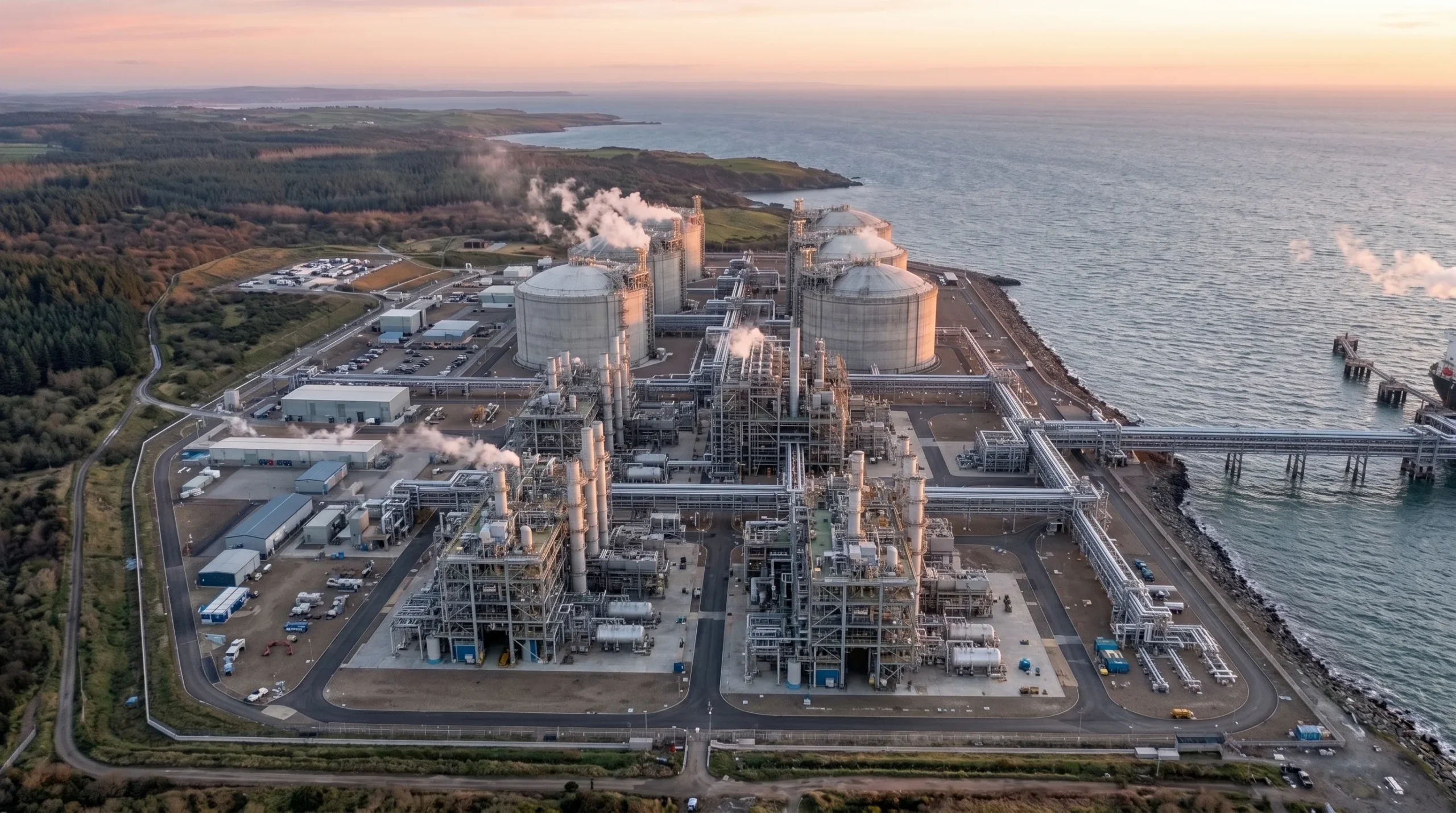
The combination of storage, unloading, and regasification makes Grain LNG one of the UK’s most significant energy assets. Its strategic location enables it to receive cargoes from multiple exporting regions and ensure the operational flexibility needed to respond to demand fluctuations or disruptions in other supply corridors.
The future availability of this capacity coincides with a period in which Europe continues to redefine its strategies for energy supply and diversification of gas sources.
The UK strengthens its flexibility to import LNG
In recent years, LNG terminals have become increasingly important within the European energy system. The need to secure diversified sources of supply has driven investment in import infrastructure, storage and transport, strengthening the role of facilities capable of connecting global markets with regional consumers.
In this context, Grain LNG has established itself as one of the main gateways for liquefied natural gas arriving in the UK. The future availability of capacity creates opportunities for new market participants and strengthens the country’s ability to adapt to changing supply and demand scenarios.
The operational flexibility offered by these types of terminals is particularly relevant in an environment where energy security continues to be a strategic priority for governments and companies.
What does this capacity mean for the European gas market?
The release of capacity at Grain LNG represents far more than a simple contract renewal. The measure will make it possible to redefine who will have access to one of Europe’s most important gas import infrastructures over the next decade.
For international traders, LNG producers, and large industrial consumers, securing storage and regasification capacity at strategic facilities can become a determining factor in ensuring stable access to the European market. At the same time, the initiative provides an early signal of how competition for energy infrastructure will evolve in the coming years.
As Europe continues to strengthen its liquefied natural gas supply network, decisions such as the one adopted by Grain LNG are emerging as key elements in maintaining the resilience of the regional energy system and facilitating the integration of new trade flows from global markets.
Source: Pipeline & Gas Journal