Table of Contents
The world’s most critical chokepoint comes to a halt
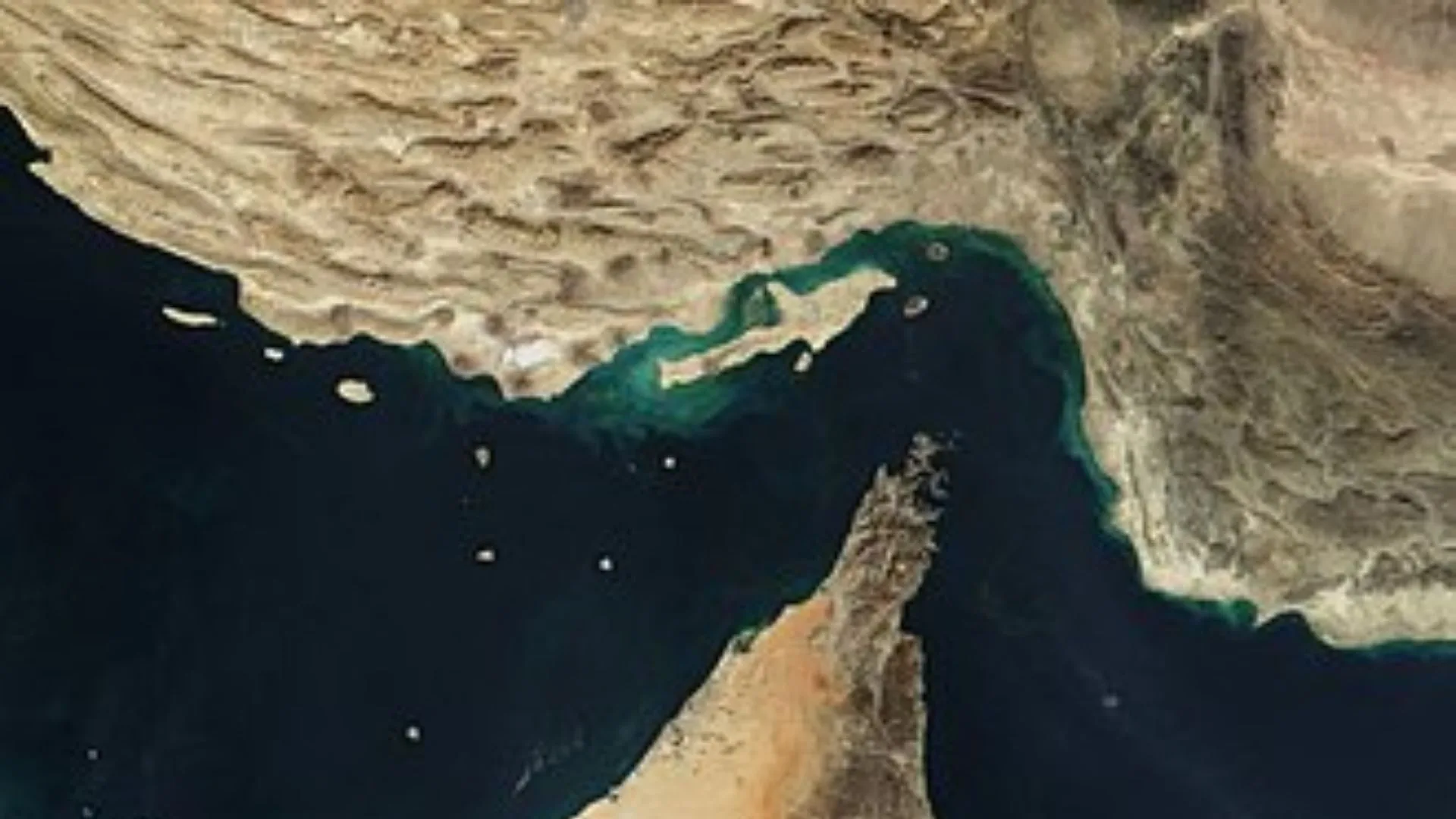
The Strait of Hormuz, considered the planet’s most important energy artery, is facing an almost total shutdown of its maritime traffic, disrupting the flow of approximately 20% of global oil and gas.
According to reports confirmed by Reuters, vessel traffic has fallen to historic lows in recent hours, causing an immediate disruption to the global energy supply chain.
A physical crisis that surpasses any recent precedent
The International Energy Agency has described this event as the largest energy crisis in modern history, surpassing the shocks of 1973, 1979, and 2022.
Unlike previous episodes, the current impact is not solely financial or speculative. It is a direct disruption of energy flows, with immediate consequences for the physical availability of oil in global markets.
Scale of the impact in figures
The magnitude of the event confirms its critical nature:
- Up to 20% of global supply compromised
- Estimated loss of ~10 million barrels per day (MMbpd)
- More than 13 MMbpd in exports affected
- Sharp reduction in maritime traffic
This level of disruption positions the event as one of the most severe in the history of the energy system.
Immediate global impact and market reconfiguration
The Hormuz blockade is generating immediate and uneven effects:
- Europe: pressure on diesel and aviation fuels
- Asia (India and China): increased competition for cargoes
- Global market: redistribution of flows and high volatility
The energy system is entering a phase of accelerated adjustment under conditions of structural uncertainty.
Operational implications across the entire energy value chain
Upstream:
Pressure increases to raise production in the U.S. and other markets.
Midstream:
Route congestion, higher logistics costs, and increased insurance premiums.
Downstream:
Elevated margins, but with the risk of shortages of suitable crude.
Energy market:
Structural volatility in international prices.
A turning point for the global energy system
The global energy system has reached a critical point.
Stability no longer depends solely on installed capacity, but on the security of the routes that enable energy flows. The combination of disruptions, geopolitical tensions, and logistical constraints creates a highly vulnerable scenario.