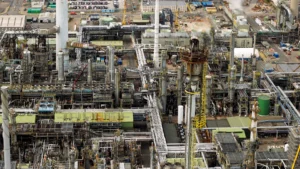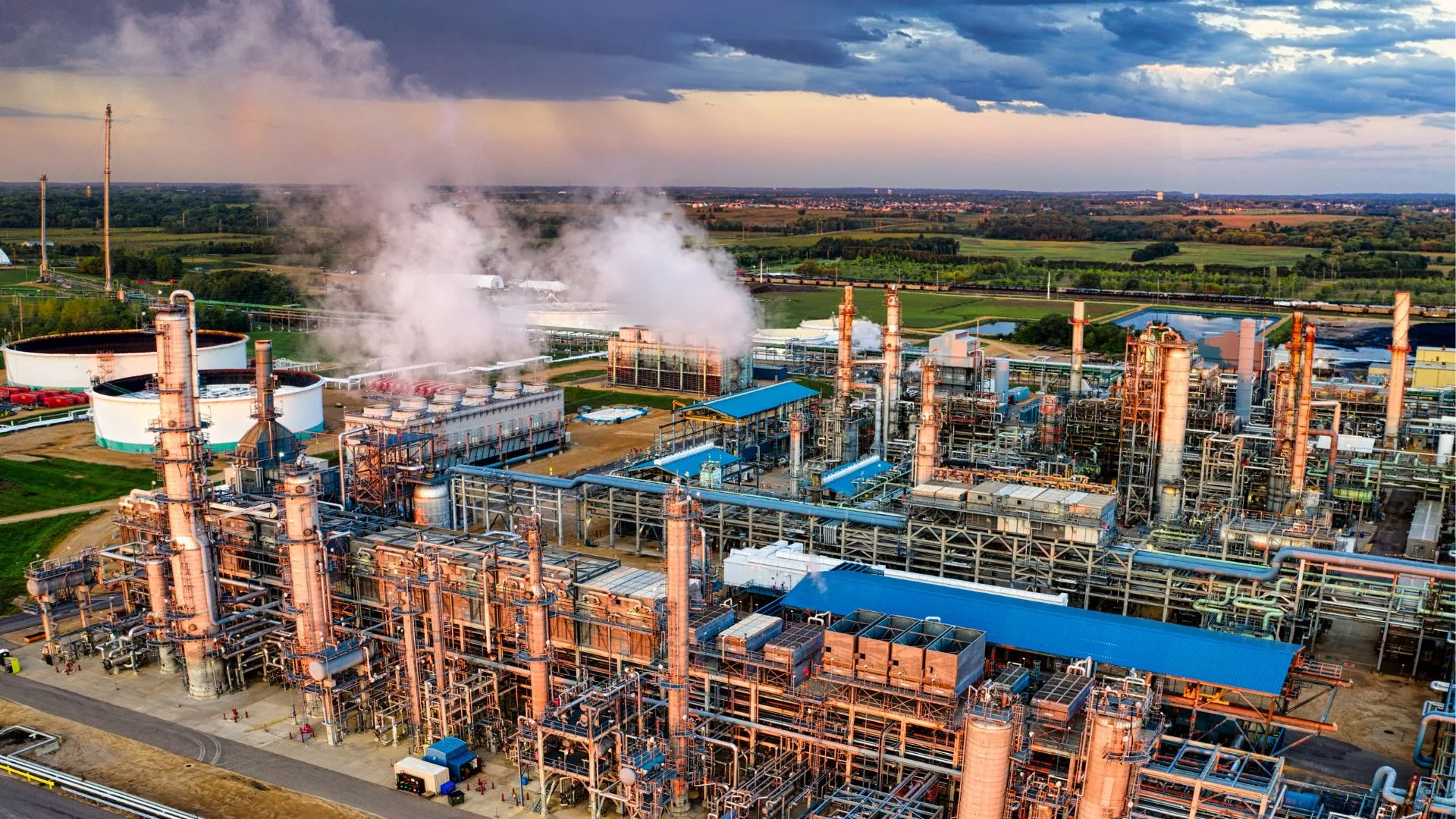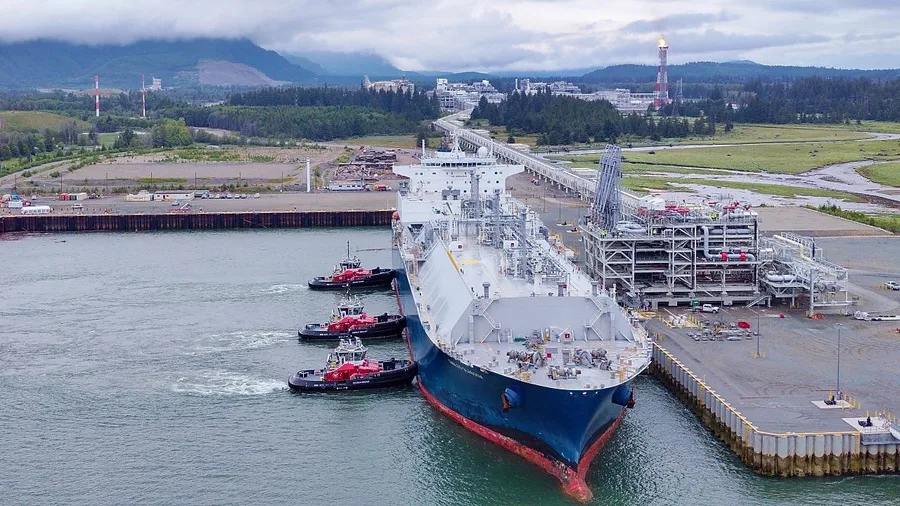
LNG Canada partners approved the final investment decision (FID) for Phase 2 of the liquefied natural gas export terminal in Kitimat, British Columbia. The expansion will incorporate two new liquefaction trains, increasing the complex’s total capacity from 14 to 28 million tonnes per annum, with commercial operations anticipated for the early 2030s.
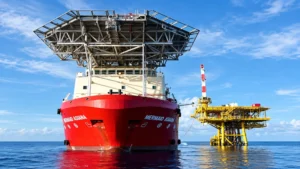
The expansion is not limited to process equipment. The project includes a new LNG storage tank, another condensate tank, a second loading dock, and the expansion of auxiliary and process utility systems. LNG Canada was designed from its first phase with a potential expansion to four trains in mind, allowing it to leverage some existing infrastructure.
Engineering, procurement, fabrication, construction, and commissioning will be carried out by the JGC Fluor BC LNG II JV partnership, formed equally by Fluor Canada and JGC Constructors. The same group participated in the construction of Phase 1, which began LNG production in 2025.
LNG Canada: Pipeline Must Also Double Capacity
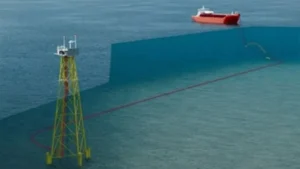
Here lies one of the most important aspects of the decision. To produce an additional 14 Mtpa of LNG, it’s not enough to install more liquefaction capacity; sufficient natural gas must also reach Kitimat. Therefore, Coastal GasLink will expand its 670-kilometer pipeline capacity through five new compression stations and modifications along the system.
The pipeline connects the producing regions of Western Canada with the Kitimat terminal. From a process engineering perspective, this makes Phase 2 an expansion of an integrated energy chain, where the nominal capacity of the trains can only be realized if the transportation system maintains sufficient pressure, flow, and availability to continuously feed the liquefaction units.
The experience from Phase 1 is relevant because the initial infrastructure was conceived to support a four-train configuration. This reduces the need to reproduce certain common systems from scratch, although the expansion requires new process, storage, compression, and loading facilities.
An Expansion Designed Around Existing Infrastructure
The project’s architecture shows a significant difference between installed capacity and effective export capacity. A terminal may have new liquefaction trains, but its commercial production also depends on sufficient storage, dock availability, auxiliary systems, gas supply, and logistical capacity to offload the product.
In Kitimat, Phase 2 incorporates precisely these elements. The new LNG tank provides additional storage capacity, and the second dock expands vessel loading capacity. Auxiliary and process systems must also grow to accommodate the increase in production.
The decision also represents a large-scale investment. Reuters estimates the expansion’s value at approximately C$33 billion, while Fluor had previously announced that its contractual participation associated with the project would reach about US$7.5 billion. This magnitude explains why long-lead engineering and equipment preparation began before the final FID.
From 14 to 28 Mtpa Changes System Scale
Shell owns 40% of LNG Canada and expects to receive approximately 6 Mtpa of additional LNG as a result of the expansion. The remaining partners are PETRONAS, PetroChina, Mitsubishi Corporation, and KOGAS. The additional production will allow a greater quantity of Canadian gas to connect with international LNG markets.
The project also confirms a technical characteristic of large LNG terminals: capacity expansion does not occur at a single point in the chain. Increasing the number of trains simultaneously requires reviewing feed, compression, processing, storage, industrial utilities, and marine transfer. Any restriction in one of these subsystems can limit the utilization of the entire plant.
SOURCE: https://hmt-news.com
PHOTO: Shell