The partnership with Zululand Energy Terminal drives the development of strategic infrastructure to ensure natural gas supply and strengthen the country’s energy security.
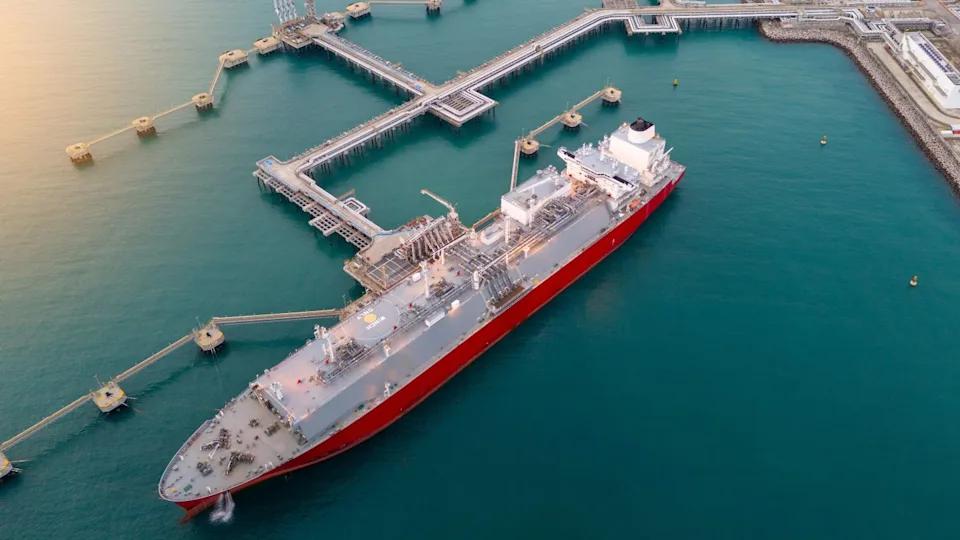
Zululand Energy Terminal (ZET) signed a Heads of Agreement (HoA) with ExxonMobil South Africa LNG Ltd, a subsidiary of the energy multinational ExxonMobil, to advance the development of South Africa’s first liquefied natural gas (LNG) import terminal, located at the Port of Richards Bay.
The agreement represents significant international backing for the project and reflects the growing interest of the global market in participating in LNG supply to the African country, which faces increasing challenges in ensuring its long-term energy supply.
Richards Bay is emerging as an LNG gateway
The future terminal will enable the import, storage, regasification, and distribution of LNG for both power generation and industrial users. Its development will position the Port of Richards Bay as a strategic entry point for liquefied natural gas into the South African market.
Oliver Naidu, Director of Zululand Energy Terminal, highlighted that ExxonMobil’s participation strengthens the project’s viability and strategic relevance.
“This agreement represents more than a commercial milestone; it is a clear vote of confidence in Zululand Energy Terminal and in the future of LNG in South Africa. The involvement of a global energy leader like ExxonMobil reinforces the strategic importance of Richards Bay as an entry point for LNG,” Naidu stated.
South Africa seeks new sources of gas supply
The project is particularly relevant given forecasts of a significant gas shortage in South Africa by 2030. The gradual decline in production from the Pande and Temane fields, located in Mozambique, threatens to significantly reduce gas availability for power generation and industrial activities.
This situation could affect strategic sectors of the economy, increase risks to electricity supply, and limit the country’s industrial growth, which has accelerated the search for new energy supply alternatives.
Michelle Phillips, Chief Executive Officer of the Transnet Group, noted that the development of gas infrastructure is essential to strengthen South Africa’s industrial competitiveness.
LNG gains prominence in the energy transition
Once operational, the terminal will help diversify South Africa’s energy mix by providing access to the global LNG market. In addition to strengthening energy security, the project aims to foster the development of a more competitive domestic gas market and facilitate a balanced energy transition alongside the expansion of renewable energy.
Andrew Barry, President of ExxonMobil LNG Market Development Inc., highlighted that the company will contribute its global expertise in liquefied natural gas supply to support the country’s energy growth.
“This agreement reflects ExxonMobil’s global LNG expertise and our commitment to support South Africa’s energy security with a reliable supply. We see a great opportunity to help meet the growing demand for secure energy,” Barry stated.
Source and photo: https://www.zululandenergyterminal.co.za/