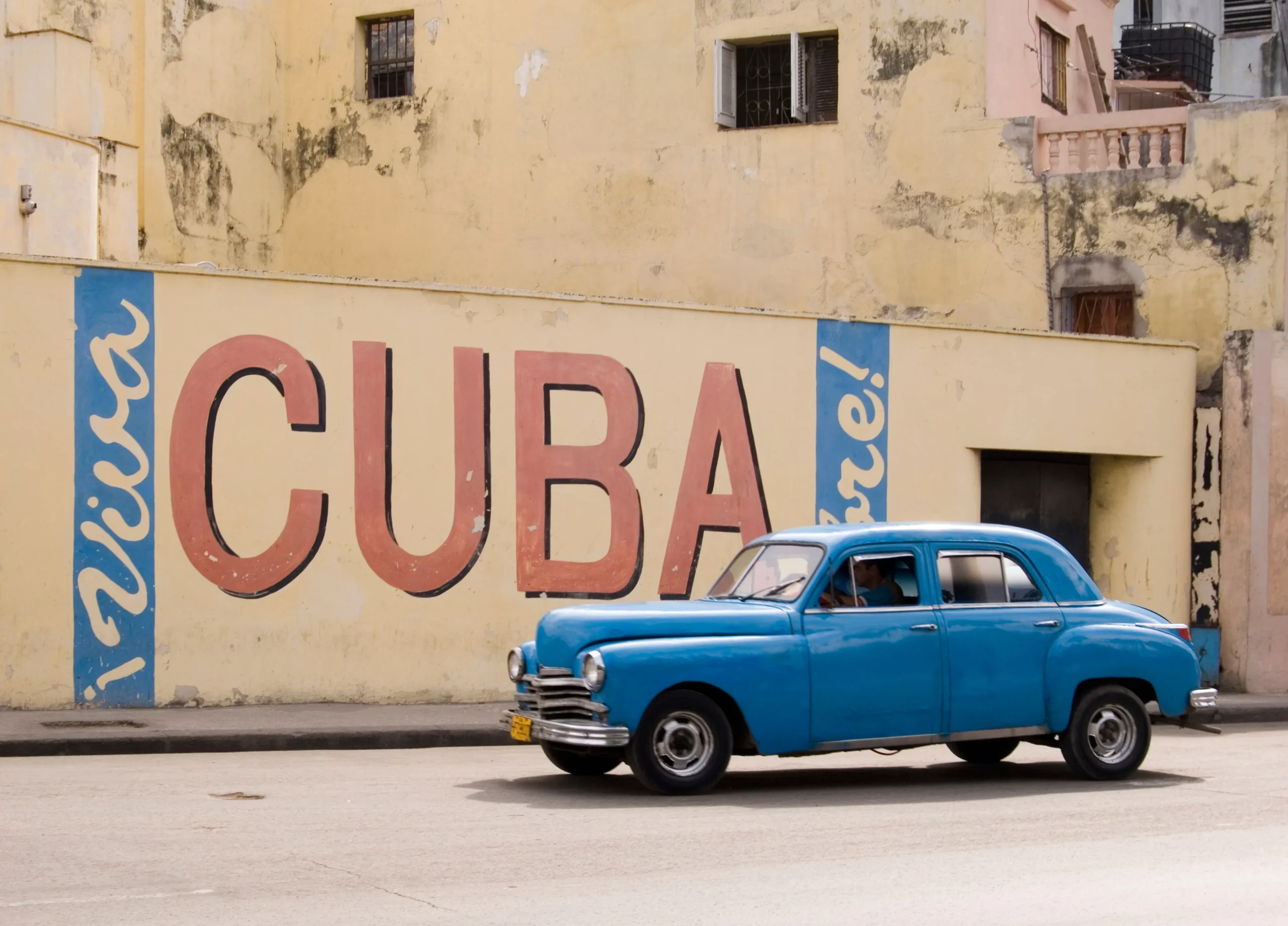
The energy crisis in Cuba reached one of its most critical moments after the Minister of Energy and Mines, Vicente de la O Levy confirmed that the island no longer has enough diesel or fuel oil to sustain the national electrical grid. The situation has led to massive blackouts, protests in Havana, and escalating political tensions between Cuba and the United States.
Cuba admits it ran out of fuel
In statements released by state media, Vicente de la O Levy asserted that the country faces a “critical” scenario due to a total shortage of liquid fuels. He also acknowledged that Cuba’s energy infrastructure is under extreme pressure caused by the reduction of oil imports and the financial limitations affecting the island.
The diesel shortage is directly impacting thermoelectric power plants and the backup systems that support much of the national electricity grid. As a result, several regions of the country are experiencing power outages of up to 20 and 22 hours a day.
The power outages are affecting hospitals, schools, and tourism.
The energy crisis in Cuba is already impacting essential sectors of the economy and public services. Hospitals have reduced operations due to the lack of stable electricity and fuel for backup generators, while schools and government offices have suspended activities in various areas as authorities attempt to prioritize the energy supply.
Tourism, one of the country’s main economic drivers, is also facing difficulties. Hotels, restaurants, and related services are operating under power restrictions that are affecting the experience of international visitors.
Furthermore, fuel shortages limit public transportation and the distribution of goods, exacerbating shortages and domestic inflation.
Venezuela and Mexico reduce oil shipments
Cuba has historically relied on Venezuela and Mexico to fuel its refining and power generation systems. However, both countries have significantly reduced shipments of crude oil and refined products amid geopolitical pressures, financial difficulties, and threats of tariffs announced by President Donald Trump against nations that trade fuel with Havana.
The drop in supply has left the Cuban government with less room to maneuver in maintaining the operation of thermoelectric power plants and meeting domestic demand. Likewise, the country is facing difficulties accessing international loans to finance new oil purchases.
The United States insists on offering humanitarian aid.
Amid diplomatic tension, the United States reiterated an offer of humanitarian aid valued at $100 million. The State Department assured that the aid could be distributed through humanitarian organizations and the Catholic Church.
However, Washington is conditioning some of that cooperation on political and economic reforms within the Cuban system. Meanwhile, the energy crisis in Cuba continues to worsen the living conditions of millions of people across the island.
Source: BBC