WhiteWater expands its gas pipeline system with a new connection
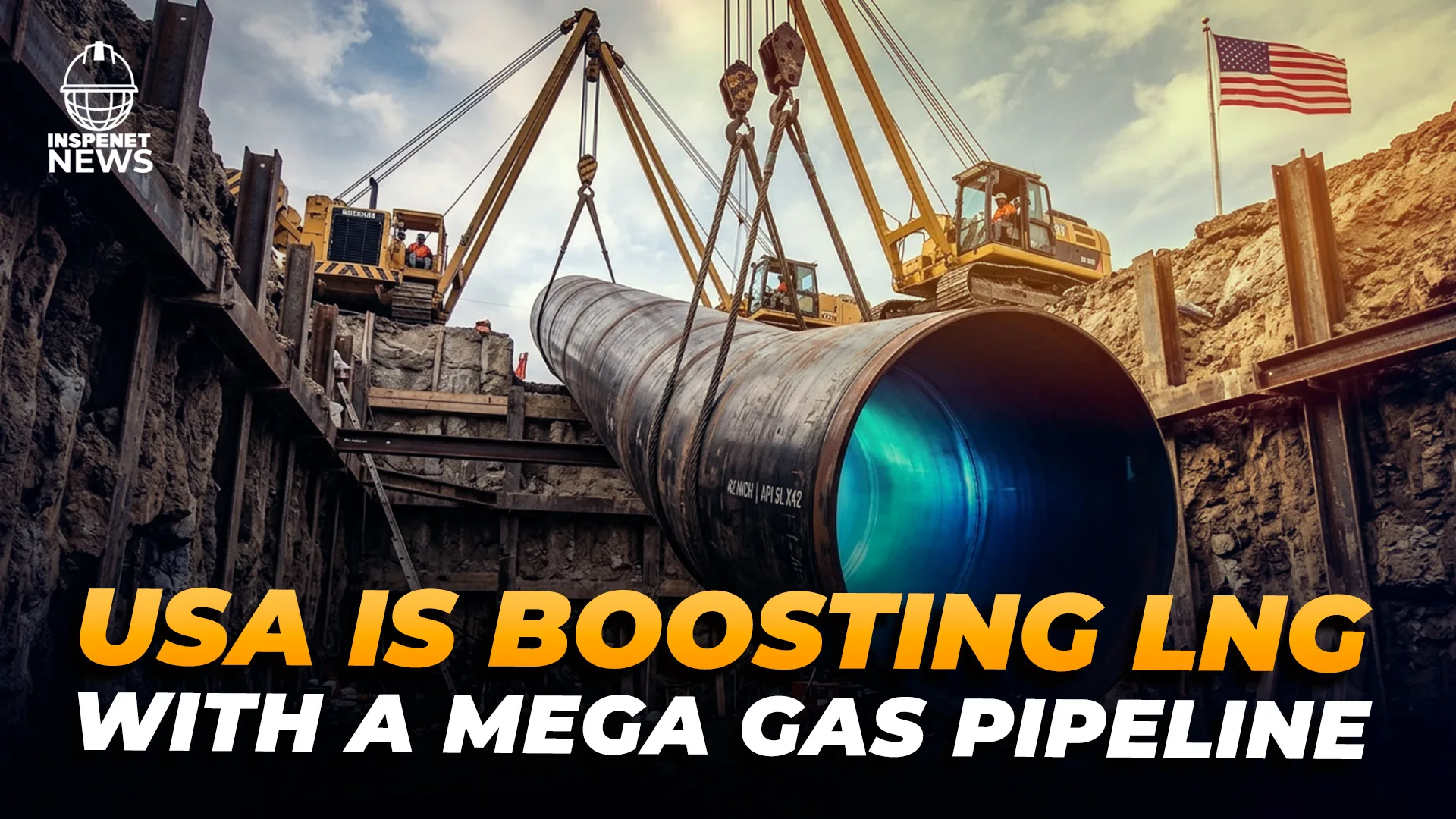
WhiteWater also announced the expansion of its Pelican gas pipeline system with the construction of the Pelican Thrasher branch in Louisiana. The new infrastructure will supply natural gas to the Commonwealth LNG liquefaction and export facility located in Cameron Parish.
The initiative is part of the company's growth strategy within the US Gulf Coast, a region that concentrates some of the main projects linked to the export of LNG to international markets.
What will the new Pelican Thrasher branch line be like?
Specifically, the project involves the installation of approximately 65 miles of 42-inch diameter pipeline. The route will originate in the Gillis area, located in Beauregard Parish, and extend to the Commonwealth LNG facility.
In addition, the new pipeline will have the capacity to transport up to 2.5 billion cubic feet of natural gas per day. According to the planned schedule, it is slated to become operational in the first half of 2029.
This expansion will strengthen the existing gas pipeline network and create a new supply route for a facility that will be geared towards the processing and shipping of liquefied natural gas .
Commonwealth LNG ensures long-term gas supply
Furthermore, the addition of the Pelican Thrasher branch line represents an important step for Commonwealth LNG, as it guarantees access to significant volumes of natural gas needed for its future liquefaction operations.
The project will help connect gas production from various US basins to a terminal designed to meet the growing international demand for LNG exports . This connection is especially relevant in a context where energy markets continue to seek competitive and diversified sources of supply.
Investors back infrastructure expansion
Similarly, the project's development is supported by several of WhiteWater's financial partners. These include FIC Partners Management, Stonepeak, and Trace Capital Management, firms specializing in investments related to energy infrastructure and strategic assets.
FIC focuses its operations on critical assets related to gas transportation, energy, utilities, renewable energy, and telecommunications. Stonepeak manages approximately $88 billion in assets and maintains global investments in sectors such as energy, digital infrastructure, transportation, and real estate.
Meanwhile, Trace Capital Management manages approximately $1.9 billion in assets focused on oil and gas exploration, production, and transportation within North America.
Louisiana strengthens its position in LNG exports
Finally, the expansion of the Pelican pipeline system reinforces Louisiana's position as one of the leading energy hubs in the United States. The combination of new liquefaction terminals and gas transportation projects continues to attract investment aimed at increasing LNG export capacity.
As these types of developments progress, the region consolidates its relevance within energy supply chains and expands marketing options for natural gas producers and consumers in different international markets.
News of additional interest
Oklahoma revives refining with multimillion-dollar investment
Construction has begun on a new Green Fuels Operating refinery in Duncan, Oklahoma, a $400 million project that aims to bring industrial activity back to a historic refining complex that has been closed since 1983. The facility will have an initial capacity of 30,000 barrels per day, with the possibility of expanding to 50,000 barrels, and will produce fuels such as gasoline, diesel, kerosene, aviation fuel, and asphalt.
The plant will operate continuously year-round and will generate between 75 and 80 permanent jobs, in addition to hundreds of indirect jobs in related sectors. The project will be developed on land that underwent extensive environmental remediation and was recently cleared for new industrial development. The company also highlighted the use of processing technologies designed to reduce emissions and improve operational efficiency.
BP brings on Asian partner in LNG megaproject
BP has agreed to sell a 5% stake in the Browse liquefied natural gas project in Western Australia to South Korean company GS Energy. Following the transaction, the British energy company will retain a 39.33% stake in the Woodside-led development, which aims to exploit the country's largest undeveloped gas field and supply the North West Shelf export infrastructure.
The transaction follows recent equity changes within the project, including interest from new international participants. Although Browse continues to face regulatory and commercial challenges, the companies involved remain committed to the development due to its potential to supply gas to both the Australian market and customers in the Asia-Pacific region. Closing the deal is still subject to regulatory approvals and approval from the joint venture partners.
CB&I will build tanks for a new LNG terminal in the US.
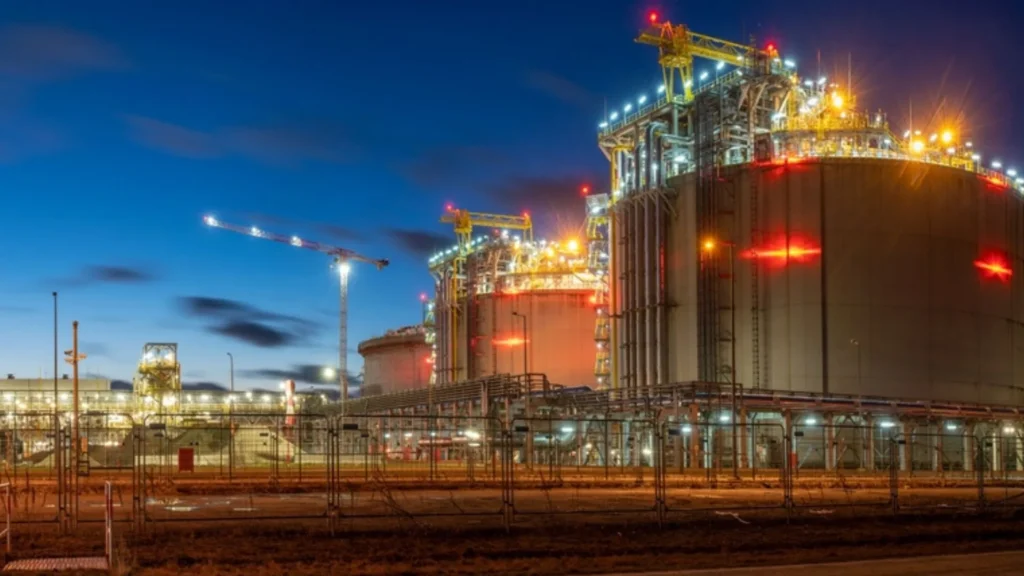
CB&I has been awarded a contract to design and build five liquefied natural gas (LNG) storage tanks for the Commonwealth LNG project, a future export terminal located in Cameron, Louisiana. The agreement, awarded by Technip Energies on behalf of Caturus, calls for full containment tanks with a capacity of 50,000 cubic meters each to support a facility with an export capacity of 9.5 million tons per year.
The scope of the contract includes engineering, procurement, manufacturing, construction, and commissioning of the facilities, as well as work related to foundations, piping, and platforms associated with the tanks. Construction is scheduled to begin during the third quarter of 2026, and the mechanical installations are expected to be completed in 2029. According to the company, the contract value falls within its category of significant projects, which ranges from $250 million to $500 million.
ExxonMobil brings Haimara closer to the development phase
ExxonMobil has submitted an application to Guyana's Environmental Protection Agency (EPA) to develop the Haimara gas-condensate discovery , located in the Stabroek Block. If the necessary permits are granted, the project would become the consortium's ninth development in this prolific offshore area. However, prior to any approval, the environmental authority required a full environmental impact assessment due to the scale and anticipated duration of operations.
Haimara is part of a broader strategy focused on the gas potential of the southeastern Stabroek block. The development includes drilling new wells, subsea infrastructure, and installing a floating production unit. In addition, the company is exploring options for transporting gas to the Berbice region, where the government is seeking to establish a new industrial development hub based on local energy resources.