OECD EIA oil inventories will fall below 2,300 million barrels by December 2026, a multi-decade low, according to the June Short-Term Energy Outlook. This projection coincides with a production loss of approximately 11 million bpd in the Middle East and Brent crude priced by the agency at US$105/bbl for June–July.
EIA oil inventories project historic decline
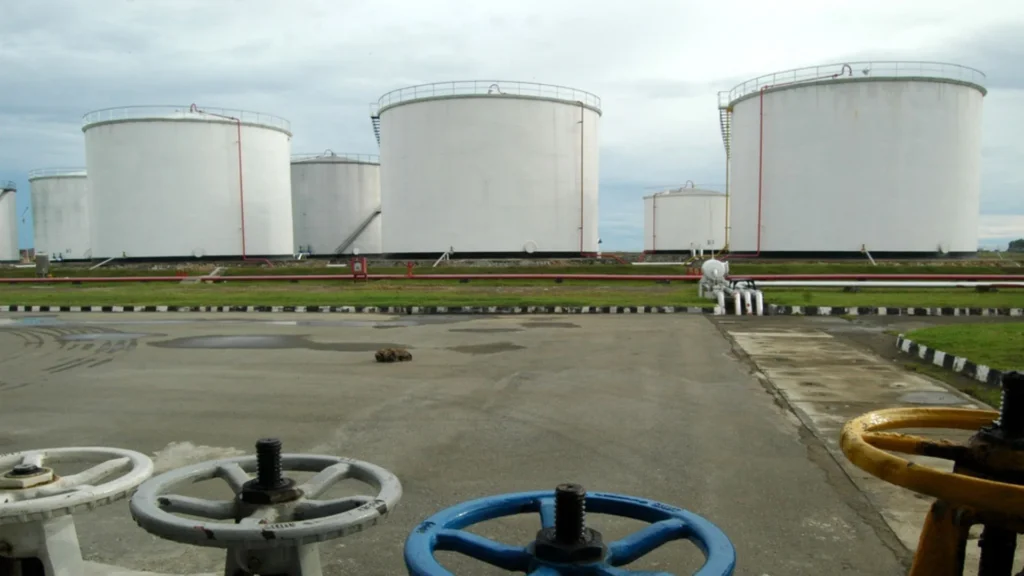
The EIA’s monthly report published on June 10 states that OECD EIA oil inventories will decrease to 2,287 million barrels by year-end, the lowest level since the agency began collecting data in the 1980s. This figure represents a reduction of 320 million barrels compared to the average of the last five years.
EIA oil inventories reflect transit restrictions in Hormuz, OPEC+ cuts, and demand exceeding supply by approximately 1.8 million bpd in the second quarter.
Middle East production loss reaches 11 million bpd
The EIA estimates that disruptions stemming from the conflict in Hormuz reduced effectively delivered production in international markets by approximately 11 million bpd during the most critical weeks. Iran accounts for 3.2 million bpd of directly affected production, while logistical delays in Kuwait, Iraq, and the Emirates explain the remainder.
“A disruption of this magnitude is unprecedented in the post-pandemic period. Cushioning mechanisms—strategic reserves and commercial inventories—are being consumed at a rate that demands immediate attention,” warned EIA Acting Administrator Linda Capuano when presenting the report.
EIA oil inventories include strategic reserves mobilized by the International Energy Agency: the U.S., Japan, and Germany released a total of 120 million barrels since January, but the rate of depletion continues to outpace releases.
Brent projected at US$105/bbl for the northern summer
The EIA revised its Brent projection for June–July upwards to US$105/bbl, from US$94/bbl in the May outlook. WTI would be around US$101/bbl, with a US$4/bbl premium reflecting European crude’s greater exposure to the Gulf disruption.
The U.S. Strategic Petroleum Reserve stands at 347 million barrels, its lowest level since 1983, limiting the capacity for intervention in the event of any further deterioration of EIA oil inventories.
This scenario connects with the proposed Iranian tariffs in the Strait of Hormuz, which, if implemented, would add between US$3 and US$5/bbl to the transport cost of any cargo originating in the Persian Gulf.
First annual demand drop since COVID
The same report contains a counter-cyclical projection: the EIA anticipates that global oil demand will register its first annual decline since 2020, with a decrease of 0.4 million bpd in the 2026 average compared to 2025. The slowdown in China and the penetration of electric vehicles explain the reduction.
“We have EIA oil inventories at historic lows with demand undergoing structural contraction. This can only be explained by supply having fallen faster than demand,” commented BNP Paribas’ chief energy analyst in a note dated June 10, 2026.
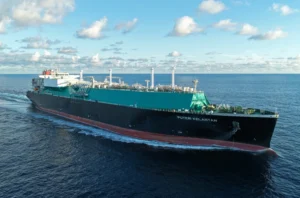
The exports of Qatar LNG after the Hormuz crisis illustrate how even geographically well-positioned producers face additional costs when EIA oil inventories fall to levels that justify scarcity premiums across all fuels. Qatar reported that its Chinese buyers are demanding spot discounts due to logistical uncertainty.
Sources