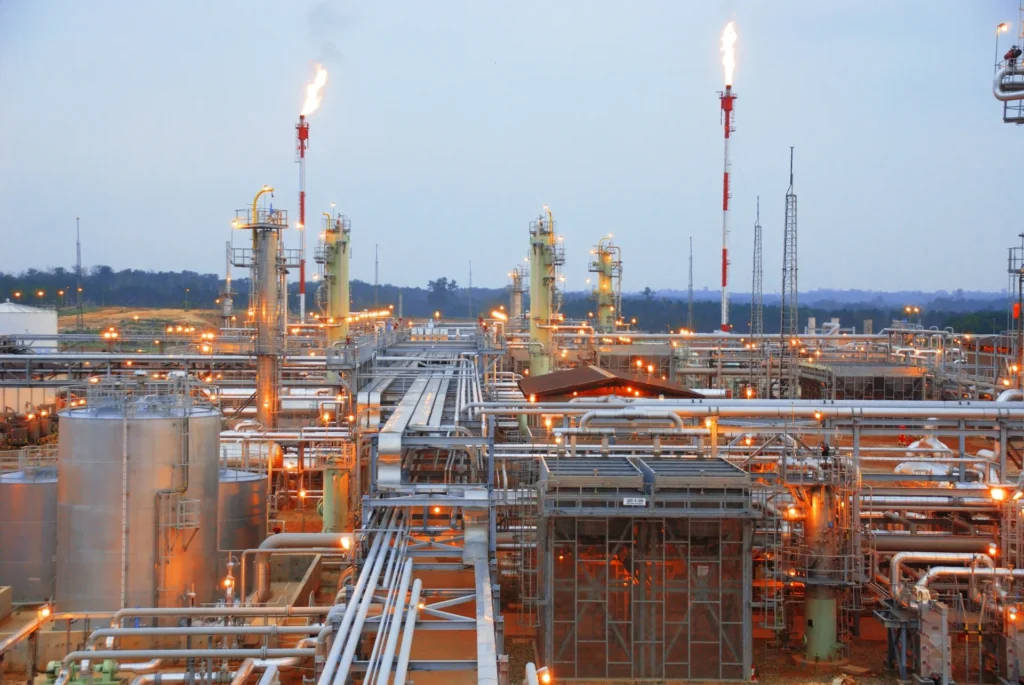
Phase 1 of Energía Costa Azul LNG, developed by Sempra Infrastructure in Ensenada, Mexico, is showing signs of start-up following the detection of gas flaring in the plant’s processing area.
Wood Mackenzie’s satellite monitoring identified flaring activity on May 24, 2026 at the facility, considered an early sign of gas being introduced into the complex’s systems. This milestone marks a significant step forward for the first liquefied natural gas export project on Mexico’s Pacific coast.
Gas flaring signals operational progress
The detection of gas flaring is often associated with the early stages of the commissioning process, when gas is introduced into the plant’s systems to begin checks, tests, and operational adjustments.
Energía Costa Azul LNG Phase 1 will have a capacity of 3.25 million tonnes per year of LNG. The project consists of adding liquefaction capabilities to the existing receiving, storage, and regasification terminal located north of Ensenada, in Baja California.
According to Sempra Infrastructure, the development aims to provide access to U.S. natural gas from North America’s Pacific coast to markets in Asia and the Pacific Basin.
First cargo could shift to the third quarter
Although the progress confirms start-up activity, Wood Mackenzie considers achieving first liquefaction during the second quarter of 2026 to be ambitious.
After the initial introduction of gas, liquefaction plants must complete sequential stages such as adding fuel gas, processing feed gas, and cooling the cryogenic system. These processes typically extend over several months.
For this reason, Costa Azul’s first LNG cargo could shift to the third quarter of 2026, depending on the pace of testing, system performance, and the evolution of the start-up process.
Gas flows increase from Rosarito
Pipeline flow data also support early start-up activity. Since April 20, ECA Phase 1 has progressively increased gas intake from the Rosarito Pipeline, reaching nearly 100 MMcf/d as of May 20, 2026.
This increase has contributed to a rebound in cross-border gas flows, with exports from California to Mexico averaging approximately 0.48 Bcf/d, the highest level recorded for a May.
The project also has authorization from the U.S. Department of Energy to export LNG produced with U.S.-sourced gas. In March 2026, the agency granted ECA Liquefaction additional time to begin exports to non-free-trade-agreement countries.
Impact on the global LNG market
The start-up of Costa Azul LNG is being closely watched by the market, as new liquefaction supply is gaining importance in a tight global environment.
Wood Mackenzie warned that any delay in start-up could affect short-term LNG supply prospects, especially amid sensitivity to supply disruptions and limited additions of new capacity during the second half of 2026.
Once operational, Phase 1 of Energía Costa Azul LNG will strengthen Mexico’s position as an LNG export platform and expand supply options from North America to international markets.
Source: https://www.woodmac.com/
Photo: Shutterstock