Table of Contents
CIP acquired 100 % of Windlab Back to the Dead a hybrid renewable energy project located in northern Queensland, Australia. Copenhagen Infrastructure Partners will thus incorporate an onshore wind farm of 408 MW and a battery energy storage system (BESS) of 104 MW with network-building capabilities. The transaction was carried out through Copenhagen Infrastructure V (CI V), CIP’s fifth flagship fund. The project reached financial close and entered the construction phase with the goal of being fully operational by 2030.
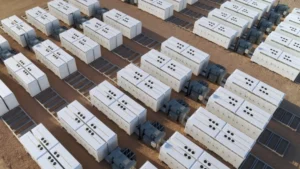
CIP will develop Gawara Baya with 408 MW of wind power and a BESS of 104 MW
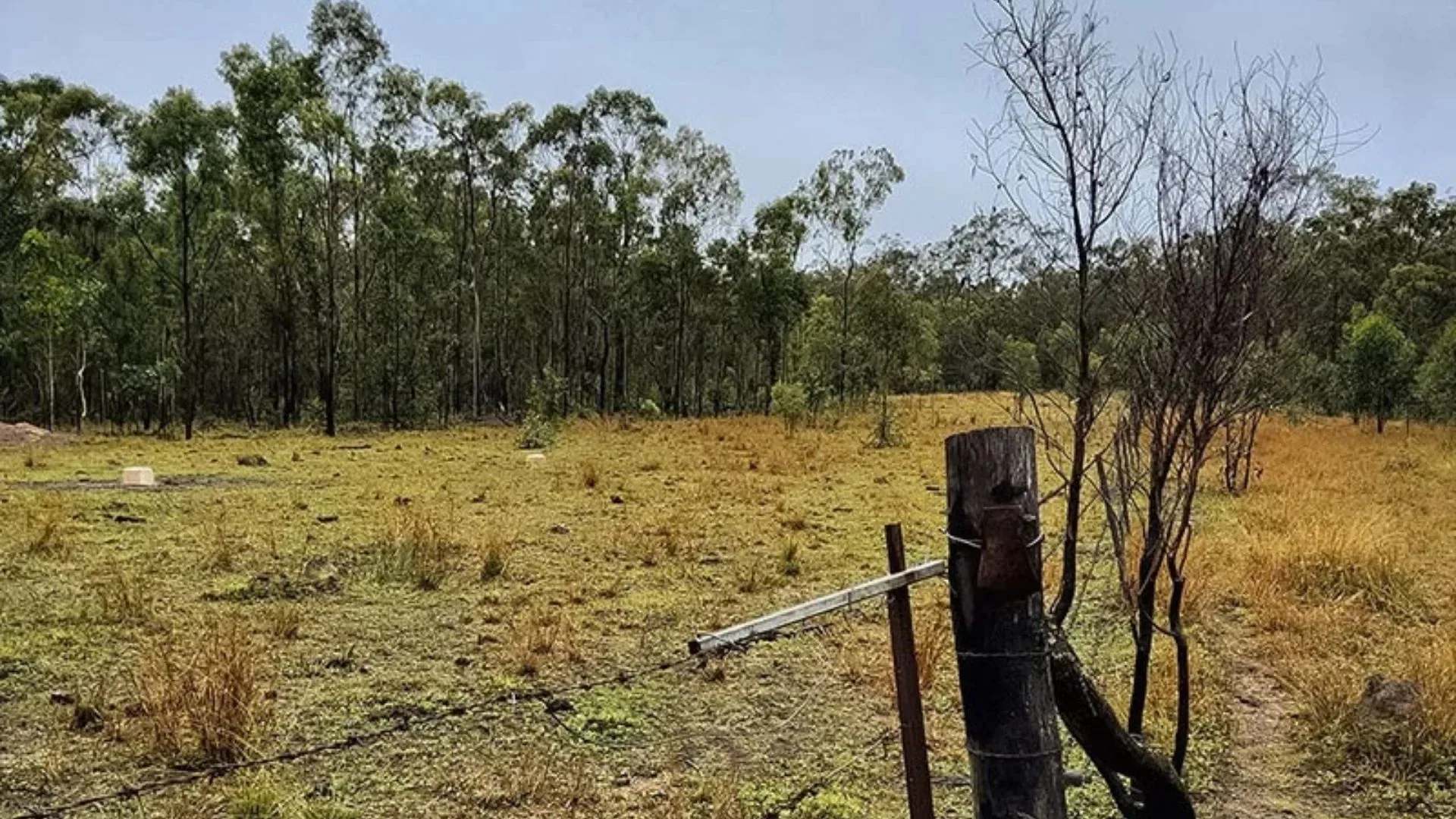
Specifically, Gawara Baya will be located approximately 65 kilometers southwest of Ingham, in the territory of the Gugu Badhun people. The park will feature 68 wind turbines which will add 408 MW of installed capacity. This infrastructure will be further enhanced with 104 MW BESS equipped with grid-forming technology this battery storage system will have grid-forming capabilities, a key feature for contributing to the stability of the electrical grid in the face of increasing renewable energy generation. According to project forecasts, Gawara Baya will be able to generate renewable electricity equivalent to the consumption of up to 240,000 Australian households furthermore, it is estimated that it will prevent approximately 1.2 million tons of carbon emissions per year in Australia’s energy sector.
Gawara Baya secures financing and energy contracts
Furthermore, Gawara Baya has obtained its main authorizations and CI V has made the final investment decision. The financial close includes a facility of 1.7 billion Australian dollars backed by ten banks. The project has also secured long-term power purchase agreements with Stanwell queensland’s state-owned power generator and SmartestEnergy, a British company in the energy and technology sector.
Gawara Baya also participates in the Capacity Investment Scheme (CIS) from the Australian Government, the program provides long-term income support for eligible projects of energy generation and storage this combination of financing, supply agreements, and participation in the Australian scheme provides greater certainty about the complex’s future revenues as construction progresses.
The construction will generate up to 500 jobs in Queensland
Furthermore, the construction of Gawara Baya is expected to mobilize more than 200 million Australian dollars in the regional economy through employment, local hiring, and the participation of companies in the supply chain. The development could generate up to 500 direct and indirect jobs in Queensland. This will be supplemented by a Community Benefits Fund of 200,000 Australian dollars annually intended for initiatives in the Hinchinbrook and Charters Towers local government areas. The project has been developed through an Indigenous land use agreement with the people Gugu Badhun this model includes the protection of cultural heritage, environmental management, and the economic participation of traditional landowners linked to the territory.
Gawara Baya incorporates a biodiversity strategy
In environmental matters, Gawara Baya incorporates a voluntary strategy aimed at achieving a net gain of biodiversity during the project’s lifespan. The initiative is backed by an initial investment of 4 million Australian dollars it also envisions collaboration with traditional landowners and regional conservation specialists. In this way, biodiversity measures will be integrated into the development of the complex, alongside wind power generation, energy storage, and environmental management of the area.
Windlab maintains a broad renewable portfolio in Australia.
For its part, Windlab has experience in the wind energy project development solar and energy storage. The company has reached financial close on more than 1 GW of wind assets and has submitted eight other projects under Australia’s Environment Protection and Biodiversity Conservation (EPBC) Act. Among its developments is the Bungaban Solar Project, submitted jointly with Squadron Energy for assessment under the EPBC in August 2026.
Bungaban is considering a solar installation 500 MW combined with a 500 MW BESS and is part of Windlab’s South Queensland Renewable Generation Hub. The project is backed by a power purchase agreement with Rio Tinto. With the acquisition of Gawara Baya, CIP adds to its Australian portfolio an infrastructure that combines 408 MW of wind power generation and 104 MW of grid-tied battery storage the move towards construction now makes the execution of the wind farm and its BESS the next phase of the project.
Source: Energy Storage News
Photo: Windlab