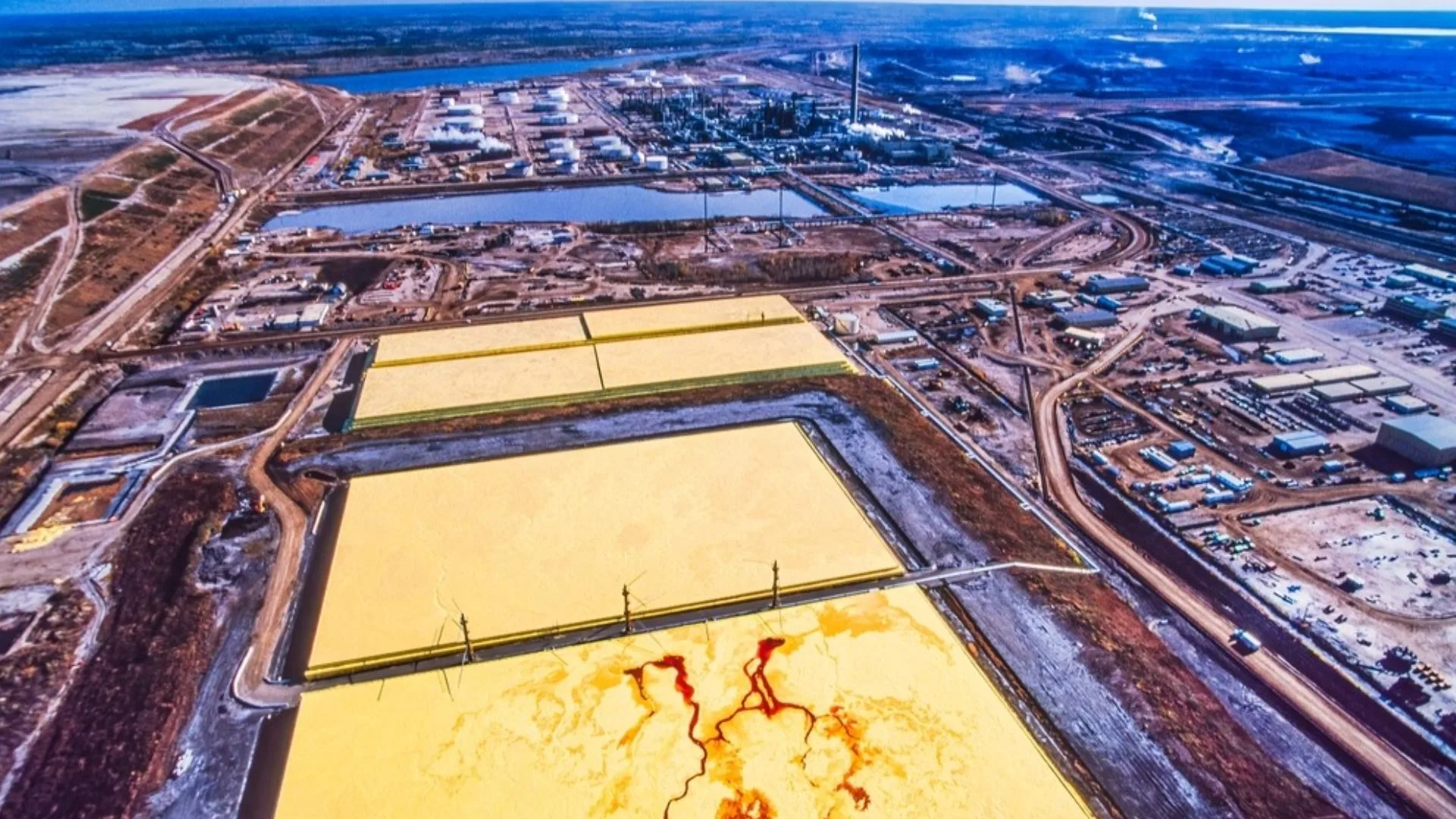
Alberta oil sands are consolidating their position as one of the most competitive oil assets in North America. What was once considered a resource with high operating costs now stands out for its production efficiency, driven by technological improvements, reduced drilling requirements, and growing global demand for heavy oil.
According to various industry analyses, the combination of lower maintenance costs, large available reserves, and stable production is changing the market’s perception of the potential of Canadian oil sands.
Oil Sands Drive Heavy Oil Production
Canada holds approximately 177 billion barrels of proven reserves in its oil sands, concentrated primarily in Alberta. This figure makes the region the largest oil exploitation area in North America.
Furthermore, operators and analysts note that many facilities have significantly reduced their breakeven costs over the past decade. In some projects using steam-assisted gravity drainage (SAGD) technology, the breakeven point can be below $40 per barrel.
Meanwhile, other producing basins face greater economic pressures. In the Permian Basin of the United States, considered one of the world’s major oil hubs, development and production costs have shown an upward trend in recent years.
Technology Drives Operational Efficiency
Technological advancement has been one of the determining factors behind this transformation.
Likewise, the industry has incorporated improvements in drilling, more precise well placement, and advanced monitoring systems that enable production optimization and reduce downtime.
Predictive maintenance strategies have also contributed to increasing the availability of critical equipment, allowing facilities to operate longer with fewer unplanned interruptions.
These improvements have strengthened the profitability of projects that traditionally required high initial investments to enter operation.
An Advantage Over Shale Deposits
Unlike many shale oil developments in the United States, oil sands exhibit a considerably lower decline rate once they begin producing.
This means that operators need to drill fewer wells to maintain production levels over the long term. According to financial sector estimates, SAGD projects may require approximately 60% fewer wells than an average shale operation.
The combination of a long operational life and lower reinvestment requirements makes these assets an attractive alternative for energy companies seeking production stability.
The Global Market Demands More Heavy Oil
Simultaneously, the international market shows growing interest in heavy crudes.
Numerous refineries in the Americas, Europe, and Asia have invested for years in specialized units to process this type of oil. However, global supply from some historical producers has shown signs of contraction.
The gradual reduction of supplies from countries such as Mexico and Venezuela has contributed to tightening the heavy oil market, favoring commercial conditions for Canadian producers.
Since 2021, Canada’s oil exports have increased by approximately 800,000 barrels per day due to production growth from oil sands.
Transportation Capacity Emerges as the Next Challenge
The strengthening of production also poses new challenges for energy infrastructure.
Various analysts believe that anticipated growth could bring current transportation systems close to their operational limits in the coming years. Given this scenario, pipeline expansion appears as a strategic priority to ensure access to markets in the United States and Asia.
Among the alternatives being evaluated are optimizations of Enbridge’s main network, expansions of the Trans Mountain system, and new transportation projects promoted from Alberta.
As the competitiveness of oil sands increases and heavy crude demand remains strong, the Canadian industry is preparing for a new growth phase that could reinforce its role within North American energy supply.
Source: Energy Now
Photo: Shutterstock