The Belgian State has initiated exclusive negotiations with the ENGIE Group to acquire all of its nuclear activities in the country, in an operation that could redefine the national energy future.
Nuclear Asset Purchase and State Control
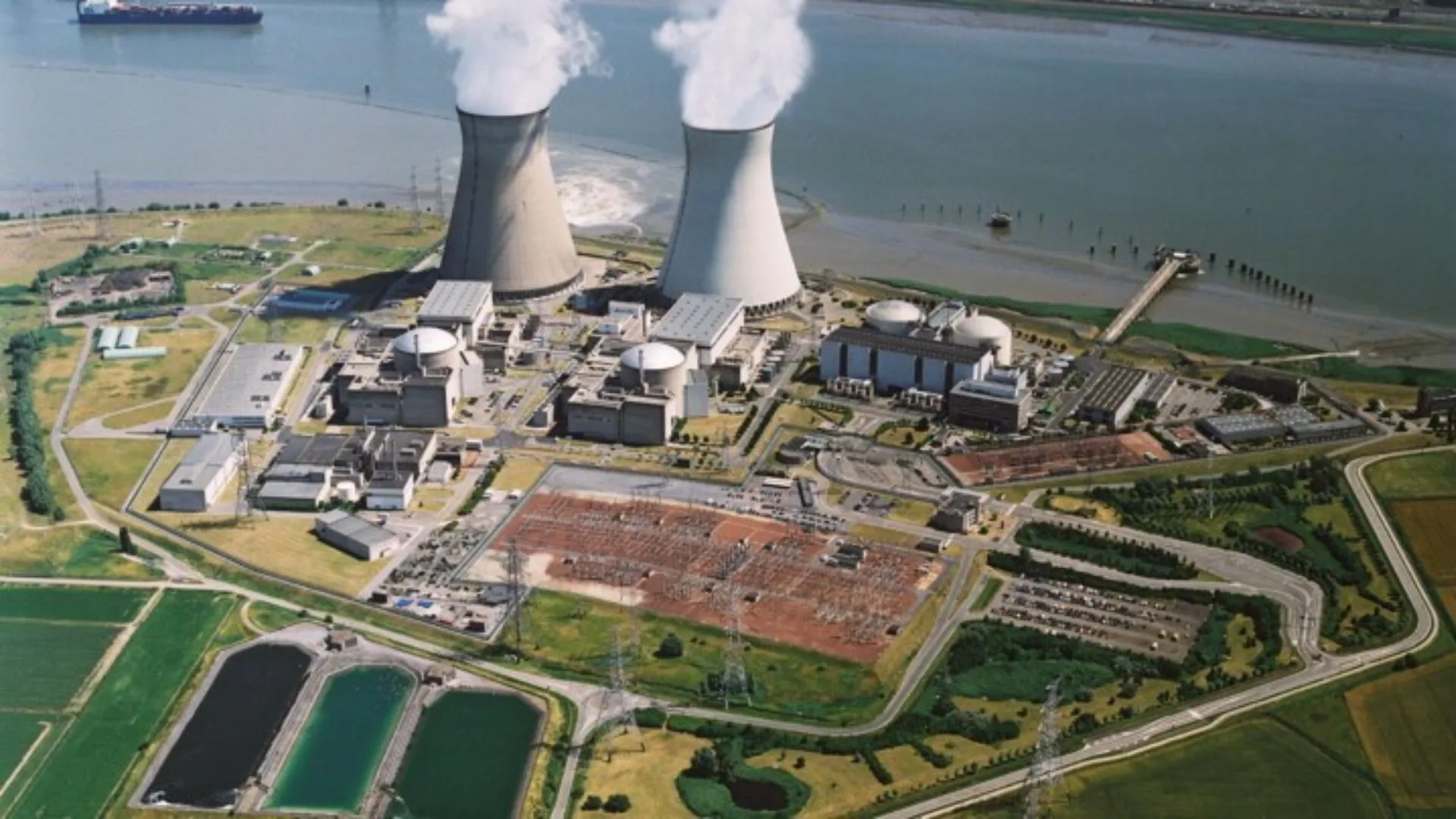
As announced, the Government of Belgium signed a Letter of Intent together with ENGIE and its subsidiary Electrabel to explore the complete purchase of the nuclear assets. This potential transaction includes seven reactors, specialized personnel, associated subsidiaries, and all related obligations, such as facility decommissioning.
If completed, the operation would represent a shift toward a model of greater state control over critical energy infrastructure. In this context, the country seeks to strengthen its autonomy and reduce its exposure to external factors.
Energy Security and Long-Term Strategy
Furthermore, the initiative responds to the need to guarantee energy supply security in an increasingly complex international environment. Various sources highlight that this move aligns with a strategy to extend the operational life of nuclear power plants and develop new capacity in the future.
Likewise, the Government intends to build an economically sustainable energy system capable of supporting industrial competitiveness and meeting climate objectives.
Scope of the Operation and Next Steps
The agreement contemplates conducting a comprehensive audit of the nuclear assets before advancing toward a preliminary agreement scheduled for October 2026. During this period, provisional measures have been established, including the suspension of certain decommissioning activities.
This approach seeks to preserve the value of the assets and keep all strategic options open for the country’s energy future.
Impact on the Sector and Workers
On the other hand, ENGIE has reaffirmed its commitment to support employees during the process, maintaining dialogue with labor representatives.
From the nuclear sector, the initiative has been received positively, as it is considered a move that strengthens energy security and opens new perspectives for the industry in Belgium.
A Structural Change in Energy Policy
Overall, the potential acquisition marks a key point in Belgian energy policy. The transition toward greater state participation in the nuclear sector reflects a commitment to energy sovereignty and long-term stability.
As negotiations progress, the outcome of this operation could influence the European energy model and the way countries manage their strategic assets.
Source and photo: ENGIE