Table of Contents
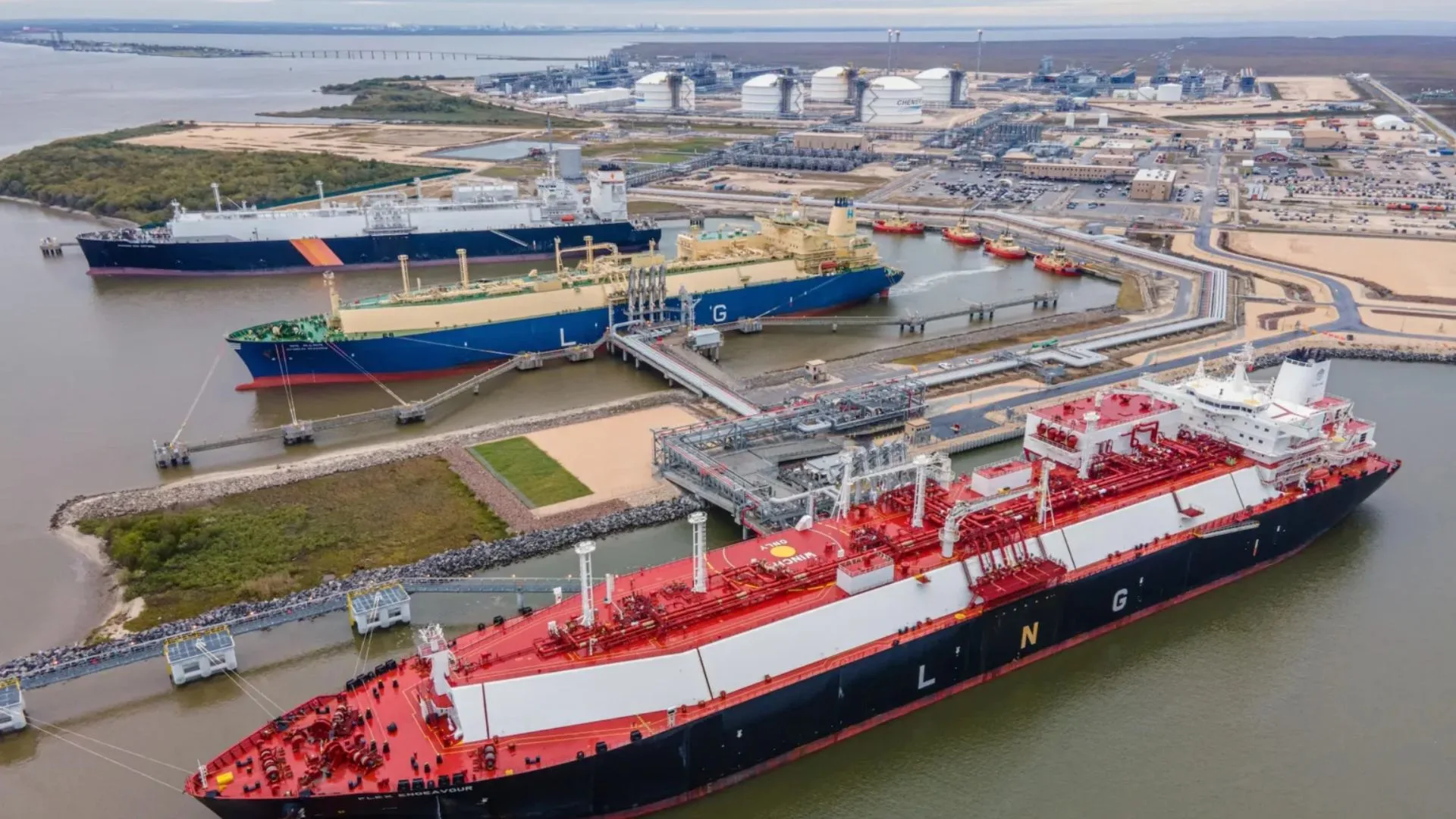
Following the issuance of limited notice to proceed by Cheniere, Bechtel formally assumes the engineering, procurement, and construction phases of the first expansion phase at the Sabine Pass liquefaction plant. This facility is located in southwest Louisiana and projects full construction to begin in early 2027.
The Sabine Pass Liquefaction Plant and Its Energy Infrastructure
Consequently, the development of the so-called Train 7 represents a direct response to the increase in global energy demand and the need to consolidate secure liquefied natural gas supply. Bechtel’s Energy Business President, Paul Marsden, stated that this decision marks the beginning of the next phase of growth for U.S. energy infrastructure, while also stabilizing the global energy matrix for decades to come.
Regarding operational specifications, the plant will feature an optimized cascade process configuration that will provide approximately five million tons per year of capacity. Additionally, Chart will supply a boil-off gas reliquefaction system with a capacity of one million tons per year.
Furthermore, the technical design will incorporate optimized flare systems with minimal infrastructure outside the plant boundaries. BASF will provide a hot catalyst and heater system, ensuring an integrated approach for efficient execution of the liquefied natural gas project. Likewise, the complex will maintain its six pre-existing trains, storage tanks, and marine terminals operational.
With respect to institutional background, this project consolidates nearly two decades of continuous collaboration between both corporations. Bechtel designed and expanded the original receiving terminal between 2005 and 2009, laying the foundation for large-scale exports in the United States. Subsequently, between 2016 and 2022, the firm delivered six liquefaction trains that contributed 30 million tons per year to the energy market.
Indeed, Bechtel positions itself as the leading global contractor in the liquefied natural gas sector. The company currently has 17 liquefaction trains under construction in various countries, equivalent to approximately 25 percent of global export capacity, underscoring its strategic role in international supply.