Corinth Pipeworks wins contract to supply pipes to Rovuma LNG
Corinth Pipeworks (CPW) has been awarded a contract to supply steel pipes for the first phase of the Rovuma LNG project , located in Cabo Delgado, Mozambique. The contract is valued between $200 million and $250 million.
The contract covers the manufacture of approximately 250 kilometers of pipes to be used in the underwater gas pipeline network . In total, the supply will weigh approximately 120,000 tons.
The contract includes 250 km of pipelines for the Rovuma project
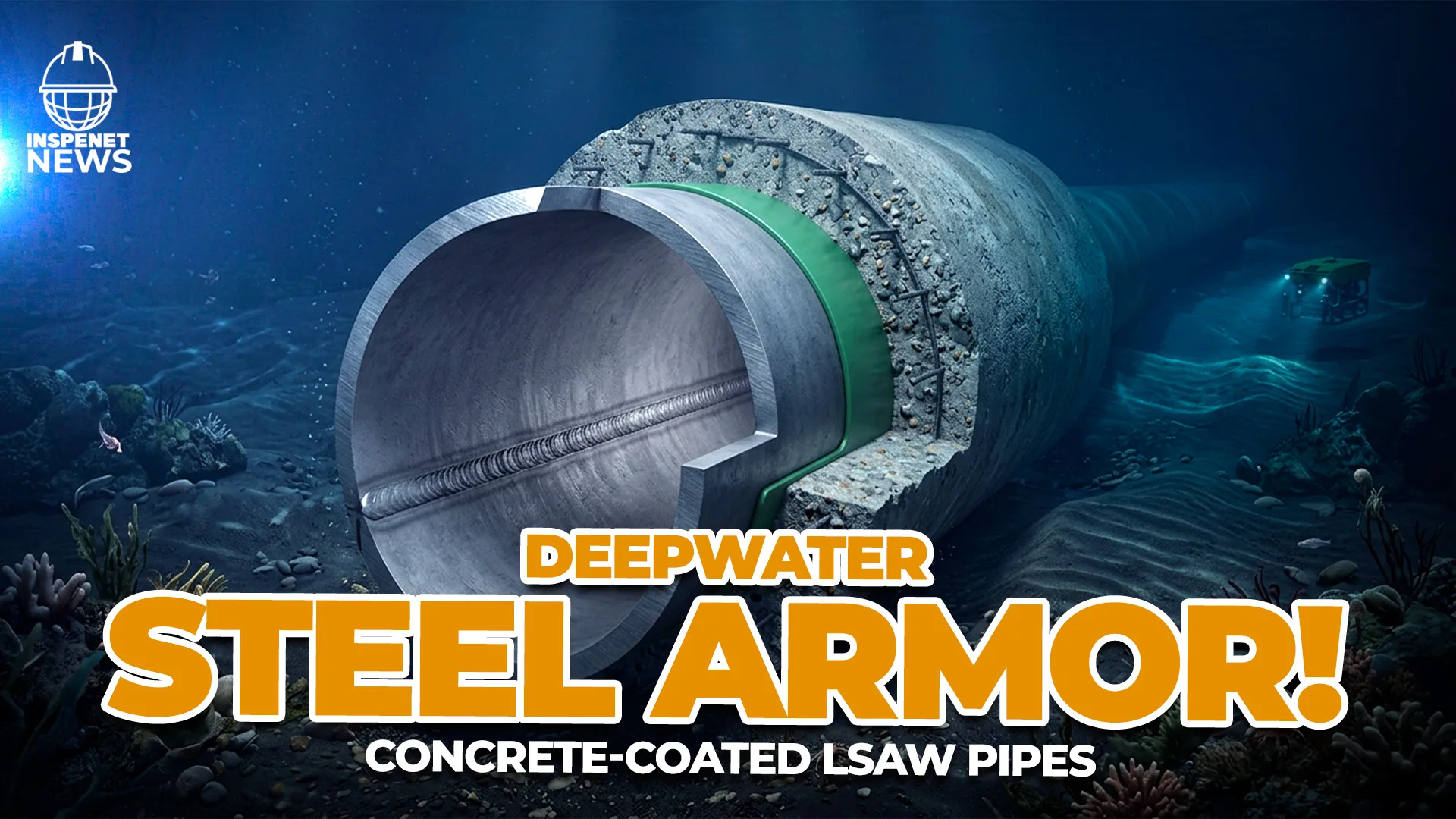
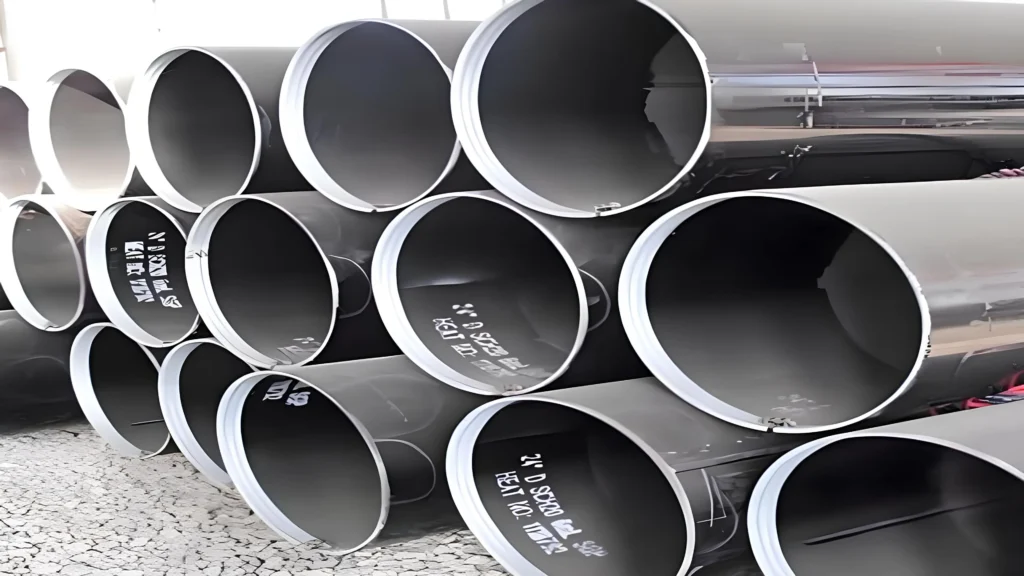
Specifically, Corinth Pipeworks will produce longitudinally submerged arc welded ( LSAW) steel pipes . Their diameters will range from 20 to 24 inches.
In addition, the supply will include anti-corrosion protection and concrete lining; these features respond to the conditions that the infrastructure will have to face during deep-water gas operations.
Manufacturing will take place at the Corinth Pipeworks facility in Thisvi, Greece. The material destined for the Rovuma LNG subsea infrastructure will be shipped from there .
The underwater gas pipelines will form part of Rovuma LNG
The pipelines, meanwhile, will be part of the Rovuma project's underwater gas pipeline network . This infrastructure will allow for the transport of the gas necessary for the development of the planned LNG operation in Mozambique.
The order volume shows the scale of the work; Corinth Pipeworks will need to produce around 120,000 tons of pipe to complete the approximately 250 kilometers covered by the agreement.
In turn, the technical specifications take on special importance due to the environment in which the subsea pipelines will operate. The pipelines must meet the requirements associated with gas transport in deep water.
ExxonMobil leads the contract award
Meanwhile, the contract was awarded by Area 4 Partners, with ExxonMobil Moçambique as the delegated operator.
The Rovuma LNG project is operated by Mozambique Rovuma Venture, a joint venture comprised of ExxonMobil, Eni, and CNPC. These three companies collectively own 70% of the Area 4 concession .
The remaining 30% is divided equally between XRG, Kogas, and the Mozambique National Hydrocarbons Company. Each holds a 10% stake.
In this way, the Corinth Pipeworks contract is incorporated into a project that brings together several international companies in the energy sector and the Mozambican state company.
Rovuma LNG will produce 18.6 million tons per year
In terms of its size, Rovuma LNG is designed to achieve a production capacity of 18.6 million tons of liquefied natural gas per year .
The development is located in Cabo Delgado, a region in northern Mozambique. The underwater infrastructure for which Corinth Pipeworks will manufacture the pipes is part of the first phase of the project.
For CPW, the award also means participating in a project that requires the ability to manufacture large volumes of pipe with specifications intended for complex marine operations.
Corinth Pipeworks will manufacture the pipes in Greece
On the other hand, the production of the order will be concentrated at the Thisvi plant, where the company will have to manufacture both the LSAW pipes and apply the protection systems included in the contract.
Ilias Bekiros, CEO of Corinth Pipeworks, noted after the award that the selection reflects the confidence of major energy operators in the company's technical and manufacturing capabilities.
The executive also highlighted CPW's experience in participating in highly complex marine projects and energy infrastructure on an international scale.
The first phase of Rovuma LNG continues to advance
Finally, the award comes as other work related to the first phase of Rovuma LNG progresses.
ExxonMobil Mozambique had previously issued a letter of intent to McDermott Energy Solutions, in the UK, to develop limited engineering and procurement services linked to the continuation of this phase.
The addition of Corinth Pipeworks as a pipe supplier adds another industrial component to the project. The Greek company will be responsible for one of the supplies needed to deploy the underwater pipelines that will form part of the future LNG infrastructure in Mozambique.
News of additional interest
Iran discovers a large gas reserve in Fars
Iran announced the discovery of more than 7.5 trillion cubic feet of natural gas in the southern province of Fars. According to Oil Minister Mohsen Paknejad, approximately 5.7 trillion cubic feet are recoverable. The find also contains gas condensates, which Iranian authorities value at tens of billions of dollars. The government intends to develop these resources quickly, although production could take several years to begin.
The announcement comes at a difficult time for Iran's energy system. Attacks that began in late February reduced the country's daily gas production capacity by about a quarter and affected facilities such as South Pars. Some of that capacity has been restored, but authorities still anticipate supply problems through the coming winter. This is compounded by years of sanctions, low investment, and power outages.
China takes its athletic robots to real-world work
China is using the World Humanoid Robot Games in Beijing to measure how far these machines have come beyond exhibitions. During the event, two robots completed the 100 meters in under the human world record of 9.58 seconds, and another covered 400 meters in 39.7 seconds. However, the tests also revealed difficulties in braking and controlling movements after reaching high speeds.
The biggest challenge will be tasks similar to those found in a workplace. The robots will have to connect cables, handle packages, assemble parts, charge electric vehicles, and respond to emergencies. More than 40% of the 51 tests require fully autonomous operation. These exercises will measure capabilities such as object recognition, force control, and error correction when conditions change.
Exxon seeks to acquire Shell's chemical business
Exxon is vying to acquire Shell's chemical business in the United States, a deal that could reach US$8 billion. According to the Financial Times , LyondellBasell, Apollo Global Management, and Kuwait Petroleum Corporation are also involved. Initial offers range from the purchase of some assets to the acquisition of the entire division, which consists of four plants located in Louisiana, Texas, and Pennsylvania.
The potential sale is part of Shell's ongoing asset adjustment to direct capital toward businesses with better profitability prospects. The company has already agreed to divest solar and wind assets in Europe and a 35% stake in a gas project in Cyprus for US$720 million. At the same time, Shell is increasing its focus on liquefied natural gas.
The UK is considering importing more LNG due to lower production.
The British government is reportedly considering investing billions of pounds to expand its liquefied natural gas (LNG) import capacity in response to declining North Sea production. This possibility arises as the country maintains restrictions on new exploration licenses and acknowledges it will continue to need gas for decades to come. The plan has drawn criticism from business and energy sector representatives.
The Aberdeen and Grampian Chamber of Commerce argues that increased imports could raise dependence on foreign supply and calls for more support for domestic production. It also urges progress on projects like Jackdaw and Rosebank, which the organization says could provide nearly 10% of future British gas supply. Furthermore, it calls for the elimination of the energy profits levy, which brings the nominal tax burden on the sector to 78%.