Table of Contents
- Batteries change how Australia's NEM works
- Australia increased its storage capacity from 261 MW to 6.1 GW
- Batteries are gaining importance in price formation
- More batteries increase competition during peak demand
- Australia is moving towards longer-lasting batteries
- The NEM is preparing another 17.8 GW of storage
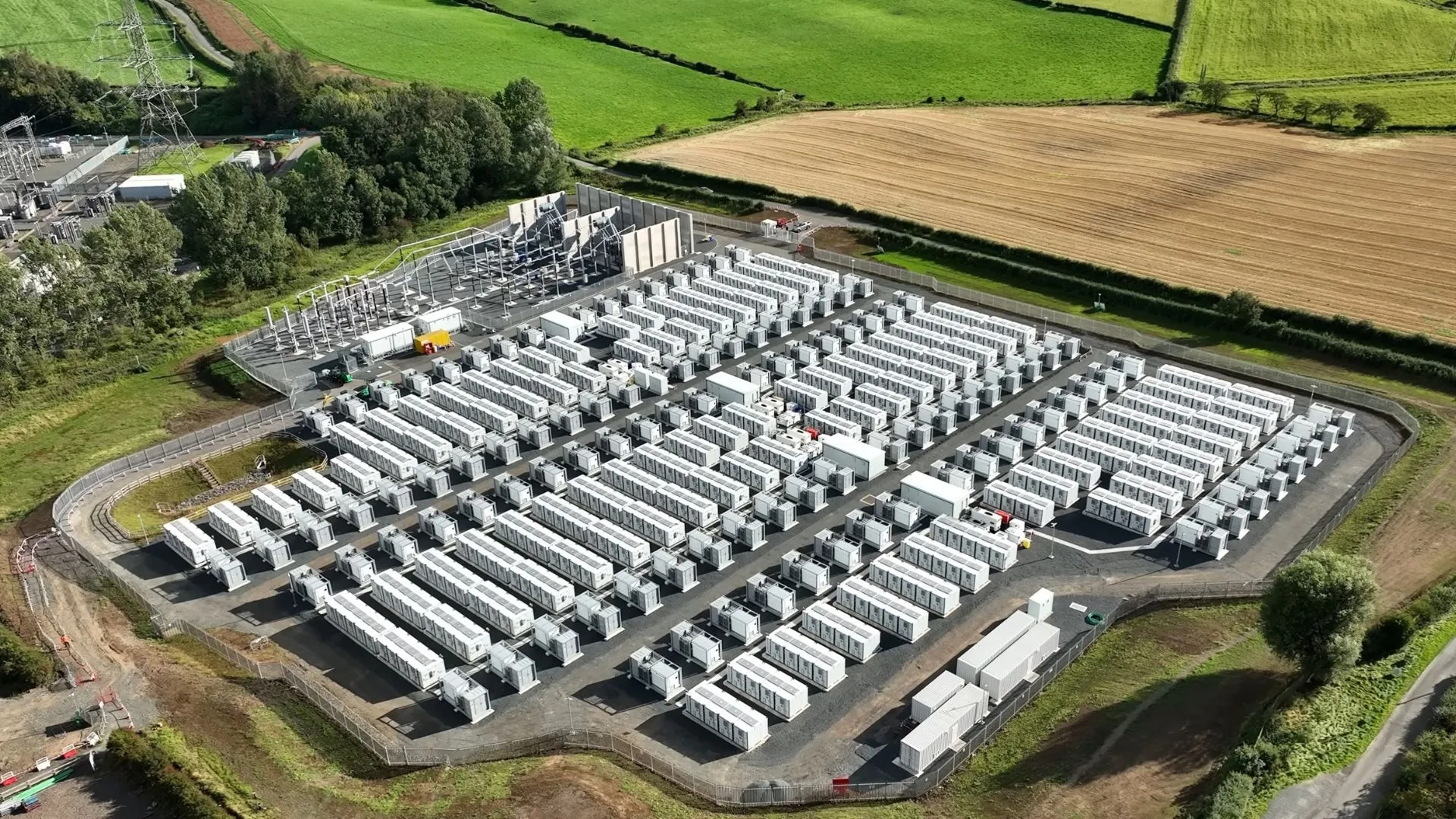
Batteries and energy storage systems they are modifying the operation of Australia’s National Electricity Market (NEM). The rapid addition of new capacity during 2025 helped reduce pressure on wholesale prices and increased the influence of these systems on price formation.
According to the Australian Energy Regulator’s (AER) 2026 Wholesale Electricity Market Performance Report, wholesale prices and revenues declined during 2025 compared to the previous year across all time slots.
However, this improvement varied significantly throughout the day, with prices during the afternoon peak and overnight hours remaining clearly above pre-2022 levels. In fact, average prices and total revenue exceeded those recorded in 2021 in all regions except Queensland.
Batteries change how Australia’s NEM works
According to the AER, the National Electricity Market is evolving towards increasingly differentiated markets within each region. The availability of flexible capacity in certain places and times now has a greater influence on the results. In this scenario, the battery storage systems they play an increasing role. During the afternoon peak, the addition of new batteries increased mid-priced offers and coincided with a lower frequency of extremely high price episodes.
On the other hand, during daylight hours, prices fell more sharply thanks to low-cost offers from new solar and wind power plants. At the same time, battery charging began to have a greater influence on market behavior during those hours. Coal, meanwhile, set the wholesale price less frequently during 2025, especially during the day. Its influence remains significant at night in Queensland and New South Wales, where its higher costs limited the reduction in nighttime prices.
Australia increased its storage capacity from 261 MW to 6.1 GW
The change is especially visible when comparing available capacity, at the beginning of 2021, the NEM had five grid-scale battery storage systems totaling just 261 MW. By the end of 2025, installed capacity had scaled up to6,1 GWThis was compared to the 2.2 GW available at the beginning of that same year. This rapid increase had a significant impact on wholesale market results, according to the AER.
Furthermore, the new installations are offering longer storage times; nearly two-thirds of the installed capacity currently has a minimum autonomy of two hours. This growth has also changed the source of battery revenue. In 2021, much of its activity was linked to frequency control ancillary services (FCAS) markets. By 2025, energy markets will account for approximately 80% of spot revenues from batteries.
Batteries are gaining importance in price formation
Furthermore, storage went from occupying a relatively small position in the NEM to becoming a relevant element in setting the price of electricity. Generation and the charging of storage systems jointly determined the wholesale price of the NEM during the 16.3% of the time in 2025 in 2021, that share was close to 1%.
The change was even more visible during peak demand hours; in Queensland, batteries set the price during the 25.5% of the evening peak in 2025 compared to approximately 1% four years earlier. This increased presence displaced gas and hydroelectric generation such as technologies that intervened more frequently in price formation.
On the other hand, FCAS market conditions improved during 2025. Costs fell to their lowest level since 2016 due to the increasing participation of storage systems and other technologies. Even so, the AER detected localized episodes of high prices in South Australia, a sign that upward pressures may persist in certain regions and at certain times.
More batteries increase competition during peak demand
The arrival of new projects is also expanding the number of participants, according to the AER storage facilities they have more than doubled since mid-2024, and there is greater diversity of owners within the market. However, a lower average concentration does not mean that risks to competition have disappeared. These problems are becoming concentrated in specific times, services, and locations.
Competition remains more limited during nighttime and peak evening hours, when solar production drops and the system relies more heavily on dispatchable generation sources. Firmness services are one of the key issues. The largest providers still control a significant proportion of the available capacity across the entire New Energy Management (NEM) network.
Australia is moving towards longer-lasting batteries
The growth of energy storage is also accompanied by systems capable of supplying electricity for longer periods. In June 2026, the first battery storage system began operating eight hours of autonomy, supported by the New South Wales Energy Roadmap.
AER anticipates that the addition of new long-life batteries over the next few years will be driven primarily by this program and South Australia’s Firm Energy Reliability Mechanism (FERM). Longer battery life will be particularly important as the electricity system incorporates more variable renewable generation and requires flexible capacity available outside of peak solar production hours.
The NEM is preparing another 17.8 GW of storage
Looking ahead to the coming years, the expansion will continue, the AER identified 6.5 GW of battery storage capacity committed and under development most have a minimum battery life of two hours. Others are added to this figure 11.3 GW of planned capacity, part of which could become operational during the next three years.
Taken together, this represents an additional potential of 17,8 GW between committed projects and planned capacity. The effective entry of these systems could further amplify the influence of batteries on prices and the functioning of the Australian electricity market. However, battery storage does not yet resolve all the pressures on the New Energy Market (NEM). Its increased presence is helping, especially during the evening peak, while nighttime conditions continue to pose a challenge.
Therefore, the evolution of the market will depend on the combination of long-life batteries, wind power generation, firm capacity, and new electrical infrastructure capable of meeting the system’s needs. This transformation is also crucial given the planned retirement of coal-fired generation capacity. In this scenario, having flexible resources available in the right places and at the right times will be critical to maintaining the stability of Australia’s National Electricity Market.
Source: Energy Storage News
Photo: Shutterstock