Table of Contents
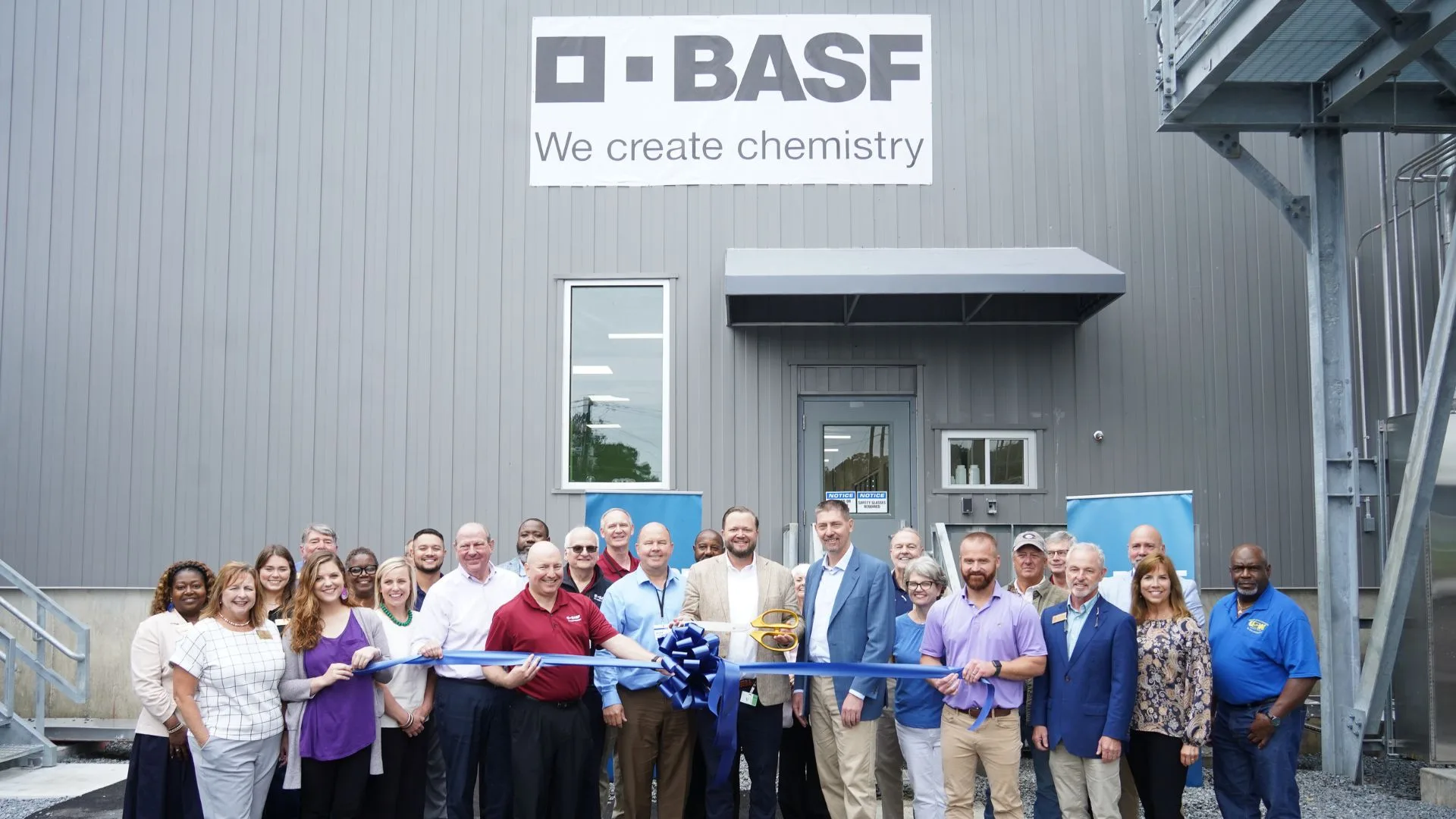
The company BASF has decided to unify its research department with its largest global production plant for catalytic agents. This physical proximity will completely transform the speed at which new laboratory developments are transferred to commercial manufacturing lines.
Direct Research on Catalytic Agents and Production Plants
The co-location of process engineering and operations teams will exponentially reduce time-to-market. Furthermore, technical tests and quality controls will be executed under real manufacturing and end-use criteria. Analysts in the new laboratories will be able to customize formulas in close collaboration with clients in the energy sector.
Similarly, the core of the scientific activity will focus on fluidized catalytic cracking. This chemical procedure is essential in modern refining due to its ability to transform heavy crude oil into compounds of high commercial value. Global refineries directly depend on the efficiency of these processes to increase their profit margins and improve the technical performance of their existing assets.
Regarding the company’s future vision, Marius Vaarkamp, Global Director of Refinery Catalyst Research, stated that the Georgia complex will leverage advanced digital tools. The infrastructure is integrated into the global corporate development model to offer flexible solutions to the changing demands of the international petrochemical market. The ultimate goal is to maintain competitiveness through first-class analytical support.
Likewise, the developed technology will facilitate the introduction of circular feedstocks with low carbon emissions. The design of new catalytic systems adapted to each type of crude oil allows for optimizing energy consumption in refining plants. The sector seeks efficient solutions that simplify the production of gasoline, LPG, and olefins without compromising the environmental responsibility of the industrial environment.
Source and photo: BASF