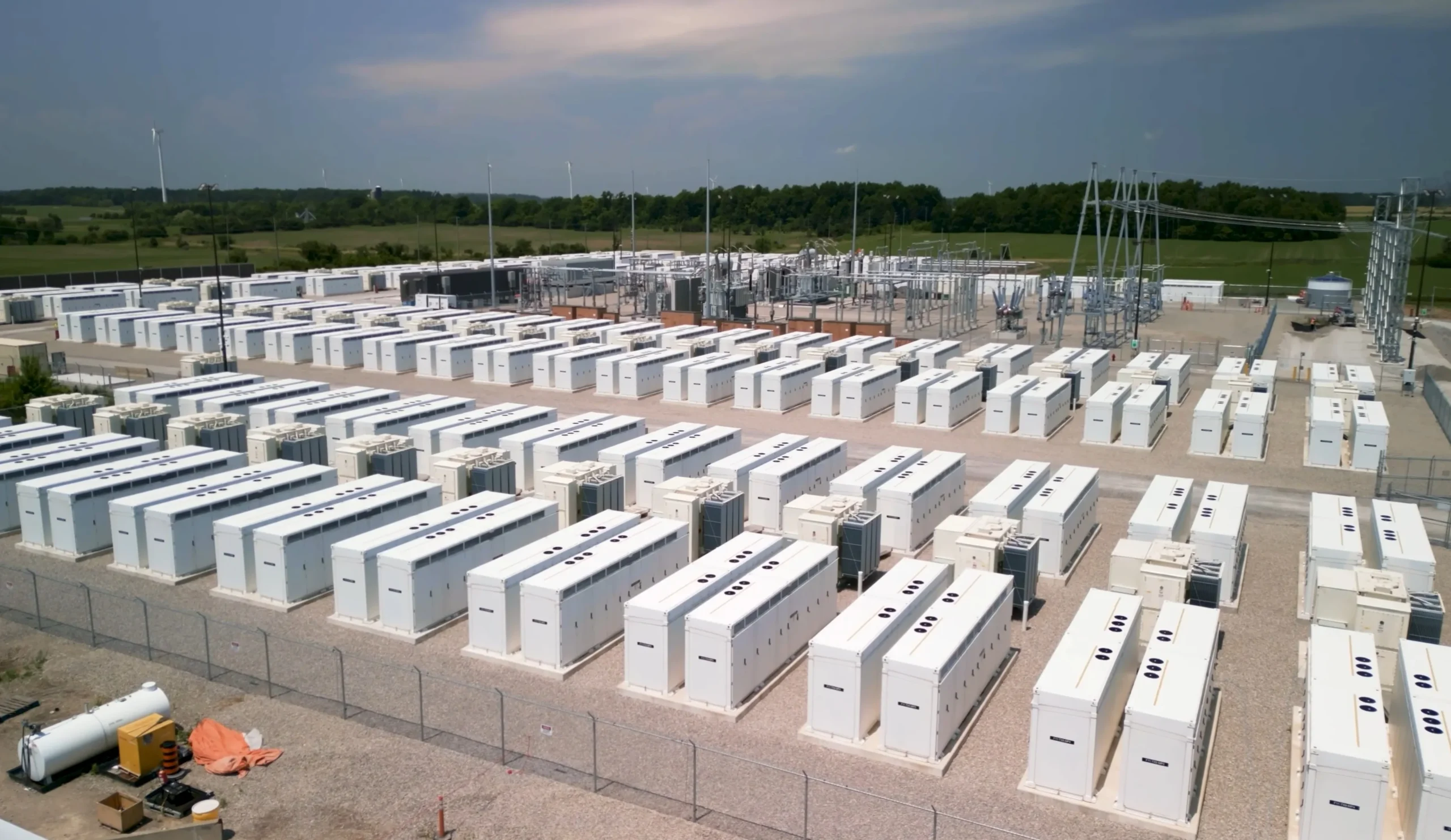
Axpo will manage the commercial optimization of the storage system that Zelestra will build in Friuli-Venezia Giulia.
Axpo and Zelestra signed a ten-year physical tolling agreement to support a battery energy storage system in northeastern Italy. The project will have 207 MW of power and approximately 830 MWh of capacity.
The facility will be located in Friuli-Venezia Giulia, one of the country’s most industrially active regions. Its function will be to facilitate the integration of renewable energy and provide greater flexibility to the Italian electricity system.
Axpo and Zelestra are promoting a BESS in Italy
Zelestra will be responsible for building, maintaining the property and operating the storage system according to the planned schedule, construction will begin in 2027 and commercial operation will start in 2028.
For its part, Axpo will offer optimization services to manage battery capacity; this activity will allow the charging and discharging of the system to be adapted to the conditions of the electricity market and the needs of the grid.
The scheme will also give Zelestra greater visibility into its revenue over the life of the contract, this predictability can improve the conditions for financing infrastructure that requires significant investment and a long-term operational horizon.
The tolling agreement supports the investment
In a tolling agreement, the owner retains physical control of the asset while another company obtains rights to commercially manage its capacity for a defined period.
In this case, Zelestra will retain ownership and operation of BESS, while Axpo will assume responsibility for its optimization. The model separates technical management from commercial participation in the electricity markets.
In this way, the project will be able to generate income through different services, including shifting energy between hours, responding to variations in demand, and supporting grid stability.
A battery to integrate more renewable energy
The growth of the solar and wind power generation the need for flexible resources increases; both technologies depend on variable conditions and their production does not always coincide with periods of highest consumption.
In this scenario, the storage system can store electricity when there is a high supply and return it to the grid when needed. This operation helps reduce imbalances and allows for better use of available renewable generation.
Simone Rodolfi, Director of Origination and Structured Products at Axpo Italy, noted that flexible generation is a cornerstone of the country’s energy transition. He also indicated that this will be Axpo’s first BESS agreement in Italy.
Zelestra expands its storage portfolio
Eliano Russo, CEO of Zelestra Italia, highlighted that long-term trade alliances can accelerate investment in flexible infrastructure.
According to the company, the project will increase its authorized battery storage portfolio in Italy to 970 MW. That figure would position Zelestra as the second largest owner of authorized BESS capacity in the country.
Furthermore, the combination of an industrial location, advanced development, and a ten-year contract reinforces the commercial viability of the facility.
The Axpo and Zelestra project demonstrates how long-term agreements can promote large-scale energy storage. The future battery will contribute to integrating more renewable electricity and improving the responsiveness of the Italian electricity system.
Source: Axpo
Photo: Shutterstock