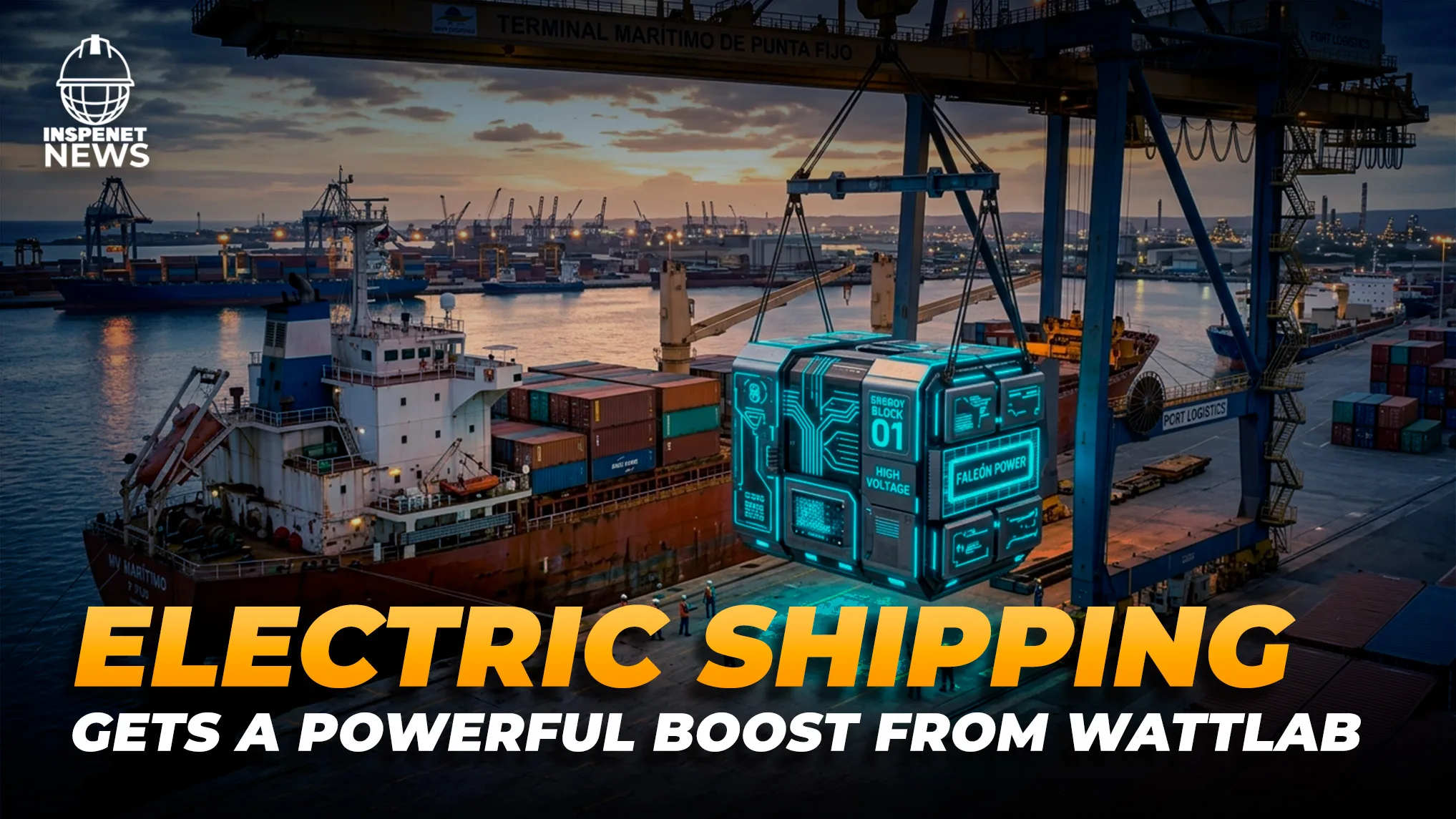
Wattlab presents marine batteries for inland navigation
The transition to cleaner river transport continues to gain momentum. In this context, the Dutch company Wattlab has launched WEstack , a marine batteries system designed to simplify the adoption of more efficient energy solutions for inland waterway vessels.
Unlike traditional custom-built systems, the new solution arrives fully assembled and tested before delivery. This allows for onboard installation to be completed in a single working day, significantly reducing typical implementation times.
The company believes this approach can facilitate the incorporation of energy storage technologies in a sector seeking to reduce operating costs and move towards increasingly demanding sustainability goals.
How does the new standardized battery system work?
WEstack works by optimizing the performance of diesel generators on ships. According to Wattlab , these generators typically operate at very low load levels for much of the time, increasing fuel consumption and reducing the overall efficiency of the energy system.
By incorporating a marine battery system, the generator can operate under more favorable conditions for charging the battery. The stored energy then powers the vessel's systems as needed.
This model allows for better use of available energy and reduces wear and tear on conventional generation equipment.
Reduction in fuel consumption and emissions
One of Wattlab 's main arguments is WEstack 's ability to reduce generator operating hours by 80% to 90%.
As a result, vessels can experience a significant reduction in fuel consumption and associated maintenance costs. Similarly, the decrease in engine operating hours contributes to reducing CO₂ emissions and other pollutants related to maritime activity.
Furthermore, the solution promotes maritime decarbonization by allowing ships to rely less on conventional power generation systems during their daily operations.
Installation in one day and lower operating costs
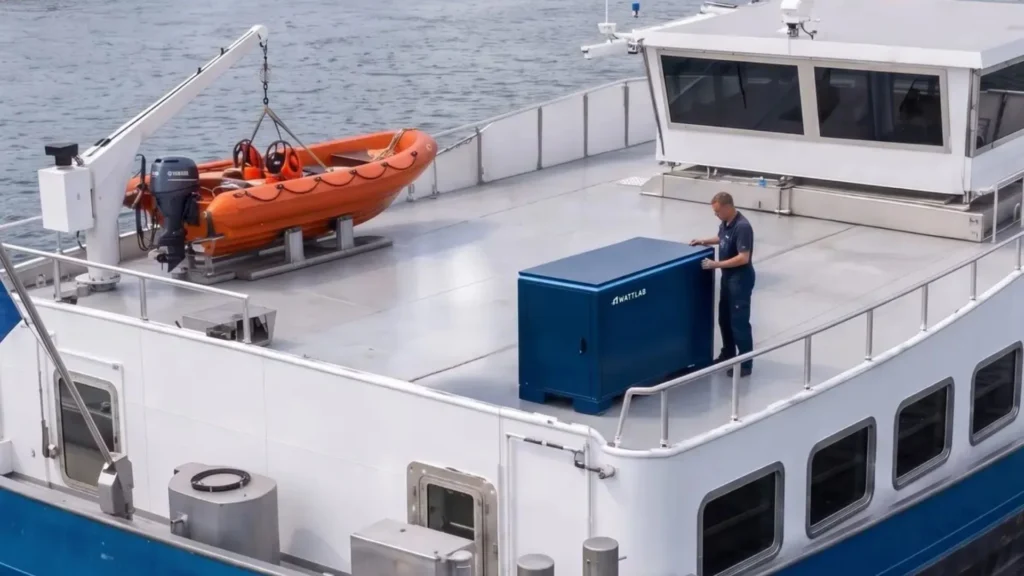
One of the most outstanding elements of the project is its standardized approach, while many solutions require specific designs for each vessel, WEstack is marketed in predetermined configurations of 100, 200, 300 and 400 kWh .
This strategy allows for faster manufacturing processes, simplified installation, and reduced costs associated with system customization.
Furthermore, the shorter intervention time prevents vessels from being out of service for long periods, a relevant advantage for operators seeking to maintain commercial activity with the least possible impact.
WEstack adapts to new ships and modernizations
WEstack has been developed to adapt to both new construction and modernization projects of existing fleets.
The solution can be installed on the stern deck and is designed for a wide variety of inland waterway vessels, including dry cargo ships, tankers, and small coastal craft.
This flexibility expands the possibilities for adoption in a market that is looking for practical alternatives to improve its energy efficiency without drastically changing normal operations.
The role of batteries in maritime decarbonization
Regulatory pressure on emissions continues to increase in numerous ports and logistics corridors. At the same time, port authorities are developing measures aimed at reducing noise and pollution generated by ships during port calls.
Given this scenario, marine battery systems are becoming increasingly important. The ability to operate for longer periods with lower emissions and less noise could become a key factor in meeting future environmental requirements.
Furthermore, the industry continues to face uncertainties related to the availability and cost of alternative fuels. This is leading many companies to prioritize energy efficiency measures as an immediate way to reduce their environmental impact.
Wattlab strengthens its commitment to marine energy
Since its founding in 2017, Wattlab has developed various technologies aimed at improving the sustainability of maritime transport.
The company gained international recognition for its solar energy projects applied to inland waterway vessels. Among these, its participation in the large-scale solar installation aboard the MS Helios stands out, a feat recognized by Guinness World Records.
Currently, the company is also working on the development of Solar Flatrack systems for maritime vessels and has deployed its technologies on more than 30 vessels around the world.
With the arrival of WEstack , Wattlab expands its commitment to solutions that combine energy efficiency , emissions reduction and lower operating costs to accelerate the transformation of the maritime sector.
News of additional interest
Oil prices fall as talks with Iran advance
Oil prices edged back moderately after sharp gains the previous day, as markets closely monitored negotiations between the United States and Iran to extend the ceasefire and normalize traffic through the Strait of Hormuz. Investors reacted to reports that Tehran is still evaluating a proposal from Washington, with no definitive response yet forthcoming.
Despite the setback, the energy market remains highly sensitive to any developments related to the conflict. Restrictions on maritime transport in the Gulf have affected a significant portion of global oil and liquefied natural gas flows. At the same time, analysts and industry organizations are warning of a potential reduction in global inventories during a period when seasonal demand typically increases.
Rey Solar strengthens renewable energy in Andalusia
Recurrent Energy officially opened the Rey Solar photovoltaic plant in Carmona, Seville, an installation with a capacity exceeding 420 MWp , which began commercial operations at the end of 2025. The project is designed to generate around 916,000 MWh of renewable electricity per year, enough to supply more than 275,000 homes.
In addition to increasing clean energy generation capacity in Spain, the initiative includes actions to support the local community. The company collaborated with the Carmona City Council to finance improvements to infrastructure and services, including the modernization of 14 educational centers through the provision of equipment designed to enhance learning spaces.
INEOS takes its LNG business to the Asian market
INEOS Energy signed a liquefied natural gas supply agreement with Japan's Marubeni Corporation to make deliveries in Asia starting in 2029. The agreement will allow the company to supply LNG under the destination delivery modality, strengthening its presence in one of the regions with the highest consumption and growth in energy demand worldwide.
Energy 's first foray into the Pacific Basin LNG market and expands a portfolio that has previously focused primarily on the Atlantic Basin. For Marubeni , the agreement represents a new, flexible supply source designed to meet the energy needs of Asian markets that continue to increase their natural gas consumption.
EemsEnergyTerminal moves forward with LNG expansion plan
EemsEnergyTerminal took another step toward expanding its facilities following the adoption of a Conditional Final Investment Decision ( cFID ). The move, supported by its shareholders Gasunie and Vopak , brings the project closer to final approval, which still depends on obtaining the necessary regulatory permits.
The terminal has already secured contracts with customers for the supply of liquefied natural gas during the period between 2028 and 2036. These agreements support the commercial viability of the expansion and reflect the market's interest in ensuring long-term LNG import and management capacity.