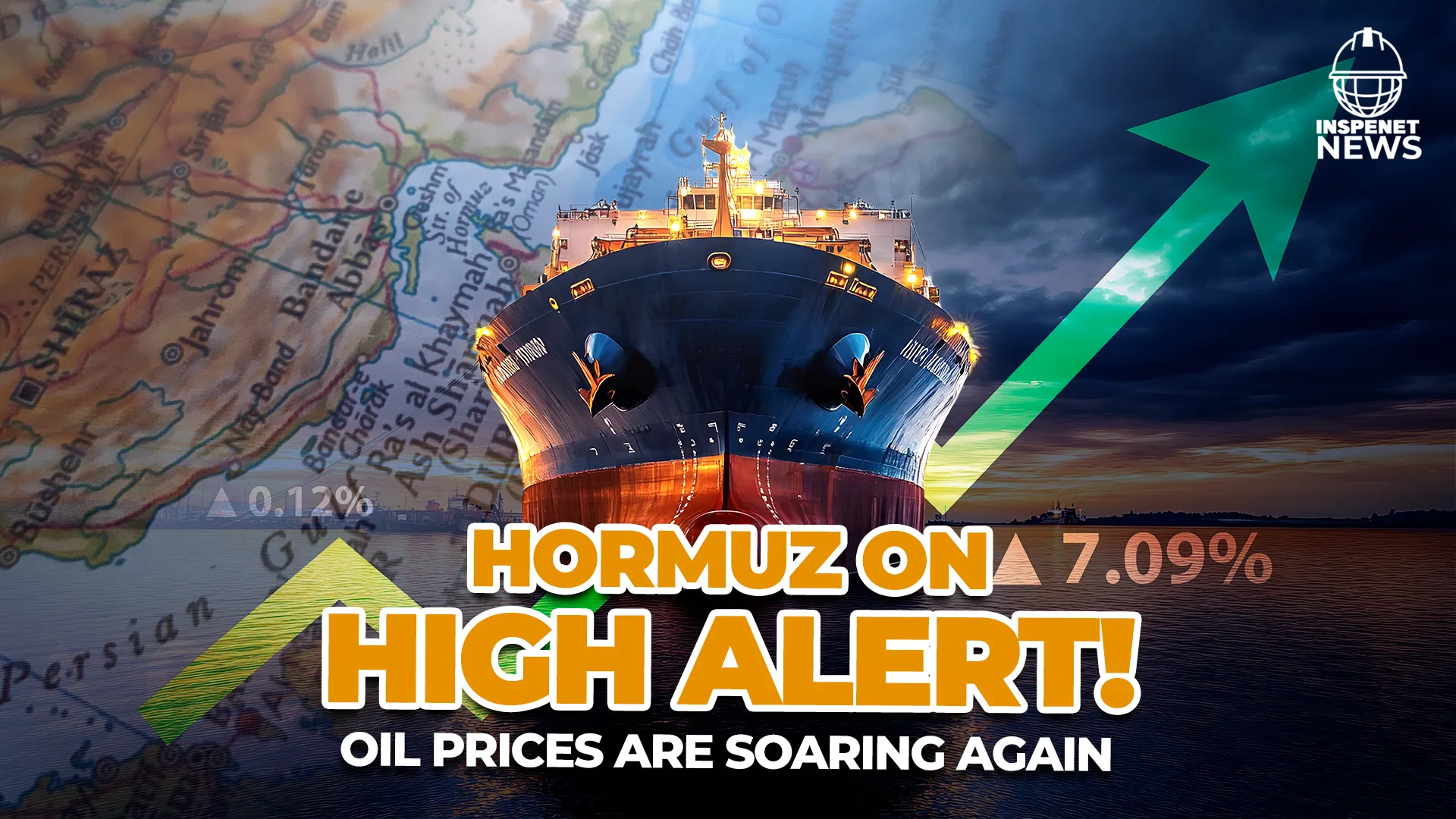
Oil prices rise amid dispute over the Strait of Hormuz
Oil prices surged after the United States and Iran intensified their attacks around the Strait of Hormuz. The escalation raised fears of disruptions to one of the world's most important shipping routes for crude oil , gas, and refined products.
During the trading session, Brent crude surpassed $79 a barrel after rising more than 5% the previous week. Meanwhile, West Texas Intermediate hovered near $74 as traders assessed the extent of the renewed hostilities.
The oil market 's reaction stems from the risk that the attacks could affect tankers, ports, or energy facilities. Although the physical supply remains relatively orderly, any prolonged disruption could reduce available supply and increase downward pressure on prices.
The Strait of Hormuz is the focus of market attention
The Strait of Hormuz connects the Persian Gulf with the Gulf of Oman and serves as a passage for a significant portion of the world's energy trade. Approximately one-fifth of the world's oil and liquefied natural gas supplies pass through this route .
In recent days, Iran claimed that the passage would remain closed until further notice; the United States rejected that version and maintained that its forces are prepared to protect freedom of commercial navigation.
At the same time, maritime traffic showed a sharp reduction; however, a route coordinated by Oman remained available for certain operations. The situation keeps shipping companies, exporters, and crude oil buyers on alert.
Shipping is one of the main areas of concern, as insurers may raise their rates in the face of a greater risk of attacks, while ship owners may delay voyages or seek alternative routes .
The United States and Iran escalate their attacks
Over the weekend, the United States launched a new series of operations against Iranian air defense systems, coastal radar stations, and missile and drone capabilities.
The United States Central Command indicated that the attacks were intended to reduce Iran's ability to threaten international vessels transiting the Strait of Hormuz.
In response, Iran carried out drone and missile attacks against US allies in the Middle East. Among the countries affected by the escalation are Bahrain, Kuwait, and Qatar, according to reports released throughout the day.
Kuwait also reported damage to an offshore drilling platform. This incident heightened fears that the conflict could reach facilities linked to energy production and export.
The oil market maintains a risk premium
Saxo Bank explained that the price increase reflects concerns about the safety of the transit of oil and other raw materials through Hormuz.
Despite the increased tension, the spread between short-term and long-term contracts remains contained. This suggests that the physical market is not yet facing a widespread shortage.
However, operators have incorporated a risk premium into their quotes. This surcharge reflects the possibility that the conflict could restrict navigation, reduce shipments, or cause damage to ports and production centers.
For now, the trajectory of the price of oil will depend on the duration of the attacks and the ability of producing countries to maintain their exports.
Refined products face additional pressure
The impact of the escalation is not limited to crude oil. Saxo Bank warned that the refined products market was already experiencing a tight situation before the new increase in tensions.
Russia's ban on diesel exports has added pressure to an already struggling market. If transit through the Strait of Hormuz remains restricted, prices for diesel, gasoline, and other fuels could rise further.
This scenario could translate into higher costs for freight transport and industrial activity. It could also increase expenses for airlines, logistics companies, and consumers.
Rising oil prices are usually reflected gradually in inflation. The effects depend on how long the increase lasts and each country's capacity to absorb or offset the higher energy costs.
The IEA warns about global reserves
The International Energy Agency noted that hostilities could hinder efforts to rebuild oil reserves.
Inventories serve as a buffer against unexpected supply drops. A slower recovery reduces the responsiveness of governments and businesses to further disruptions.
The IEA also believes that the escalation diminishes the chances of reaching a diplomatic solution. A prolonged period of confrontation could keep prices high and limit the recovery of reserves.
What could happen to Brent and WTI?
Analysts believe that Brent and WTI could continue to rise if the attacks directly affect oil tankers, port terminals, or production facilities.
Waleed Said, a technical analyst at GivTrade, explained that the market is pricing in the risk of disruptions in the Strait of Hormuz and other supply routes. He also indicated that credible negotiations and stable maritime flows could quickly reduce some of the risk premium.
On the other hand, an expansion of attacks against energy infrastructure could drive oil prices higher. Bloomberg Line reported an estimate that the price of a barrel could approach $100 if the conflict significantly impacts regional production.
However, this scenario will depend on the intensity of the clashes. The response of Persian Gulf producers and the amount of additional crude oil they can place on the market will also be factors.
Diplomacy is losing ground
The new escalation has diminished expectations of a swift negotiation. Iran maintains that the United States must honor previous commitments related to transit rights and the normalization of its oil exports.
Washington maintains that the Strait of Hormuz must remain open for international trade. Meanwhile, its forces have reinforced operations aimed at protecting shipping.
As long as the two governments remain far apart, the price of oil will continue to be vulnerable to sharp fluctuations. The market will be watching the frequency of attacks, the volume of ships crossing the area, and any signs of dialogue between the two governments.
For now, supply is not showing a complete disruption. However, the uncertainty in the Strait of Hormuz is keeping the oil market under pressure and threatens to raise shipping costs, fuel prices, and global economic activity.
News of additional interest
South Africa will bolster its oil reserves
The South African government has unveiled a plan to increase its strategic petroleum reserves for the first time since the 1970s. The proposal calls for storing enough crude oil and fuels to cover 60 days of domestic consumption, while wholesalers and importers will be required to maintain inventories equivalent to 21 days of demand. The project aims to strengthen the country's capacity to respond to disruptions in international supply.
The initiative comes amid increased dependence on fuel imports and after several years of dwindling state reserves. The plan also stipulates that the National Treasury and the state-owned National Petroleum Co. will define mechanisms to finance the purchase and maintenance of these reserves. This measure coincides with similar actions undertaken by other African countries to expand their storage infrastructure and improve energy security.
Oil traffic falls in Hormuz
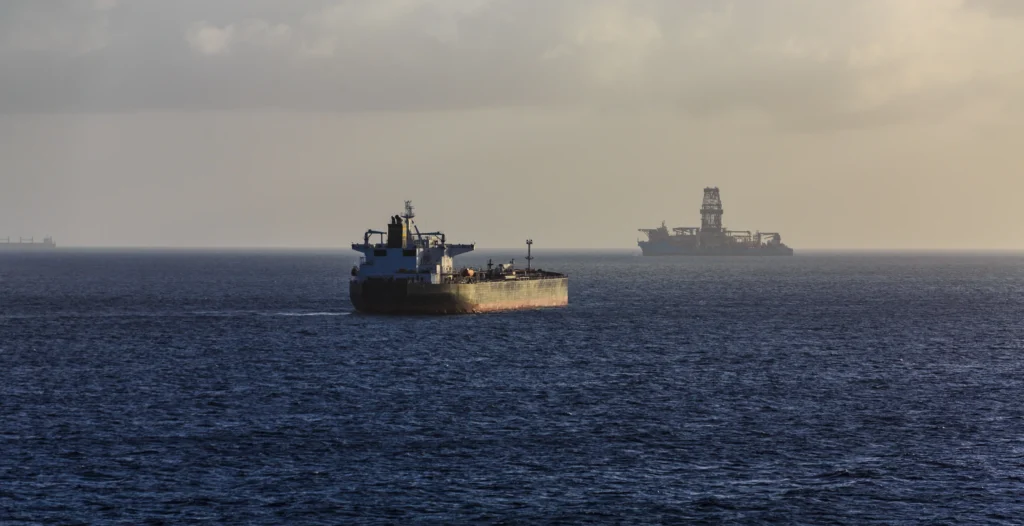
Tanker traffic through the Strait of Hormuz fell to its lowest level in five weeks following the renewed escalation of tensions between the United States and Iran. Maritime tracking data shows that only a few tankers crossed the route over the weekend, while several vessels stopped transmitting their location via the AIS system for security reasons.
The reduction in traffic also affected LNG carriers, which avoided crossing this strategic corridor. Maritime intelligence companies detected vessels sailing without visible identification and even possible cargo transfer operations between ships off the coasts of the United Arab Emirates and Oman. These measures reflect shipping companies' concerns about the increased risks to navigation in the area.
European gas rebounds due to tension in Hormuz
Natural gas prices in Europe surged after heightened tensions in the Strait of Hormuz reignited concerns about global liquefied natural gas (LNG) supplies. The benchmark TTF contract for August again climbed above €50 per MWh, driven by fears of potential disruptions on one of the most important shipping routes for energy trade.
Uncertainty increased following the reduction in maritime traffic in the region and the measures taken by Qatar to reinforce the security of its fleet and temporarily suspend some operations. The market is closely monitoring the country's ability to maintain its LNG exports, while Europe continues to fill its reserves in anticipation of winter and competes with Asia for available supply.
Eni and BMW are betting on renewable HVO diesel
Eni and the BMW Group have agreed to incorporate HVOlution diesel biofuel into their corporate fleets operating in Italy, Germany, and Austria. The program will begin with BMW vehicles in Italy and will use 100% pure HVO, a fuel produced by Enilive from renewable raw materials such as used cooking oil and animal fats. The vehicles will be able to refuel at a network of approximately 1,700 service stations.
As part of the agreement, BMW will implement a system to verify the fuel used at each refueling and ensure traceability of HVO consumption in its fleet. Furthermore, the manufacturer authorizes the use of this fuel in compatible diesel models sold since the end of 2014. According to Eni, the HVO produced by Enilive achieved an average reduction of 79.5% in CO₂ equivalent emissions over its lifecycle compared to conventional diesel.