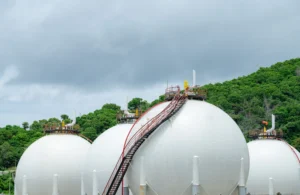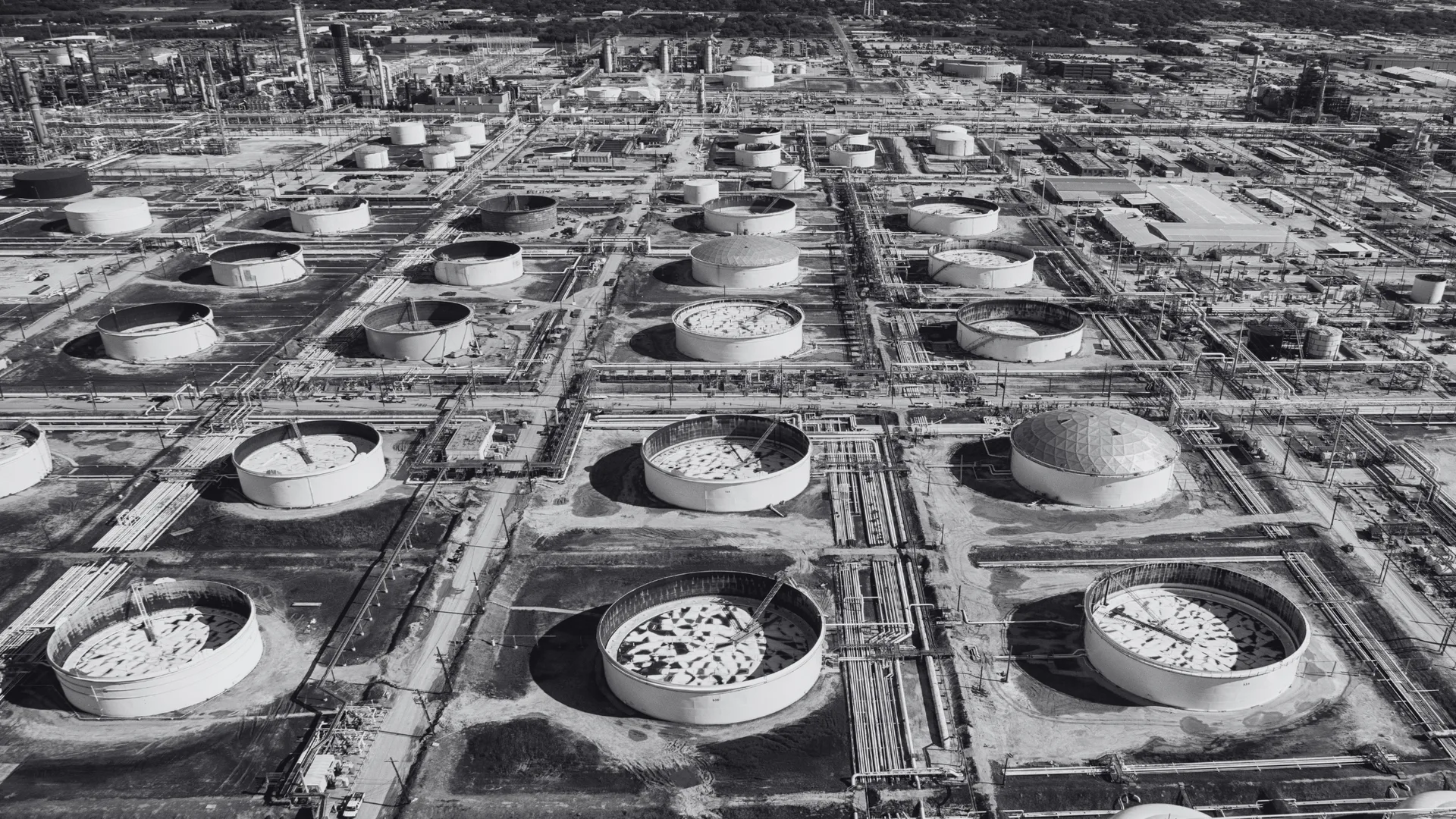
Regulatory compliance is no longer the finish line for storage tank operators; it’s the starting point. As environmental expectations tighten and operational demands grow more complex, the industry is being pushed toward a new standard defined by durability, adaptability, and long-term performance.
Emissions control, engineered materials, and infrastructure design are rapidly evolving, driven by the need to do more than simply meet requirements. Innovations in sealing systems and vapor barrier technologies are reshaping what’s possible, helping facilities reduce emissions, extend service life, and stay ahead of a regulatory landscape that continues to move.
As the next decade unfolds, the companies that will succeed are those capable of designing systems that anticipate future demands instead of reacting to them. The best tank solutions do not simply meet today’s standards, they are built to anticipate tomorrow’s requirements.
For operators in oil and gas, petrochemicals, refining, terminals, and bulk liquid storage, the challenge is clear: develop storage infrastructure that remains efficient, compliant, and reliable long after current regulations evolve.
Regulatory Pressure Is Only Increasing
Environmental regulations related to emissions, spill prevention, and containment continue to expand across the storage industry. The U.S. Environmental Protection Agency (EPA) continues to strengthen oversight regarding spill prevention, material composition, secondary containment, and emissions management for storage systems.
While many facilities focus on meeting current standards, regulatory trends suggest future requirements will demand:
• Lower emissions from storage tanks
• Greater leak detection capabilities
• Enhanced secondary containment
• Stricter material requirements
• Improved inspection and monitoring practices
Operators installing “minimum requirement” systems today may face costly retrofits or upgrades in the future.
Forward-looking facilities are increasingly prioritizing infrastructure that exceeds current compliance thresholds, helping reduce lifecycle costs and long-term operational disruptions.
Sustainability Is Becoming an Operational Requirement
Sustainability is no longer just a corporate initiative — it is becoming an operational expectation from regulators, investors, and customers alike.
Tank operators face increasing pressure to reduce emissions, minimize product losses, and improve environmental performance. This is especially relevant for terminals and facilities handling volatile organic compounds (VOCs), hydrocarbons, and hazardous materials.
The industry response is shifting toward smarter sealing technologies, improved vapor control, and systems designed to extend asset life while reducing environmental impact.
At Mesa Engineered Tank Products, this shift has driven the development of advanced sealing solutions such as FlexCore®, Armor Fabric™, and ClipLock®, engineered to improve emissions control, operational reliability, and longterm maintenance performance.
Recent industry coverage highlighted that Mesa’s FlexCore® liquid-mounted seal can improve emissions control by 70% compared to traditional mechanical seals.
This type of performance improvement is becoming increasingly valuable as facilities seek to balance compliance, sustainability goals, and operational efficiency.
Material Innovation Will Define the Next Generation of Tanks
The next decade will also bring significant advancements in tank materials and component engineering.
Historically, most storage systems were designed primarily around strength and cost efficiency. Today, operators evaluate materials through a much broader perspective that includes:
• Material composition
• Chemical compatibility
• Emissions performance
• Maintenance frequency
• Lifecycle cost
• Environmental durability
Advanced vapor barrier systems, high-performance materials, and improved sealing technologies are becoming increasingly important in modern tank design.
The goal is no longer simply preventing failure. The objective is extending service life while reducing downtime, emissions, and maintenance costs.
Facilities are also showing growing interest in modular and adaptable solutions capable of evolving alongside changing regulations and operational requirements.
This shift is especially important as aging infrastructure across North America faces increasing operational demands. According to EPA data, hundreds of thousands of storage systems remain in operation nationwide, many requiring upgraded prevention and containment strategies.
Material Longevity and Lifecycle Performance
As tank operators prepare for the next decade, longevity is becoming increasingly important alongside compliance and emissions performance. Exposure to hydrocarbons, UV radiation, temperature fluctuations, and chemical stress can accelerate wear, leading to higher maintenance costs, emissions concerns, and unplanned downtime.
Mesa Engineered Tank Products’ Armor Fabric™, FlexCore®, Armor-Clad®, and Resist-All-Clad® systems were developed with long-term durability in mind. These custom-engineered tank products are designed to maintain sealing performance and structural stability in demanding storage environments while resisting weather exposure, chemical attack, and long-term degradation.
For floating roof applications, consistent component performance is essential for maintaining emissions control and reducing maintenance frequency. Sealing technologies such as FlexCore® can also help accommodate normal tank movement and thermal expansion, improving long-term reliability compared to more rigid mechanical systems.
As operators assess aging infrastructure and evolving fuel storage requirements, durable engineered products are becoming an increasingly important component in reducing lifecycle costs and extending the operational life of tank farms.
Designing Beyond Compliance
The future of storage infrastructure belongs to facilities willing to think beyond baseline compliance.
The next decade will reward operators who invest in resilient, adaptable, and environmentally responsible systems designed for long-term performance — not just short-term approval.
As regulations evolve and sustainability expectations continue rising, the industry’s most successful companies will be those building storage solutions prepared for what comes next.
In modern tank design, remaining compliant is no longer enough.
References
1. U.S. EPA Aboveground Storage Tanks Guidance
2. U.S. EPA Underground Storage Tank Regulations
3. U.S. EPA Release Prevention for USTs
4. Mesa Industries NISTM 2026 Coverage on Inspenet
5. U.S. EPA PFAS Strategic Roadmap
6. Mesa ETP Custom Engineered Tank Products
This article was developed by specialists from Mesa ETP and published as part of the eighth edition of Inspenet Brief magazine July 2026, dedicated to technical content of the energy and industrial sector.