

HSAW and LSAW Ultrasonic Inspection: removing bottlenecks
Optimize inline ultrasonic inspection of HSAW and LSAW pipes with Phased Array and TPAC Explorer.
Optimize inline ultrasonic inspection of HSAW and LSAW pipes with Phased Array and TPAC Explorer.
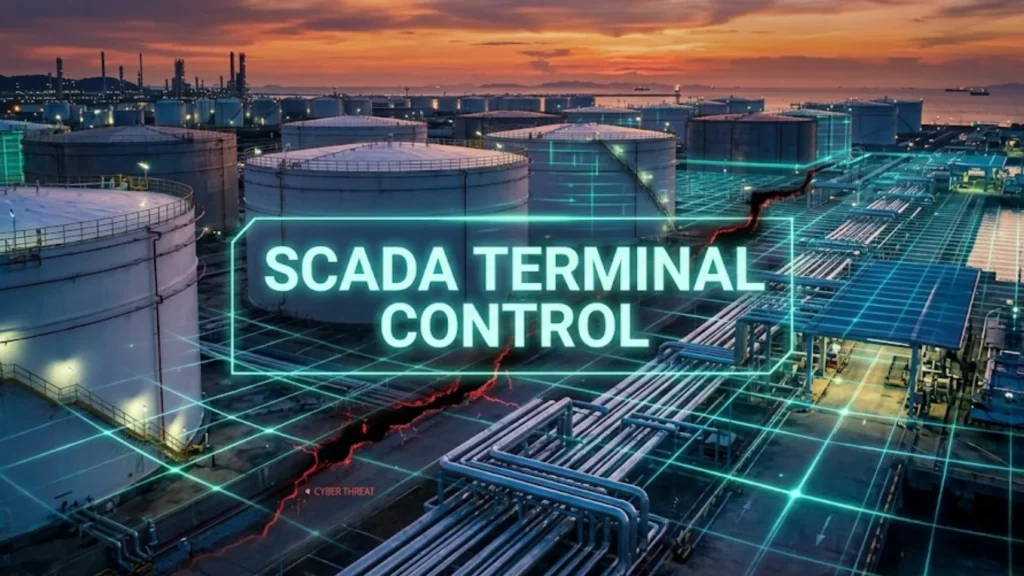
Learn about the risks faced by SCADA systems at terminals and strategies for strengthening OT industrial security.

How PTFE improves sealing in valves and gaskets, reduces industrial leaks, and supports critical asset integrity systems.

To avoid regulatory delays, EirGrid hired Fugro to conduct an environmental assessment of its offshore wind project.
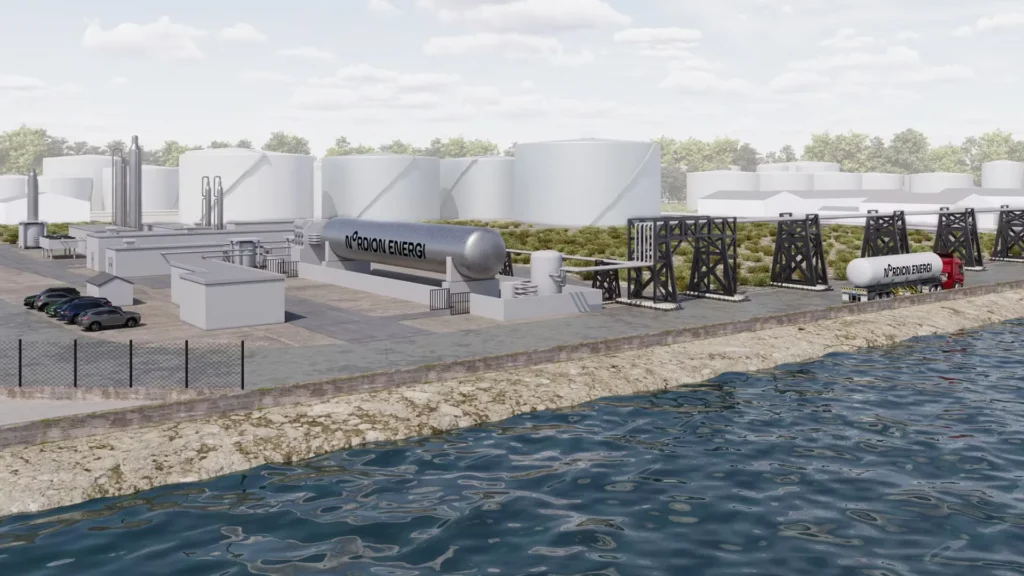
Construction of the new liquefied biogas plant at the Port of Gothenburg will boost the supply of clean energy for maritime transport by 2027.
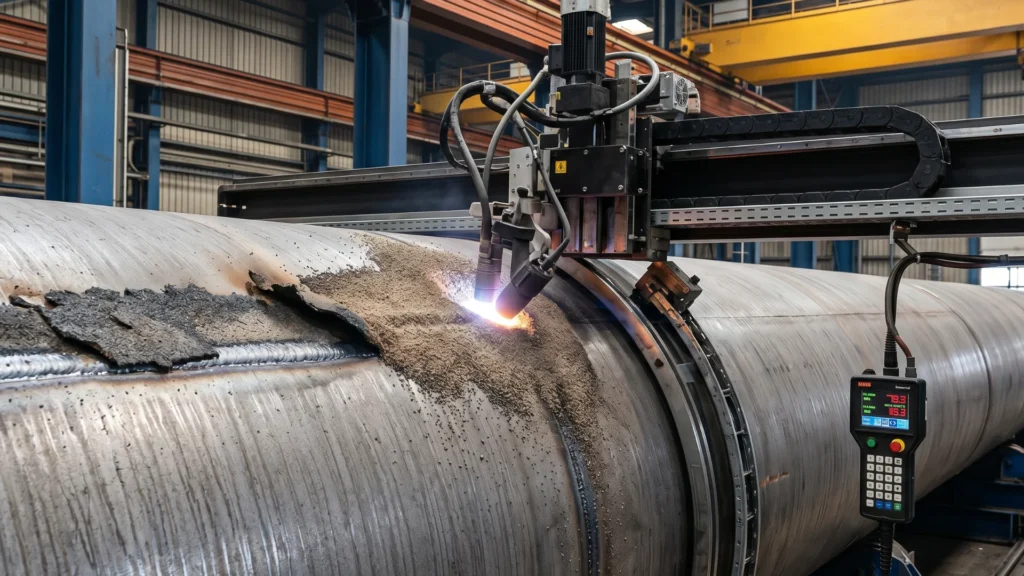
SAW welding is essential for large-diameter pipes due to its productivity, repeatability, and weld bead control.
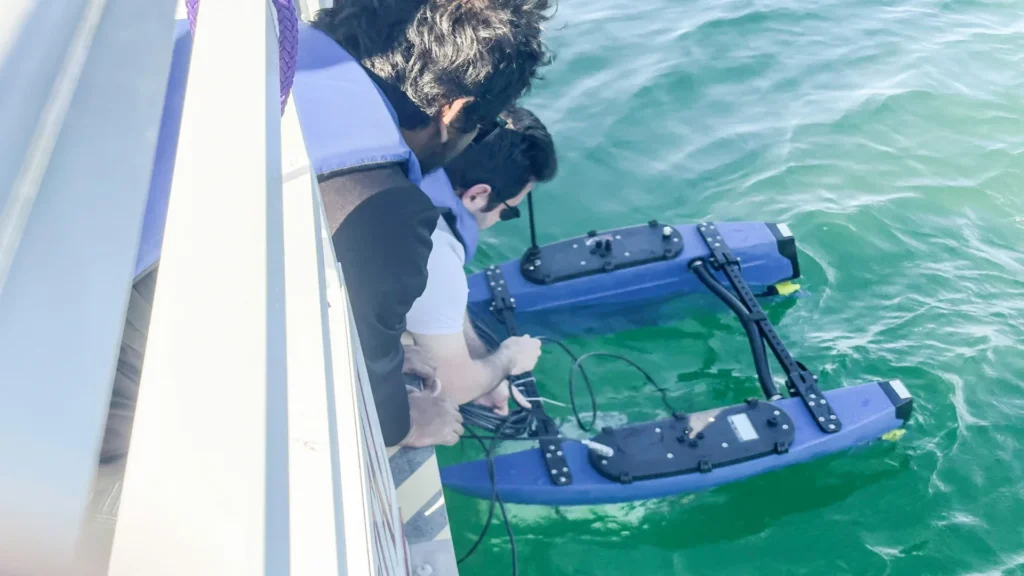
Engineers at the University of Florida have developed a low-power system to optimize communication among marine robots.
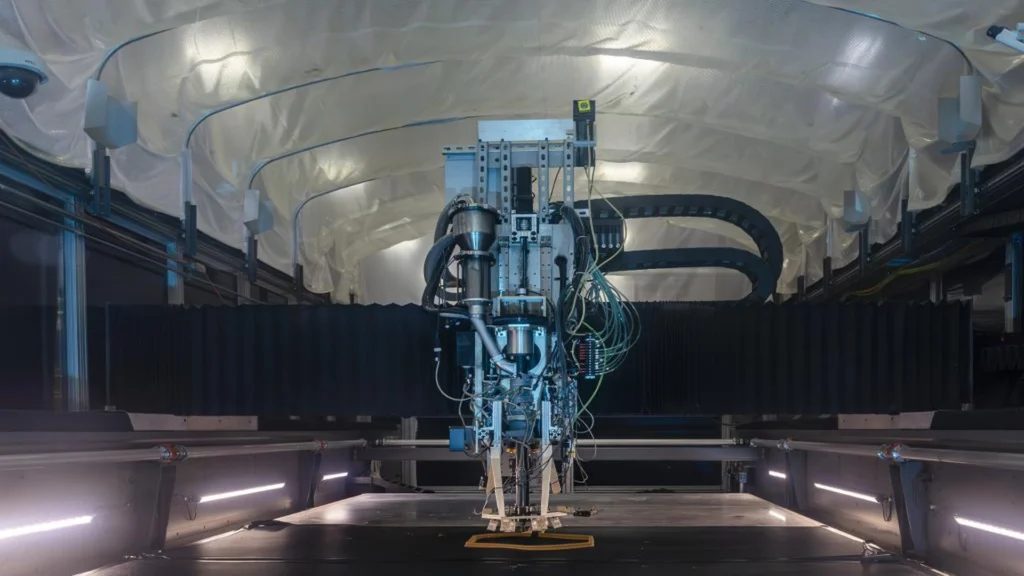
Researchers at ORNL developed an automated system using sensors and digital twins to optimize thermal control in additive manufacturing.

The price at the pump does not solely depend on the international market value of crude. When oil reaches $120 per barrel, the refining, transport, distribution, tax, and subsidy chain redefines the final fuel cost, exposing critical challenges for energy infrastructure.

Technical analysis of energy security, grid resilience and decarbonization amid structural growth in electricity demand.
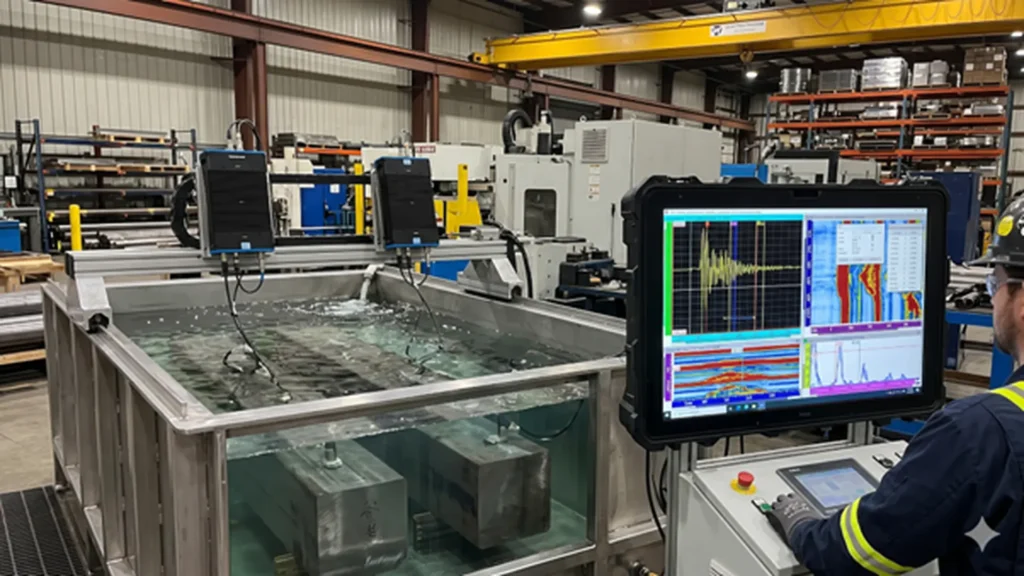
How immersion ultrasonic inspection improves quality assurance, traceability, and the reliability of critical materials.
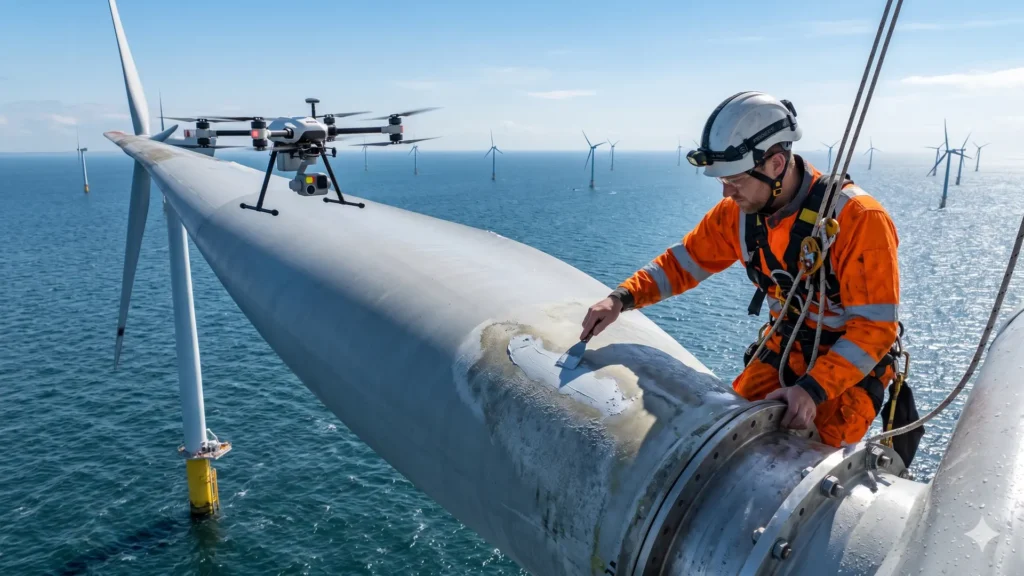
Wind turbine blades face challenges like rain erosion and the need for leading edge protection. Learn how maintenance and repair strategies maximize the service life of turbines.