

U.S. Oil Labor Market Enters a Stabilization Phase
The U.S. oil labor market enters a stabilization phase as operational efficiency, automation, and the dynamism of Texas redefine upstream employment.
The U.S. oil labor market enters a stabilization phase as operational efficiency, automation, and the dynamism of Texas redefine upstream employment.
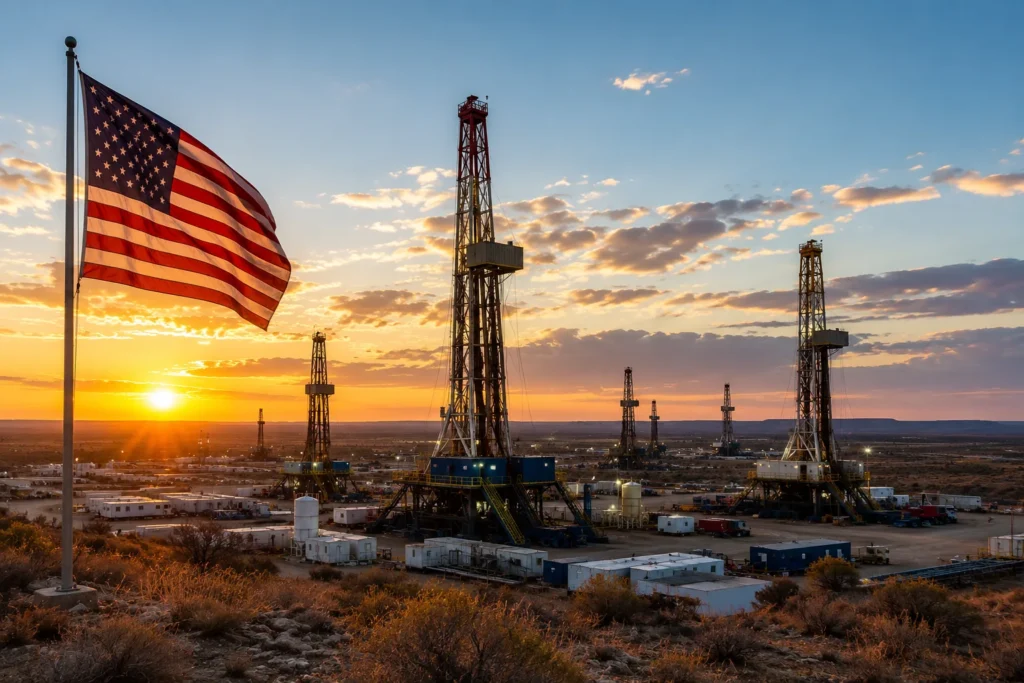
In recent years, the industry has managed to increase productivity through higher-capacity rigs, horizontal drilling, automation, advanced data analytics, and continuous improvements in operational efficiency.
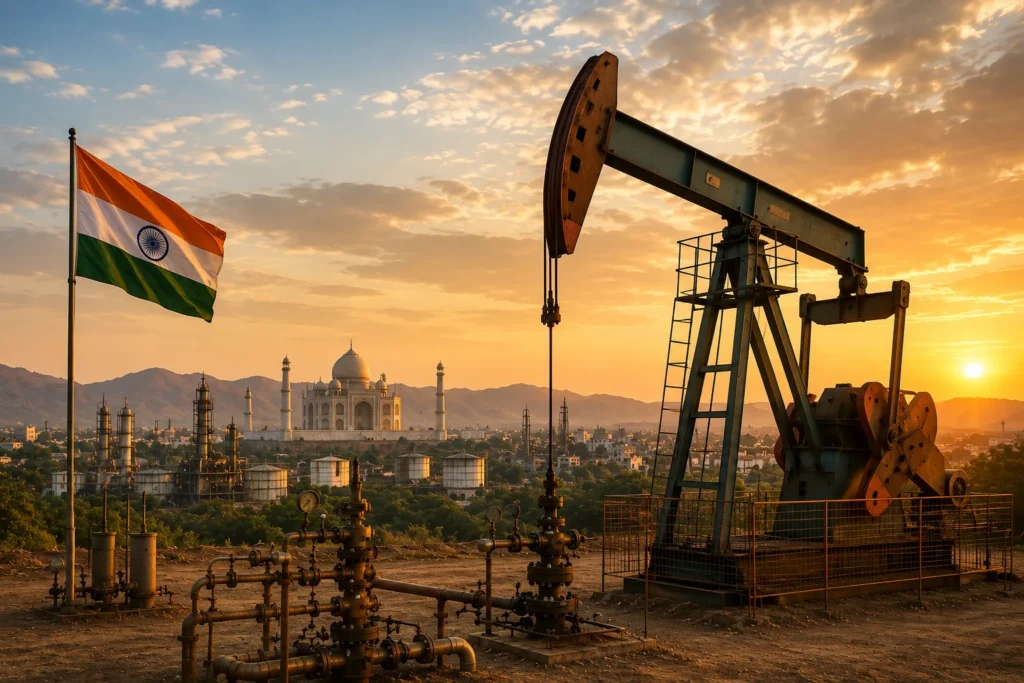
Strengthening domestic production has become a strategic priority for India, one of the world’s largest energy consumers.
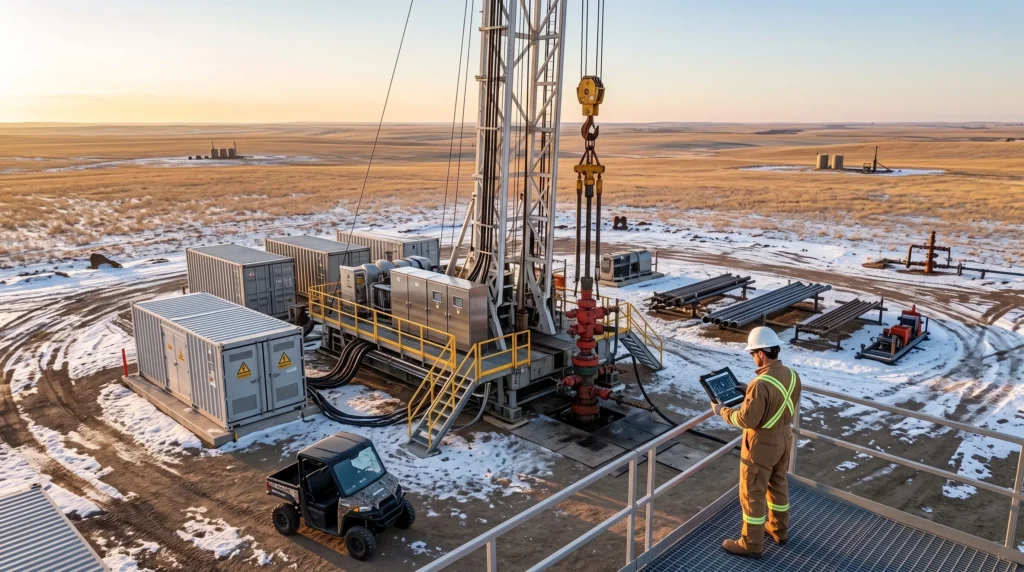
Well intervention incorporates a new generation of hybrid workover rigs that drive energy efficiency, automation, and modernization of oilfield services in the upstream sector.
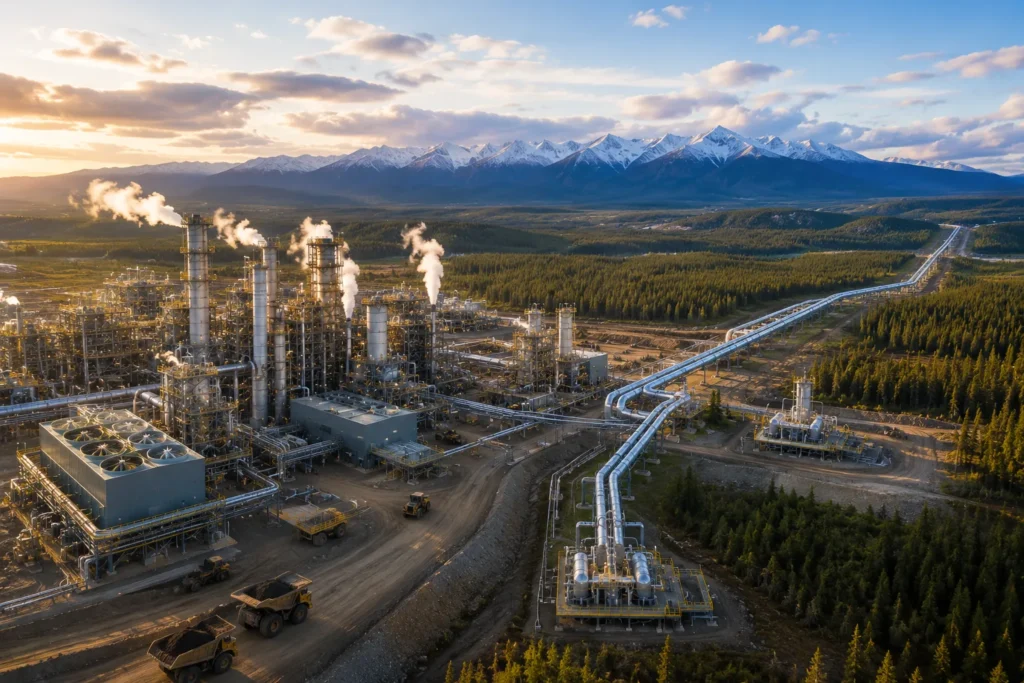
In recent years, Canada has stepped up its efforts to develop infrastructure capable of handling large volumes of carbon dioxide from industrial and oil operations.
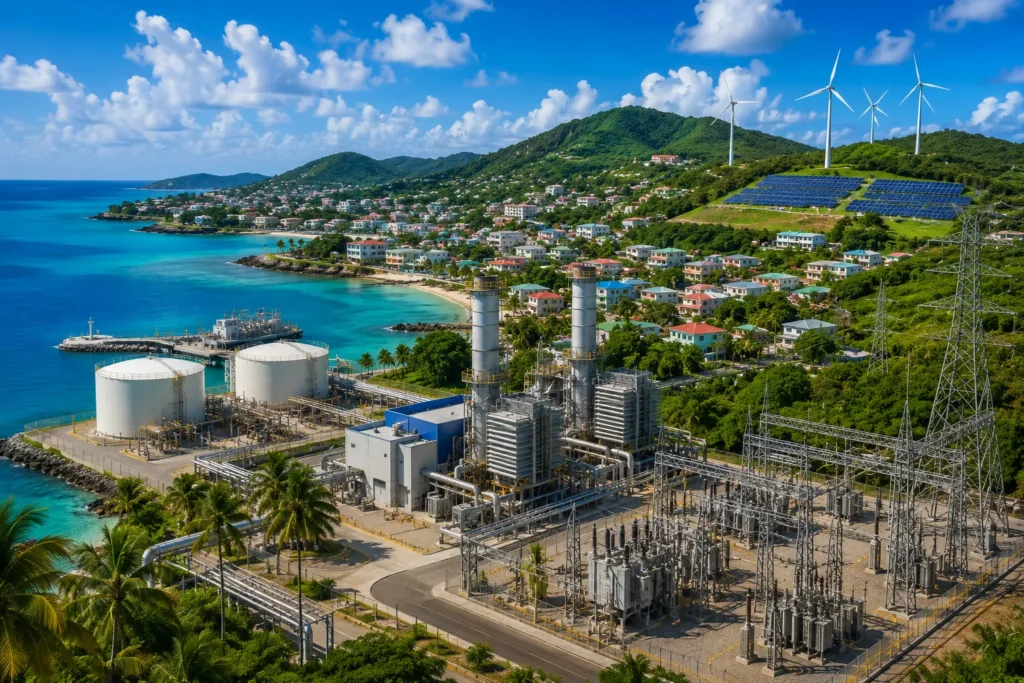
The energy transition in the Caribbean advances through new investments in natural gas and energy infrastructure aimed at strengthening supply security, modernizing power generation, and accelerating the diversification of the regional energy matrix.
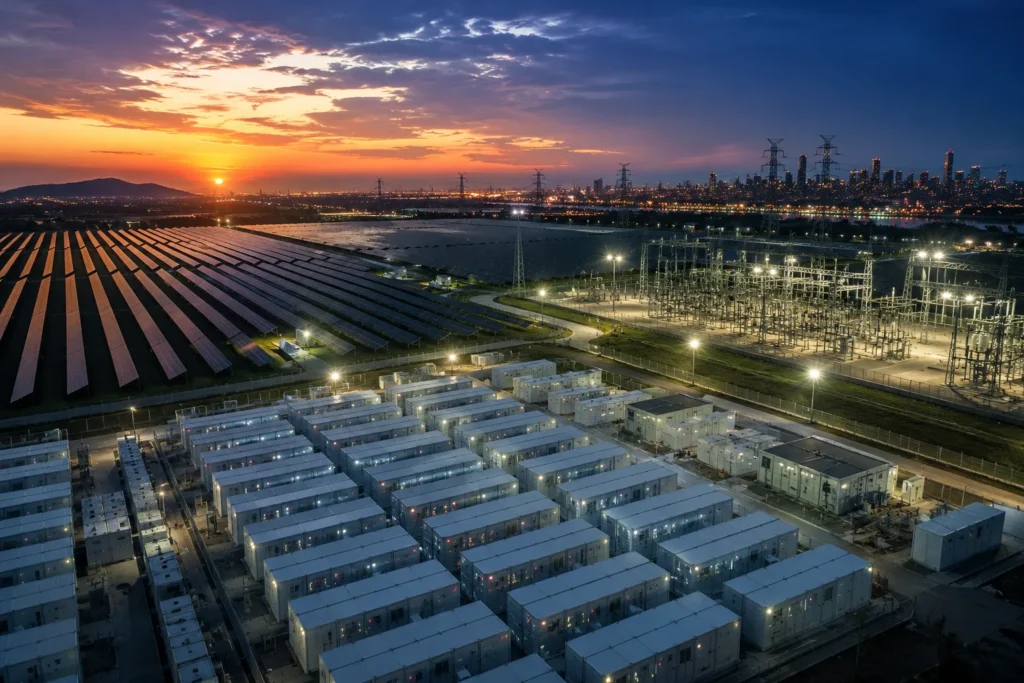
24/7 renewable energy drives a new generation of projects that combine solar generation and storage to offer continuous supply and transform global electrical infrastructure.

Energy volatility is redefining the strategy of integrated oil companies, which are turning to diversification, operational efficiency, and risk management to maintain their competitiveness in an increasingly uncertain market.
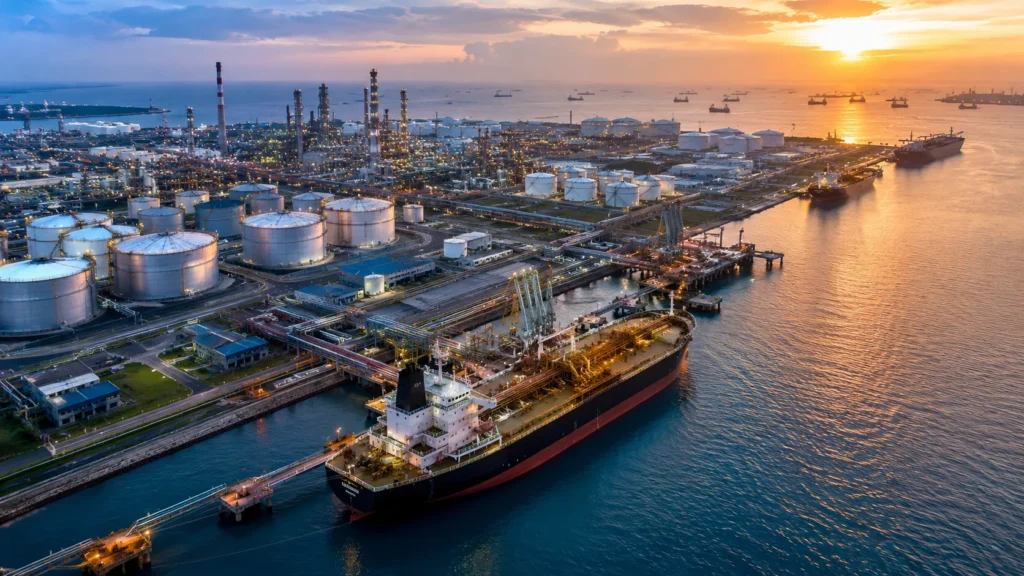
International diesel trade has ceased to rely on traditional export and import patterns to adapt to a more dynamic environment.

A detailed analysis of the technical fundamentals of post earthquake inspection and structural assessment of critical infrastructure.
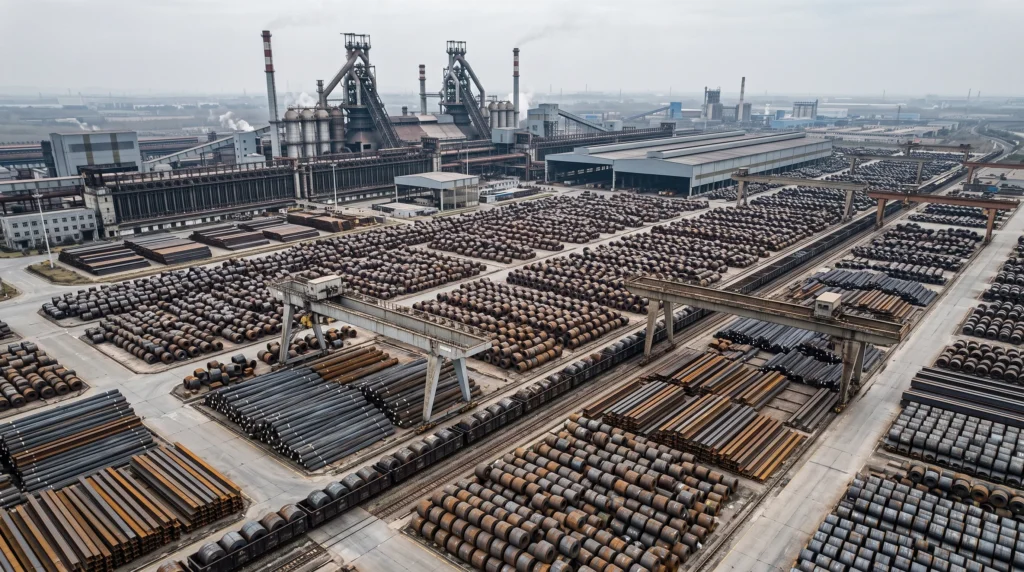
In recent years, Chinese steel mills have maintained high production levels to keep facility utilization high and preserve the competitiveness of their operations.
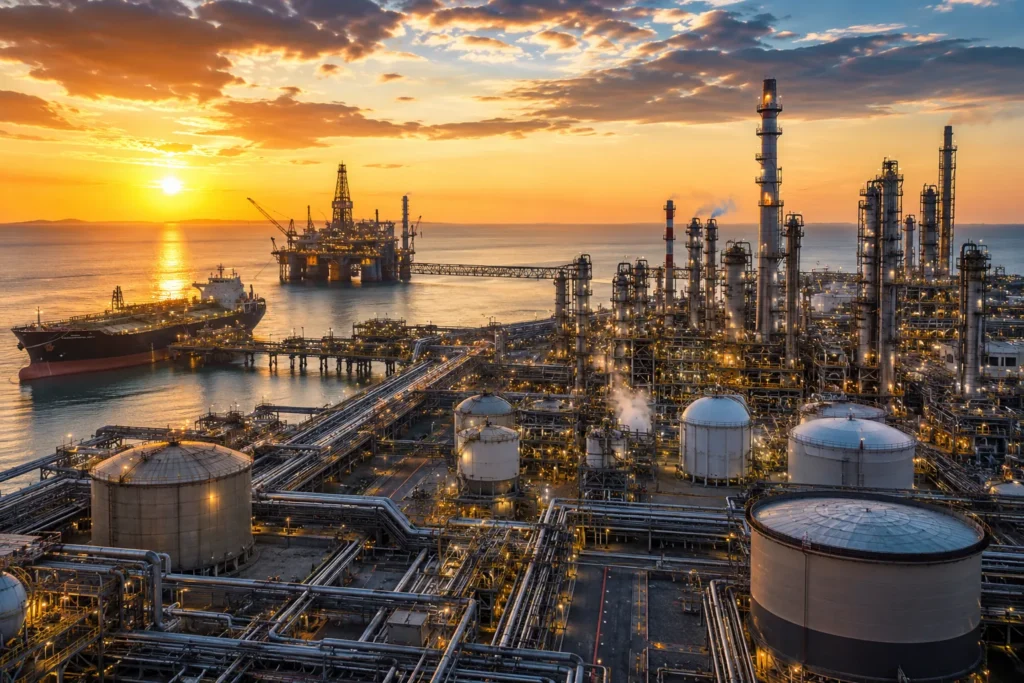
For years, the profitability of major oil companies was closely linked to fluctuations in international crude oil prices.