Corrosion control in refineries with predictive models
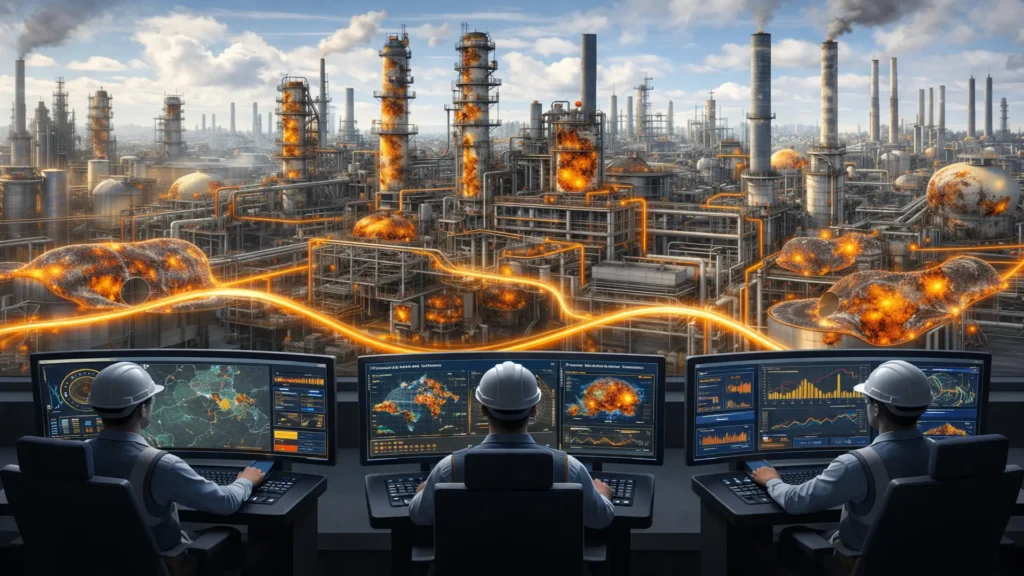
Using predictive models, organizations are moving toward proactive maintenance that ensures structural integrity and process continuity.

Using predictive models, organizations are moving toward proactive maintenance that ensures structural integrity and process continuity.

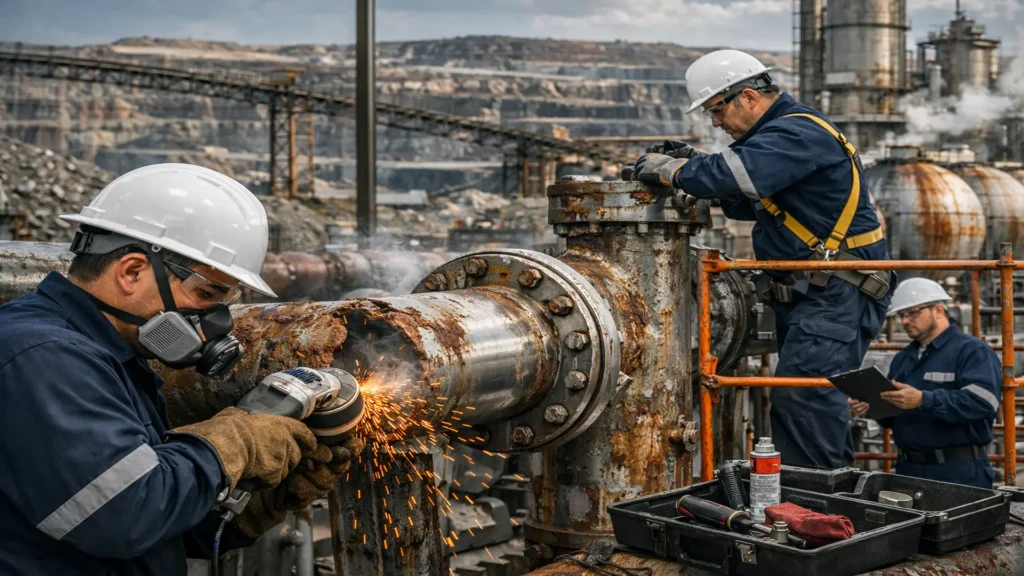
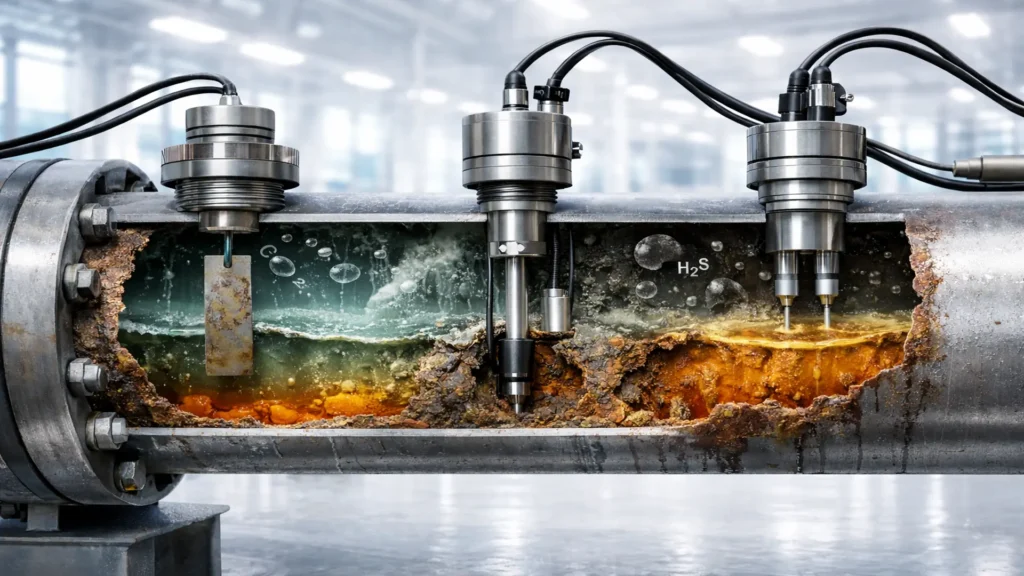
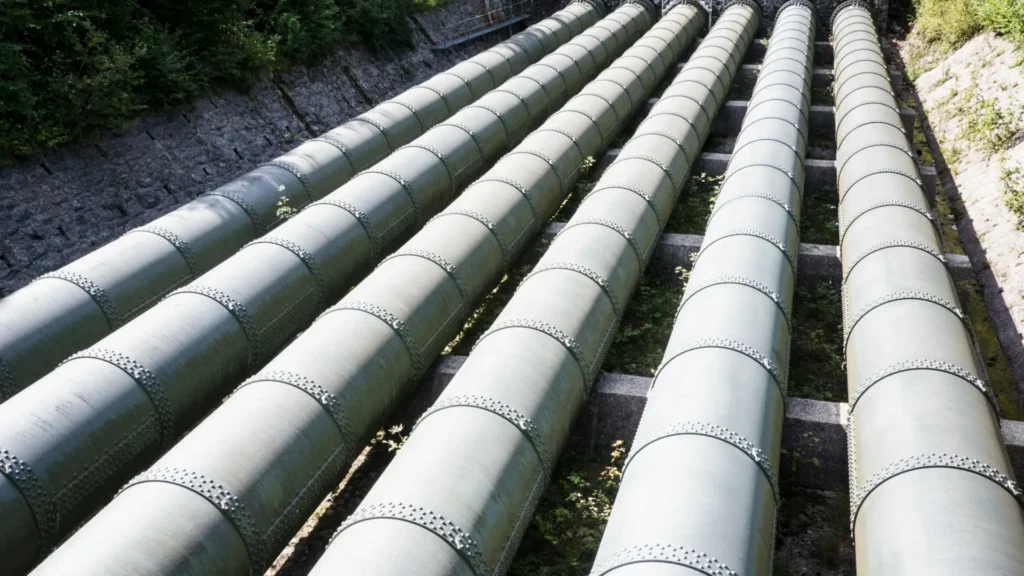
Internal pipeline corrosion affects the integrity of industrial assets and is a costly process influenced by temperature and pressure.

Failure analysis on metallic materials is a technical process that combines corrosion, fractography, metallography, and root cause diagnosis to identify the origin and progression of failures,…

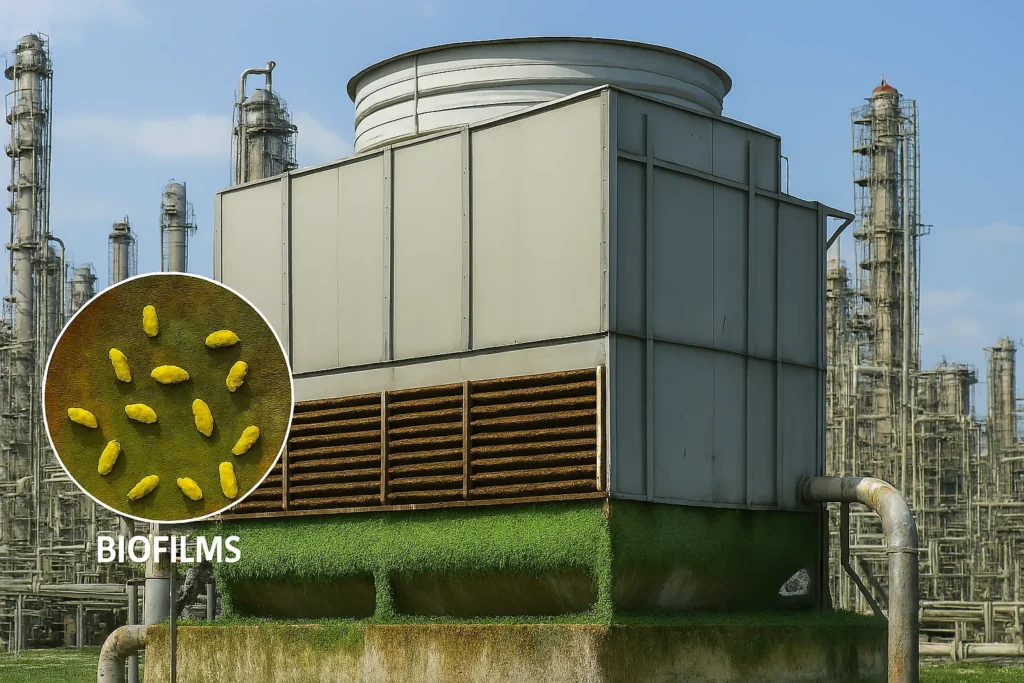
The combination of pH variations, dissolved gases, and microbiological activity in cooling systems generates corrosion and deposits that affect mechanical integrity and thermal efficiency.

Prevent career corrosion by building resilience, setting boundaries, and using continuous improvement to keep your growth alive.

AMPP tackles corrosion in CO₂ with guideline 21532-2023, protecting critical assets in clean technologies.

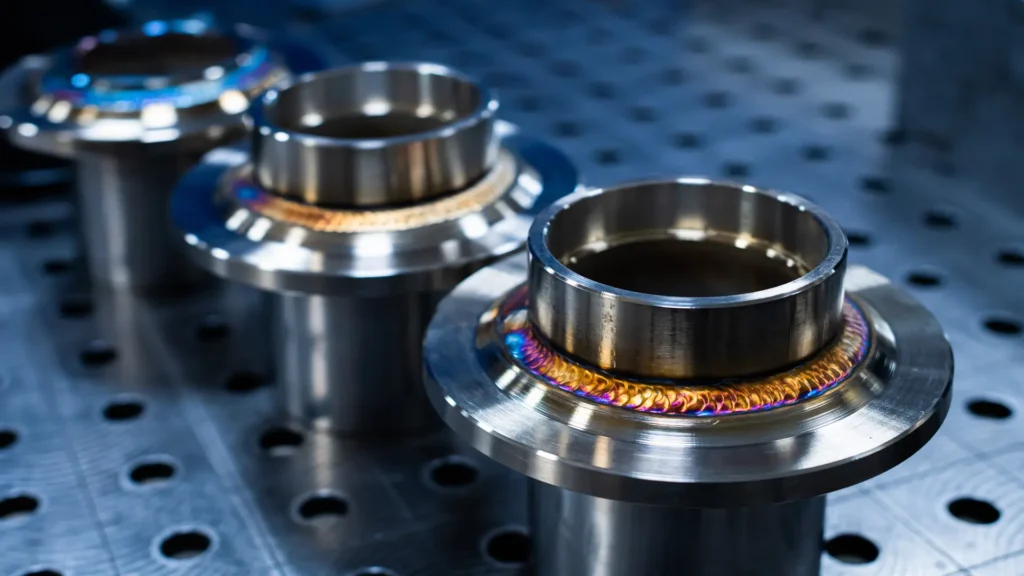
This topic discusses the vulnerability of welded 316 stainless steel joints to Stress Corrosion, analyzing how microstructural heterogeneity, residual stresses, and thermal sensitization affect strength.

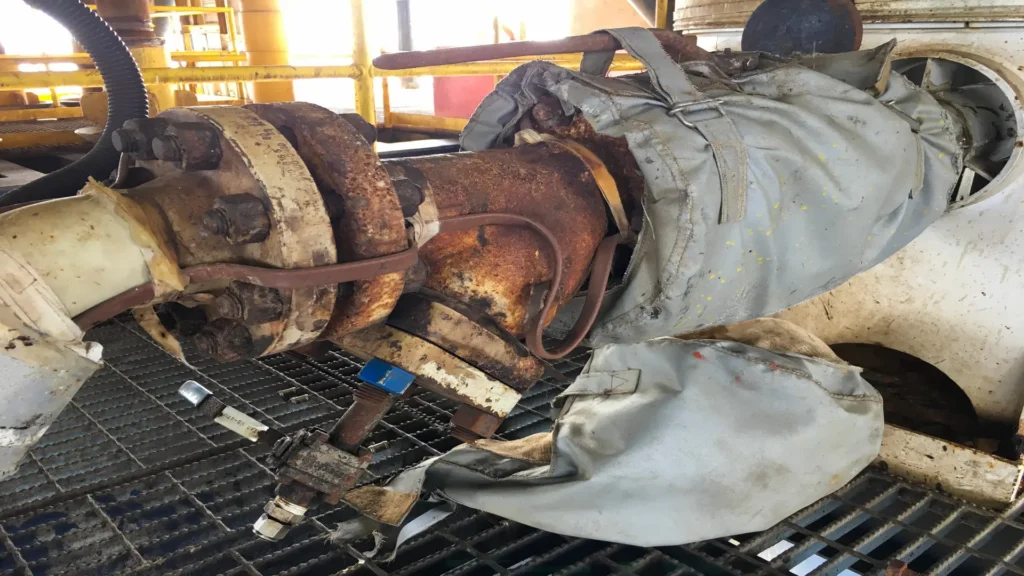
Protective coatings are necessary against corrosion under insulation (CUI), ensuring the integrity and operational safety of industrial equipment.

Filmogenic amines provide corrosion protection without physical coatings in aqueous systems.

Pipeline corrosion is a challenge in the oil and gas industry. Preventing it ensures operational integrity and prolongs asset life.