Table of Contents
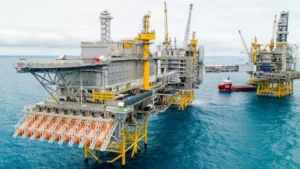
As part of the energy expansion strategies in the North Sea, Worley Rosenberg has been awarded a contract by Subsea7 for the fabrication of subsea structures for the Fram Sør field.
The shipyard located in Stavanger will immediately undertake the engineering and construction of a total of 34 specialized subsea structures. Key components include pipeline end manifolds, pipeline end terminations, and pig launchers and receivers.
The fabrication of subsea structures and its impact on Norway
Operational activities in the Norwegian workshops will begin this month with preliminary tasks, while the first steel cut is scheduled for June of this year. Logistics and technical planning estimate that the final delivery of all equipment will take place during the first half of 2027.
In this regard, the execution of the work will require the deployment of a workforce exceeding 80 skilled employees during the phases of highest operational intensity. Jan Narvestad, Managing Director of Worley Rosenberg, expressed the significance of this commercial agreement for the Stavanger terminal and reaffirmed the organizational commitment to the efficient development of the project. The work will range from initial administrative management to complex metallurgical processes in the workshops.
Furthermore, this order aligns with the growing trend of subsea tie-backs on the Norwegian Continental Shelf, where between 50 and 75 similar infrastructures are projected to be completed by 2035. This outlook represents a sustained market for supplier companies in the region, consolidating the shipyard’s competitive position thanks to its technical capacity in topside and subsea systems.
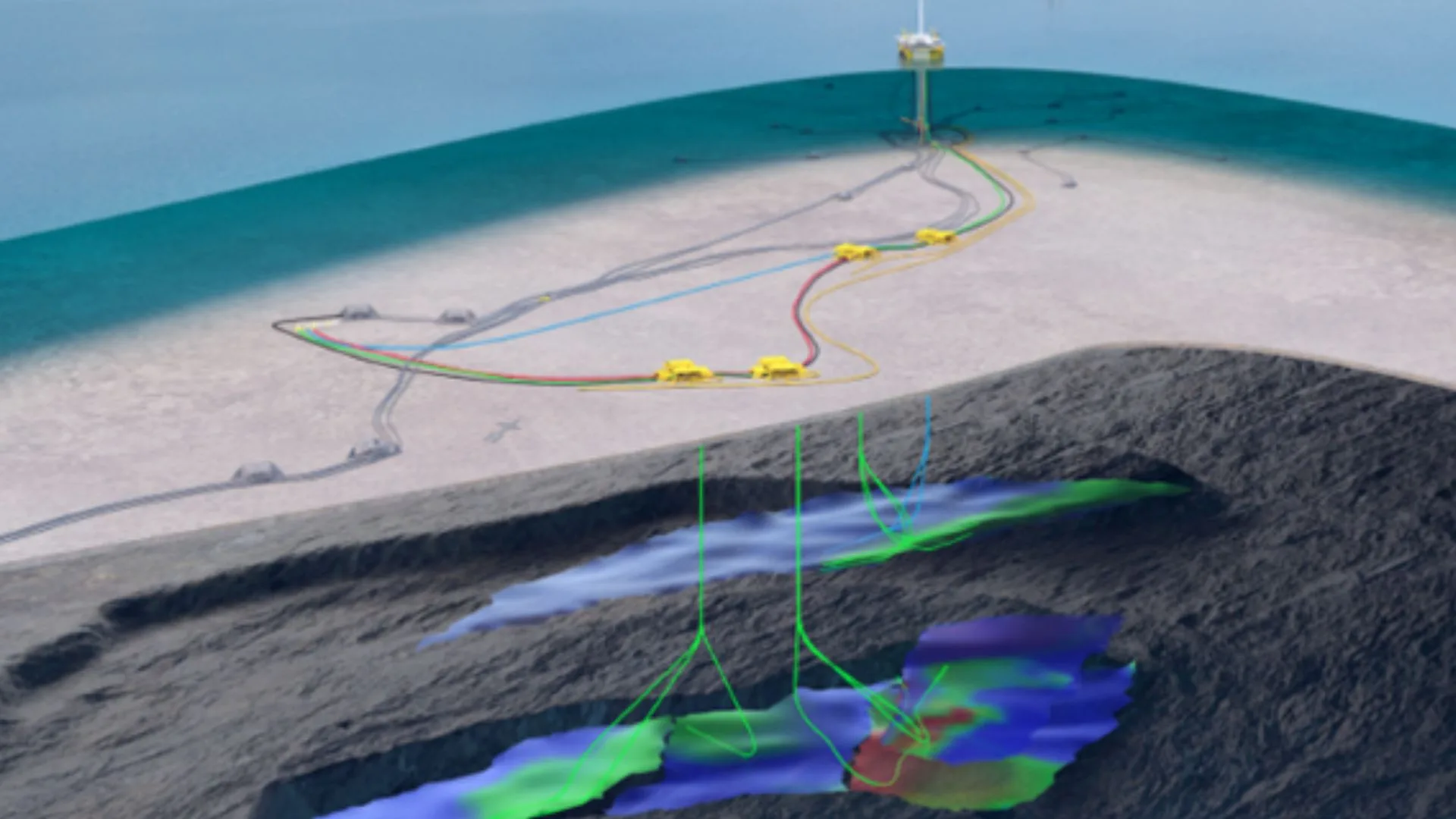
Regarding the technical specifications of the field operated by Equinor, Fram Sør features a subsea system configured with four templates and an initial drilling program of twelve wells. The extracted crude will be transported to the Mongstad terminal via the Troll II pipeline, while natural gas will be sent to Kollsnes through the Troll A platform facilities.
Finally, the development scheme will leverage tie-backs with the existing facilities of the Troll C platform, a structure that operates with electrical power supplied from shore. This clean power mechanism ensures that the processing and export of hydrocarbons are carried out under strict environmental optimization standards, reducing gas emission volumes during the active production phase.
Source and photo: Worley