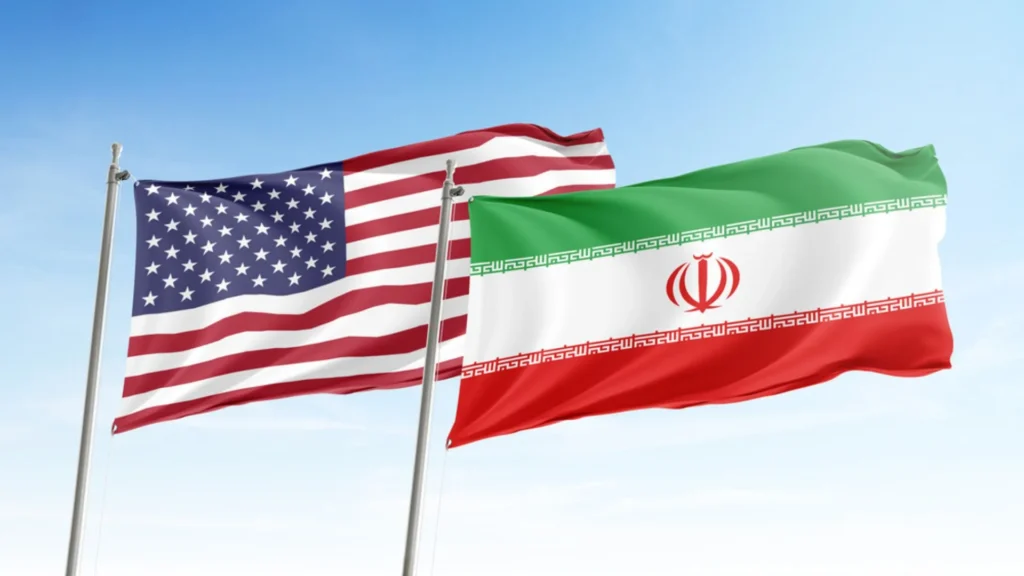
The potential restart of talks between the United StatesIran once again places the global energy market at the center of the stage. Following the failure of weekend negotiations in Islamabad, both parties are maintaining diplomatic channels open while the maritime blockade imposed by Washington adds pressure to the conflict.
US-Iran talks to reactivate amid blockade
According to sources close to the process, delegations from both countries could return to Pakistan in the coming days. Although there is no confirmed date, the exchange of proposals suggests that negotiations remain active.
Furthermore, this rapprochement occurs in an especially delicate context. This is the most significant dialogue between both nations in decades, marked by differences over the Iranian nuclear program and control of the Strait of Hormuz.
The maritime blockade as a pressure tool
In parallel, the United States has initiated a blockade on Iranian ports, a measure that seeks to influence Tehran’s position at the negotiating table. This action is in addition to the partial closure of the Strait of Hormuz by Iran, a key waterway through which nearly 20% of the world’s oil used to transit.
Likewise, the restriction of maritime traffic has heightened tension in the region, with cross-warnings about possible reprisals and risks to the safety of international navigation.
Immediate impact on the oil market
The energy market has reacted with volatility to these events. Although the fear of a supply disruption initially drove crude prices up, expectations of a resumption of dialogue have helped stabilize them below $100 per barrel.
On the other hand, international organizations have adjusted their forecasts. Uncertainty regarding oil supply and gas is affecting both global supply and demand, in a context of growing economic pressure.
Nuclear tensions and agreement conditions
One of the main points of friction remains the Iranian nuclear program. Washington insists on the elimination of enriched material and the implementation of strict verification mechanisms.
Meanwhile, Tehran seeks a broader agreement that includes sanctions relief and access to frozen assets. These differences have hindered concrete progress, although both parties acknowledge certain advances in the dialogue.
A ceasefire under pressure
The current ceasefire, in effect for a week, remains fragile. Threats to port infrastructure and the military deployment in the area maintain the risk of an escalation.
In this scenario, the potential resumption of talks appears as a key factor in reducing tensions and stabilizing both the region and the global energy market.
Source: Reuters
Photo: Shutterstock