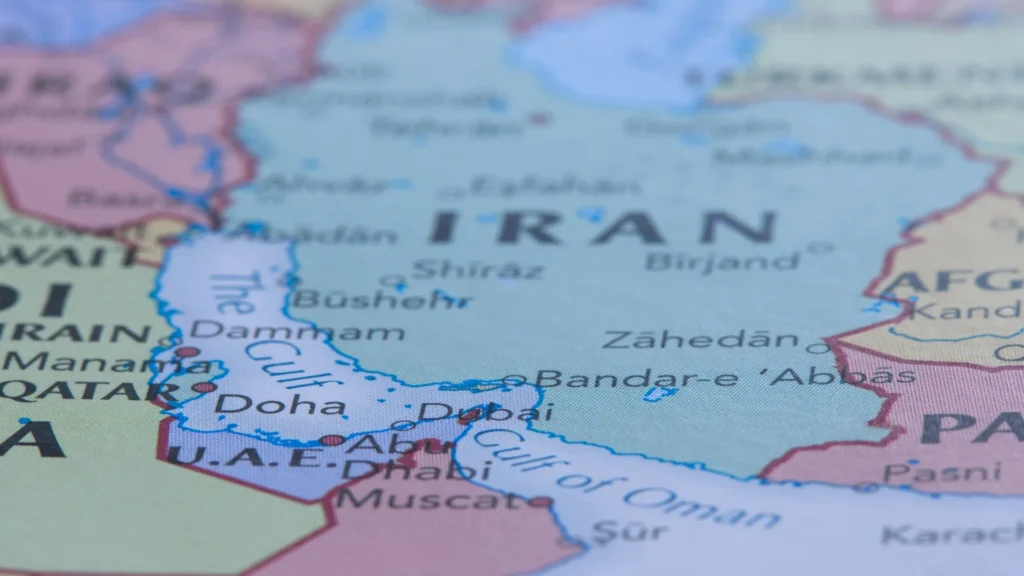
Oil prices posted a sharp rebound this Monday as they surpassed $102 per barrel, driven by the United States’ decision to block maritime traffic linked to Iran in the Strait of Hormuz. The measure follows the failure of peace negotiations between the two countries and increases uncertainty in the global energy market.
Specifically, Brent crude futures rose 7.7% to $102.52 per barrel, and West Texas Intermediate (WTI) gained 7.9%, reaching $104.22. Likewise, physical oil prices are already trading at significant premiums to futures contracts, underscoring growing pressure on actual supply.
How the conflict is impacting oil prices
The increase in oil prices is directly related to escalating tensions between Washington and Tehran, which, after weeks of inconclusive talks, led the U.S. government to announce the deployment of its Navy to block Iranian ports.
From Iran, the Revolutionary Guard warned that any military presence in the Strait of Hormuz will be considered a violation of the current ceasefire. This stance increases the risk of a broader conflict in the region.
OPEC adjusts forecasts amid uncertainty
Meanwhile, OPEC has revised downward its forecast for global oil demand for the second quarter, reducing it by 500,000 barrels per day. This decision reflects the impact of the conflict in the Middle East and market volatility.
Likewise, OPEC+ group production has shown a decline, contributing to increased pressure on available supply.
Outlook: volatility and pressure on the market
Energy sector analysts warn that the oil price could remain elevated in the short term if the U.S. blockade is consolidated. The potential convergence between physical and financial crude markets adds a new level of uncertainty.
If this scenario persists, the global energy market will face a period marked by volatility, higher crude prices, and increased geopolitical risk.
Source: Reuters