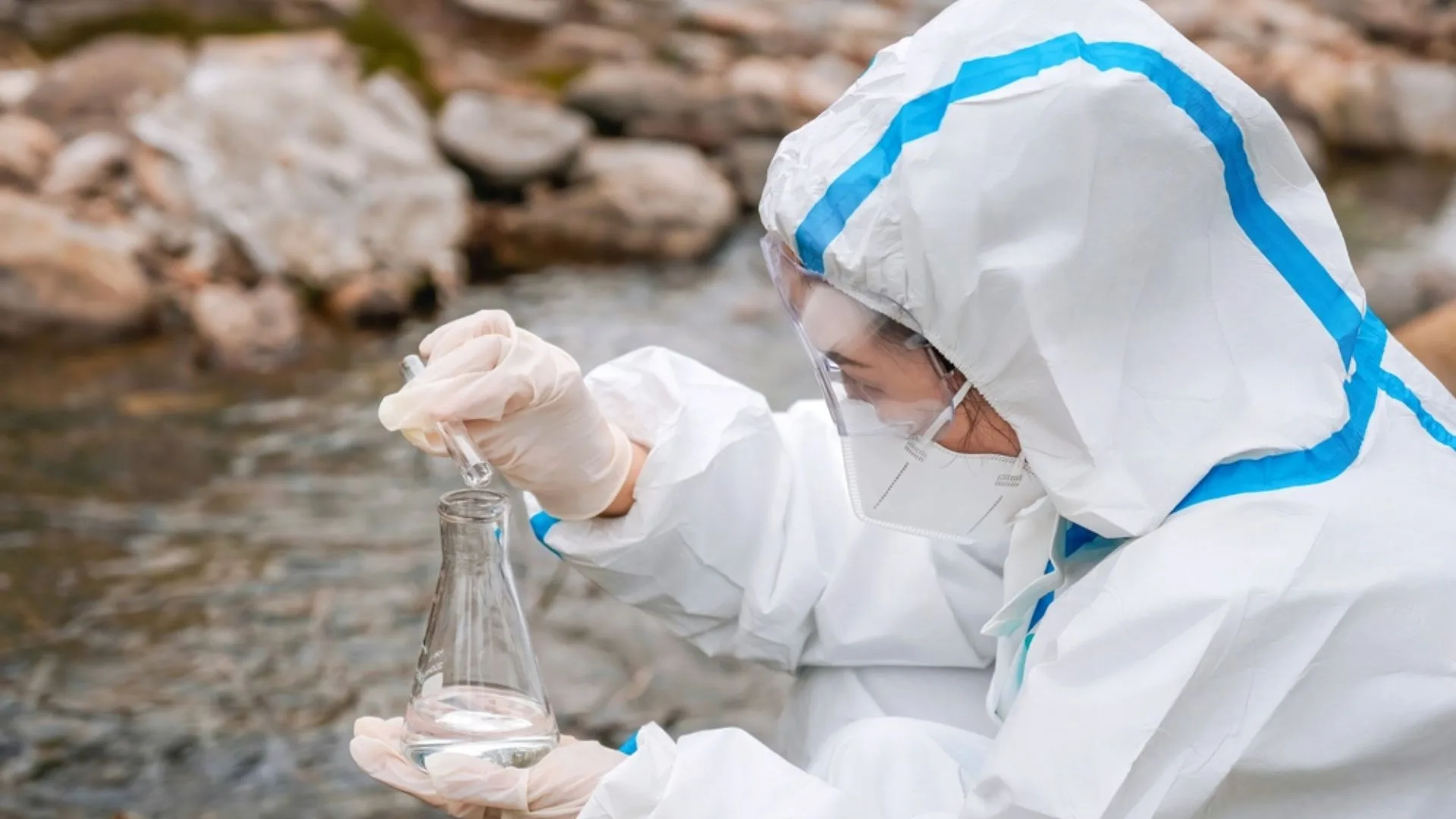
The management of mining wastewater could benefit from new scientific tools thanks to an international project promoted by Urenco and coordinated by the International Atomic Energy Agency (IAEA). The initiative aims to improve the understanding and performance of constructed wetlands as a sustainable alternative for treating effluents from extractive activities.
Currently, the mining industry faces significant challenges related to water management and pollutant reduction. In this context, constructed wetlands have gained importance as systems capable of harnessing natural biological and geochemical processes to purify contaminated water.
The role of constructed wetlands in mining
Several studies conducted by the IAEA have shown that sugarcane fields used in constructed wetlands can retain up to 95% of certain pollutants present in wastewater. This capacity has made these systems an attractive alternative for the mining industry and other sectors seeking low-impact environmental solutions.
In addition to their efficiency, constructed wetlands stand out for their sustainable nature and for requiring lower levels of technological intervention compared to other conventional treatment methods.
Radioactive tracers to optimize water treatment
The research, initially funded by Urenco, is part of an IAEA Coordinated Research Project (CRP). Its main objective is to analyze how radioactive tracers can be used to more accurately understand the behavior of water within constructed wetlands.
Using this technique, researchers evaluate the flow of liquids at strategic points in the system; the data obtained allows them to identify areas of preferential circulation, retention areas, and possible optimization opportunities to increase the removal of contaminants.
Likewise, the information generated will contribute to the design of more efficient facilities for the treatment of wastewater associated with uranium mining and mineral processing.
Extensive international participation in the project
The interest generated by the initiative was reflected in the response from IAEA member states; a total of 37 countries submitted formal applications to participate in the project, and 21 proposals were ultimately selected.
As a result, five research agreements and 16 research contracts were established to develop specialized studies on the performance of artificial wetlands and the application of radioactive tracers.
The first Research Coordination Meeting was held in Vienna between November 3 and 7 last year, bringing together specialists and organizations involved in the development of the program.
A nature-based solution for wastewater management
Project leaders believe the results will strengthen the use of nature-based solutions within the mining industry. The ultimate goal is to have safer and more effective alternatives for treating contaminated water.
Robert Little, director of the Urenco Group’s sustainability program, highlighted that the company is pleased to support research aimed at finding new solutions for wastewater management in mining operations, including those linked to uranium mining.
For her part, Tzanka Wheldon, director of the IAEA’s Division of Physical and Chemical Sciences, noted that constructed wetlands represent a cost-effective and ecological alternative for removing contaminants present in mine waters through natural processes.
The completion of the project is expected to expand scientific knowledge about these systems and facilitate their implementation in future sustainability and water management strategies within the mining sector.
Source: Urenco
Photo: Shutterstock