SSEN Transmission has initiated a new phase of marine studies in St Magnus Bay, west of Shetland’s mainland island, with the objective of evaluating an additional location for the landfall point of the Shetland HVDC Link 2 project. The initiative is part of the development process for a second high-voltage direct current connection between the archipelago and mainland Scotland.
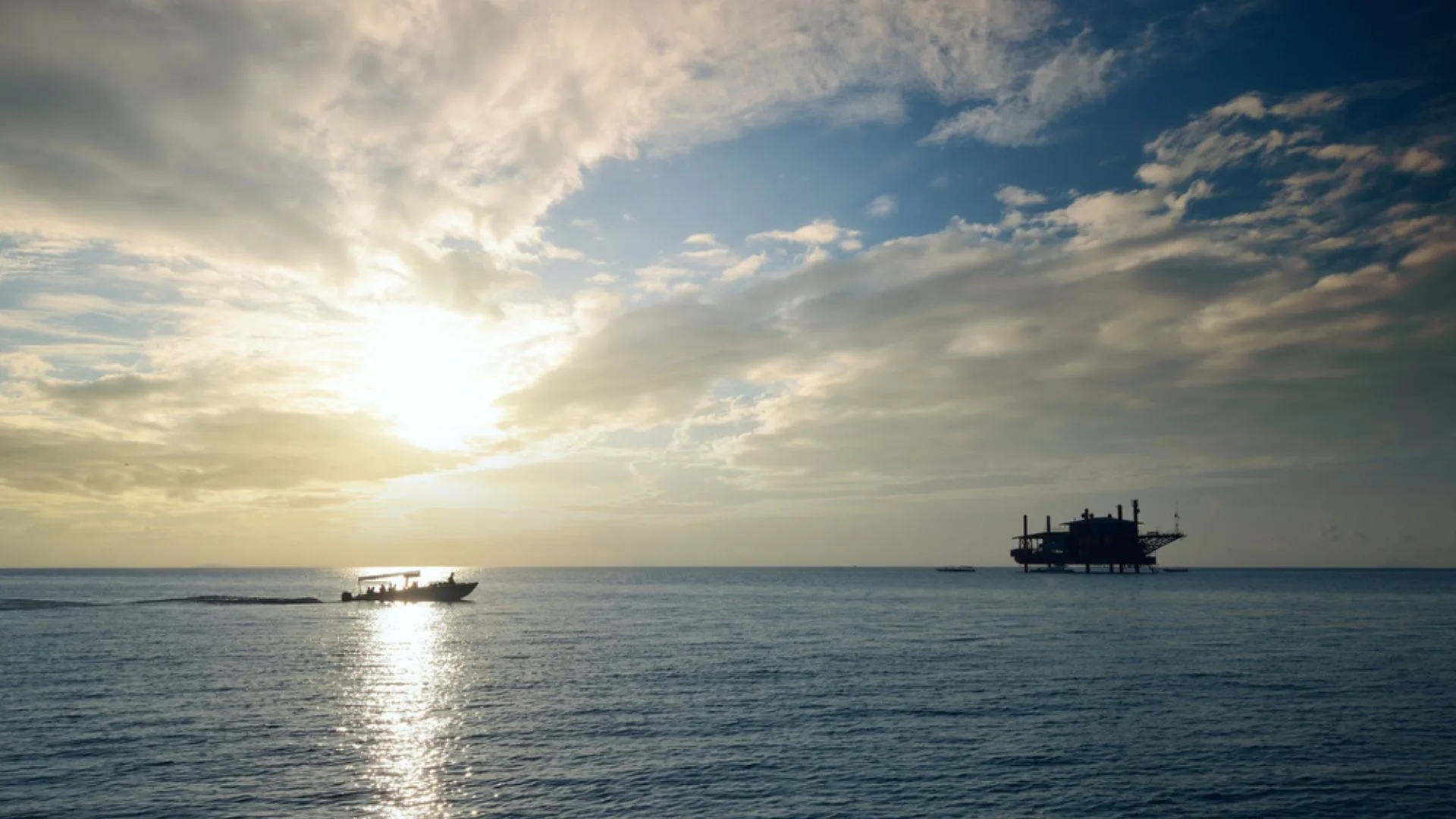
Currently, surveys are being conducted in waters near Minn Islesburgh and Mavis Grind using specialized vessels already operating in the area. The work will enable the collection of detailed information on the seabed and coastal conditions to support engineering decisions related to the future subsea cable.
New Studies to Optimize HVDC Connection
According to SSEN Transmission, the area under evaluation emerged as a possible alternative after technical limitations were identified in previously analyzed locations. Although options south of Mavis Grind were studied in the past, these did not advance due to technical feasibility challenges.
Now, the company considers that the Minn Islesburgh environment could offer more favorable conditions for the installation of the HVDC cable. The data obtained during the campaign will enable refinement of the project design and more precise evaluation of the environmental and operational aspects associated with the route.
Additionally, a Notice to Mariners will be issued with information on the movements and schedules of vessels involved in the survey.
Several Alternatives Remain on the Table
The definition of the final route for the subsea cable continues under evaluation. SSEN confirmed that a final location for the landfall point has not yet been selected and that other options such as Braewick and Yell Sound remain under consideration.
Furthermore, recent evaluations led to the exclusion of Wethersta as a viable alternative due to challenges identified during the project’s technical analysis.
The company indicated that the current marine studies form part of a broader program that also includes onshore investigations aimed at determining the most suitable solution for the future electrical transmission infrastructure.
Shetland HVDC Link 2 Advances in Defining Its Subsea Route
Once the landfall point is defined, the high-voltage direct current cable will be installed completely underground until it connects with the future Northern Hub, a proposed facility in the north of Shetland’s mainland island.
The infrastructure seeks to strengthen transmission capacity between Shetland and mainland Scotland and facilitate the integration of new electrical generation from renewable sources.
David Inge, development portfolio manager at SSEN Transmission, emphasized that the expansion of surveys constitutes a significant step in identifying the most suitable location for the project’s onshore connection.
The executive noted that the collection of detailed information on the seabed and coastal conditions will enable optimization of the link’s technical design and contribute to reducing potential impacts on local communities and the natural environment.
Upcoming Round of Public Consultations
SSEN Transmission announced that in the coming weeks it will present a new round of public consultations in which it will present the alternatives currently under consideration for the cable landfall point and updated proposals for the Northern Hub.
The company reiterated that public participation will continue to play an important role in the project’s evolution while the marine and onshore evaluations necessary to define the final configuration of Shetland HVDC Link 2 continue.
Source: SSEN Transmission
Photo: Shutterstock