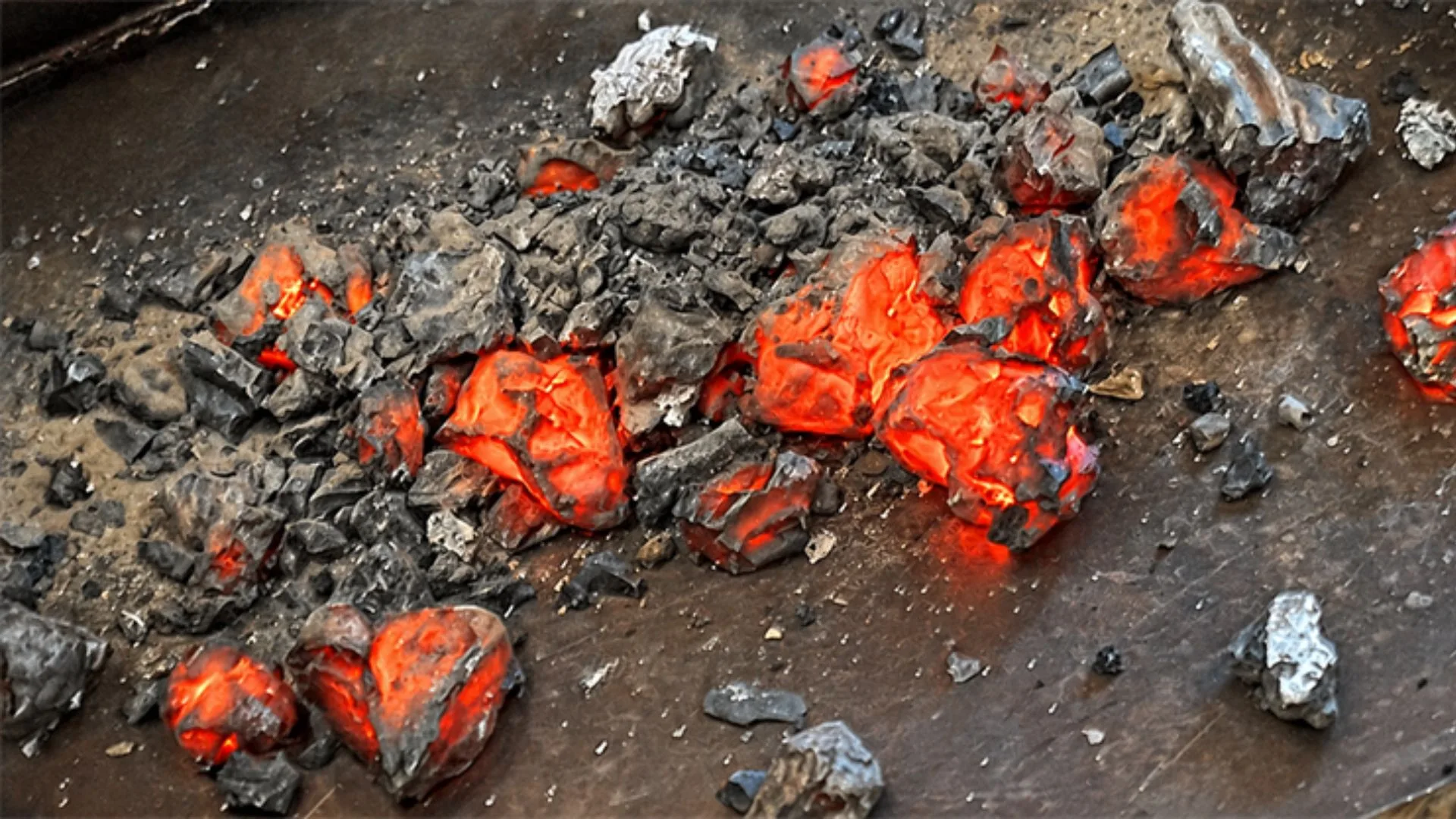
SaltX Technology and Holcim have successfully produced Portland cement clinker using a process powered entirely by electricity. The trial combined industrial-scale calcination and sintering in an electric clinker reactor developed by SaltX, eliminating the need for a conventional rotary kiln fueled by fossil fuels.
Furthermore, the material obtained met the established quality requirements for Portland clinker. This is a key point for the cement industry, as the electrification of the process must maintain the material’s performance while simultaneously reducing dependence on fossil fuels in one of the most energy-intensive stages.
100% electrified process for manufacturing Portland cement clinker
The calcination of Holcim’s raw material was carried out at SaltX’s testing and research center in Hofors, Sweden. The calcined material was then processed in the Electric Clinker Reactor, known as ECR, a technology designed to complete the sintering stage using electricity.
Thus, SaltX validated a technical route that integrates two central phases of cement production: calcination and sintering. The latter requires higher temperatures and is often considered one of the most complex parts of the cement process, due to the thermal conditions necessary to form clinker.
With this test, both companies demonstrated that the sintering stage can also be fully electrified. This advancement opens up an alternative to the use of traditional rotary kilns and proposes a more compact, flexible, and efficient production scheme for manufacturing cement clinker.
Lina Jorheden, CEO of SaltX Technology, stated that the results demonstrate that a fully electrified cement process can be implemented in an industrial setting. She emphasized that electrifying calcination and sintering is a key factor in transforming cement production.
Next step: a pilot plant for electrified cement
Holcim confirmed that the clinker produced meets industry standards. Bengt Steinbrecher, director of Holcim MAQER Ventures, noted that SaltX’s solution successfully produced Portland-quality clinker and that this validation supports the roadmap for future industrial expansion.
Furthermore, the project fits with the sustainable construction strategy of Holcim, a company based in Zug, Switzerland.
The results obtained provide a technical basis for the pilot plant planned by SaltX and Holcim. The initiative aims to move from industrial trials to larger-scale electrified cement production, while maintaining the quality of Portland clinker.
This development also strengthens SaltX’s role in the electrification of high-emission industries, including lime and cement. For the cement sector, the validation of the electric clinker reactor could become a key component of industrial decarbonization strategies.
Source and photo: SaltX