Table of Contents
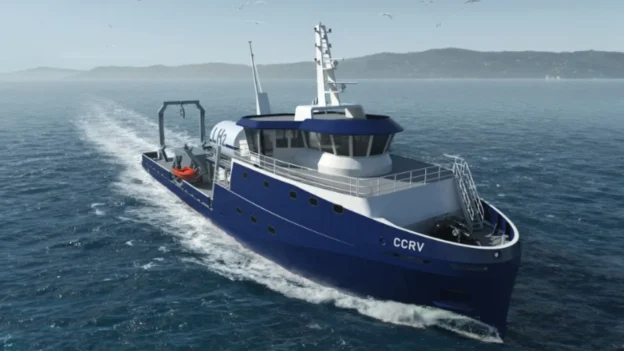
Glosten, a leader in naval architecture and marine engineering, has obtained initial approval from the U.S. Bureau of Marine Transportation for the design of UC San Diego’s first hydrogen hybrid coastal-class research vessel. This innovative CCRV, operated by Scripps Institution of Oceanography, will employ hydrogen fuel cells for emission-free operation.
The project, developed in collaboration with Siemens Energy, has overcome complex regulatory and technical challenges, ensuring that the design complies with the ABS safety standards and California and California environmental regulations.
Complexity of the hybrid hydrogen research vessel
Glosten’s Robin Madsen highlighted the complexity of integrating novel technologies such as liquid hydrogen and liquid hydrogen into a research vessel, stressing the importance of a meticulous approach to ensure efficiency and safety without compromising the vessel’s functionality. The project, conceived from a MARAD-funded feasibility study in 2018, represents a significant step forward towards the adoption of alternative fuels in the maritime industry .
The CCRV design not only meets rigorous technical and safety standards, but also marks an achievement in the use of hydrogen fuel cells for medium-sized coastal vessels. coastal vessels. With a focus on sustainability, the vessel will allow Scripps to conduct crucial environmental studies along the California coast, demonstrating a remarkable commitment to environmental protection.
Follow us on social networks and don’t miss any of our publications!
YouTube LinkedIn Facebook Instagram X
Source and photo: glosten