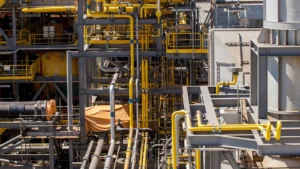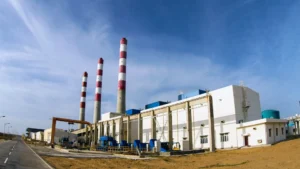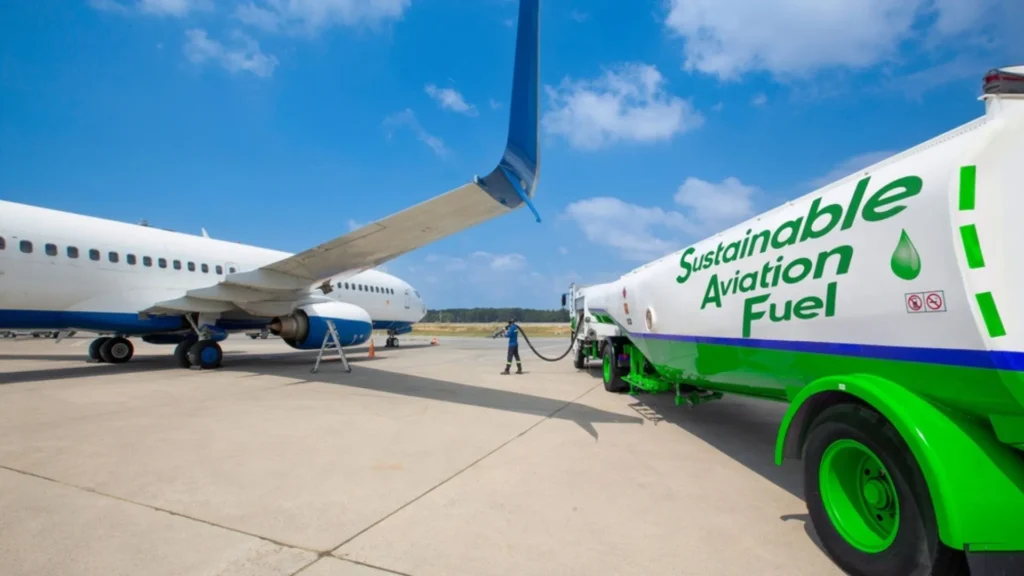
Repsol is preparing a 15% to 20% increase in fuel production for aircraft at its five refineries in Spain, a decision aimed at offsetting global supply disruptions of refined products associated with the conflict in the Middle East and pressure on the aviation kerosene market.
Furthermore, the company seeks to capitalize on improved refining margins, which in Spain more than doubled compared to the previous year, reaching $10.9 per barrel. This environment favored its first-quarter results, although the adjusted net profit of 873 million euros fell slightly below internal forecasts of 897 million euros.
More jet fuel to sustain air demand
In this context, Repsol will focus part of its industrial capacity on increasing the production of aviation kerosene, a key product for air transport and tourism during peak demand months. The company believes its integrated refining system allows it to adapt production to market changes with greater agility.
Likewise, the Spanish energy multinational has allocated 1.2 billion euros during the quarter to bolster its crude inventories and ensure the availability of raw materials. This strategy seeks to provide greater operational stability to its industrial complexes in a scenario of volatile prices and reduced visibility for international supply.
Flexible refining in Spain
For its part, Repsol’s downstream business is once again taking a central role in the company’s energy strategy. Its five Spanish refineries operate in a coordinated manner and are designed to process different types of crude, which facilitates the production of diesel, gasoline, and aviation fuel according to market needs.
Additionally, pressure on European refining capacity increases the strategic value of these assets. Since 2009, 35 refineries have closed in Europe, a reduction of nearly 20% of regional capacity. In this scenario, the flexibility to transform crudes of different origins into refined products gains importance for energy security.
Venezuela returns to the supply map
Meanwhile, Repsol expects to receive a crude shipment from Venezuela this week as payment for production, with further shipments planned. The company maintains a historical presence in the country and expects to increase its gross crude production there by 50% over the next 12 months, provided that operational and regulatory conditions are maintained.
It also projects a global production of between 560,000 and 570,000 barrels of oil equivalent per day in 2026. This figure could increase if the context in Venezuela improves, where the company has signed strategic agreements linked to natural gas, oil, and crude-based payment mechanisms.
Results driven by refining margins
On the other hand, Repsol’s adjusted EBITDA increased by 110% to 2.61 billion euros in the quarter. The volatility of Brent, which averaged around $78.38 per barrel compared to $74.98 the previous year, bolstered inventory value and favored the performance of European energy companies.
However, analysts noted price lag effects within the downstream business, which explains part of the difference between the reported adjusted net profit and the company’s own forecast. Repsol shares rose 1.9% during the session, outperforming the advance of the European energy index.
Discounts and volatility management
At the same time, Repsol has applied discounts totaling 35 million euros across its more than 3,300 service stations in Spain to mitigate the impact of fuel volatility on its customers. The measure complements inventory management and the reinforcement of refining as part of a commercial and industrial response to energy uncertainty.
With this move, the company attempts to combine profitability, continuity of supply, and technical capacity in a market where jet fuel is once again a critical product for mobility, tourism activity, and the European energy chain.
Source: Repsol
Photo: Shutterstock