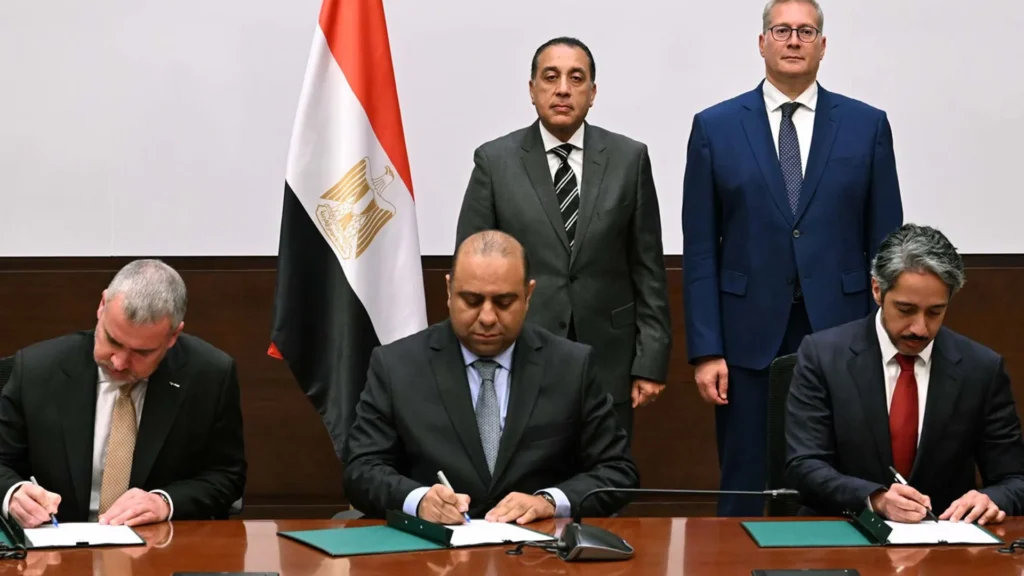
State-owned QatarEnergy signed a memorandum of understanding with the Government of the Arab Republic of Egypt and the American firm ExxonMobil. The central purpose of this technical agreement is to examine the commercial and logistical feasibility for the export of natural gas extracted from newly discovered fields off the coast of Cyprus. This includes the comprehensive utilization of liquefaction terminals and transport networks already operational in the North African country.
Alliance for Gas Export in the Eastern Mediterranean
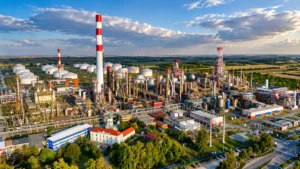
The three entities have established a joint evaluation framework that will facilitate the design of flexible and sustainable long-term commercial structures. This initiative aims to monetize the reserves of the Mediterranean basin by directly connecting them with domestic consumption centers and international energy markets. The strategic location of liquefied natural gas plants in Egypt positions this nation as the ideal logistical hub for resource redistribution.
Regarding the geopolitical relevance of the pact, sector authorities indicate that this agreement strengthens Egypt’s position within the international energy landscape. Through the integration of infrastructure with Cyprus, the Egyptian government seeks to optimize the installed capacity of its export facilities. Likewise, cooperation with major players such as QatarEnergy and ExxonMobil ensures the technical and financial support essential for the viability of large-scale projects.
For his part, the Minister of State for Energy Affairs and CEO of QatarEnergy, Saad Sherida Al-Kaabi, stated that this understanding constitutes an institutional advance for Eastern Mediterranean energy integration. The official mentioned the commitment to collaborate closely with the Egyptian administration and its strategic North American partner to materialize the commercial objectives stipulated in the document.
The impact on supply and international connectivity
Indeed, the joint development plan aims to diversify supply sources to multiple global markets during a period of high energy demand. The combination of Cypriot reserves, Egyptian operational capacity, and the technical expertise of the multinational companies involved forms a business model oriented towards operational stability. Through this synergy, it is expected to mitigate logistical risks and accelerate the commercialization of natural gas in Europe and other demanding regions.
Finally, the involved parties anticipate that preliminary evaluations will determine the necessary technical guidelines for the formal execution of interconnection works. This regional cooperation scheme not only aims to solve immediate commercial needs but also to establish a lasting physical connectivity network that transforms the dynamics of hydrocarbon distribution in the Mediterranean geographical area.
Source and photo: QatarEnergy