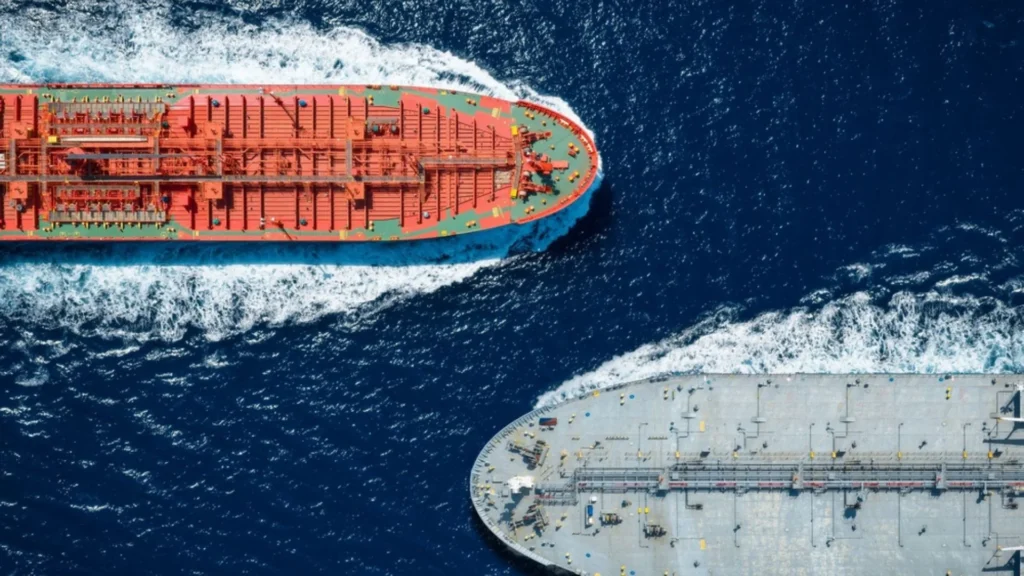
The international energy market is tightening once again. Pakistan is paying a record premium for its oil imports, amid a complex geopolitical scenario that has disrupted key supply routes.
The state-owned Pakistan State Oil (PSO) has had to absorb additional costs exceeding $34 per barrel, well above the approximately $12 previously recorded. This increase is a response to disruptions in the Strait of Hormuz, a strategic waterway for global crude transport.
Hormuz crisis drives up oil import costs
Furthermore, the Middle East conflict has limited maritime transit, creating immediate pressure on the prices of oil and its derivatives. The disruption of this critical route has forced importers to accept significantly higher premiums to secure supply.
Likewise, volatility in international markets has led to a revision of fuel pricing formulas in Pakistan, adapting them to a context of sustained uncertainty.
Direct impact on diesel prices
One of the most visible effects is reflected in High-Speed Diesel (HSD). According to recent data, the refinery price could increase by more than 120 rupees per liter if the new import premium is fully incorporated.
On the other hand, estimates indicate that even with more moderate premiums, the impact on the final consumer would remain considerable, with increases of between 40 and 60 rupees per liter.
Proposals to mitigate the impact on consumers
Faced with this scenario, PSO has proposed that exceptional premiums should not be passed on directly to the fuel price. Instead, it suggests a reimbursement system directed at importing companies, with the aim of reducing the burden on end users.
Likewise, it is suggested to use mechanisms such as the Inland Freight Equalization Margin to compensate for the differences between actual costs and reference prices.
Regulatory tensions and pending payments
In parallel, price differential claims from oil companies continue to accumulate. Although payments worth billions of rupees were recently processed, the price freeze has caused delays in compensating the companies.
Finally, regulatory authorities are seeking to strengthen transparency and efficiency in these processes, in a context where financial discipline is key to sustaining the energy system.
Source: Tribune
Photo: Shutterstock