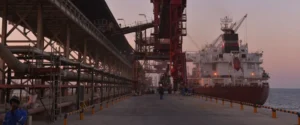
The International Energy Agency (IEA) anticipates that the global oil market will register a significant supply surplus in 2027 thanks to the gradual recovery of production in the Middle East and the normalization of trade flows through the Strait of Hormuz.
According to the organization, the reopening of this strategic route will allow the gradual return of millions of barrels to the international market after several months marked by supply disruptions stemming from the conflict between Iran and the United States.
Supply will grow faster than demand
According to IEA projections, global oil supply will increase by about 8 million barrels per day during 2027. In contrast, global demand will advance by about 2 million barrels per day.
This difference would generate one of the largest surpluses seen in recent years. According to the agency, this scenario could ease pressure on energy markets and facilitate the rebuilding of inventories that have been significantly reduced during the crisis.
Likewise, the organization believes that several countries could take advantage of the context to strengthen their strategic reserves and review their energy security policies.
The Middle East is gradually recovering its exports
The IEA estimates that the war blocked more than 14 million barrels per day of oil production in the Middle East, affecting a significant part of the global supply.
However, the most recent data shows signs of recovery, with oil flows through the region increasing from approximately 9.6 million to nearly 12 million barrels per day thanks to increased logistical activity and improved operating conditions.
If the agreement reached between Washington and Tehran holds, Gulf exports could continue to increase in the coming months. Furthermore, lifting restrictions on Iranian exports would allow additional volumes of crude oil to be reintroduced into the international market.
Risks to recovery persist
Despite the favorable scenario, the agency warns that a full recovery is not guaranteed; among the risk factors highlighted are demining processes on key maritime routes, operational challenges in restoring supply chains, and the need to strengthen transit agreements in the region.
These conditions could partially delay the return of the export capacity planned for the Middle East.
Reserves remain under pressure
While the market is heading towards an eventual oversupply, global inventories continue to decline.
The IEA notes that oil reserves have been declining at a rate of approximately 3.8 million barrels per day since the start of the conflict. May saw a particularly sharp drop in stockpiles, reflecting the ongoing pressure on the global energy system.
On the other hand, the agency forecasts that oil demand will weaken during 2026 before recovering the following year thanks to lower crude oil prices and a gradual improvement in the international economic outlook.
In this context, the balance between the recovery of production in the Middle East and the evolution of global consumption will be crucial in defining the trajectory of the oil market in the coming years.
Source: Reuters
Photo: Shutterstock