Oil prices hit their highest level in a month after concerns grew about potential disruptions to global crude supplies due to the escalating conflict between the United States and Iran. Uncertainty surrounding the Strait of Hormuz spurred investor buying and boosted prices for major international benchmarks.
The price of oil boosts gains in WTI and Brent
West Texas Intermediate (WTI) crude futures rose 1.5% to close above $79 a barrel, after climbing nearly 4% during the session. Brent crude, meanwhile, finished near $85 a barrel, consolidating its recent recovery.
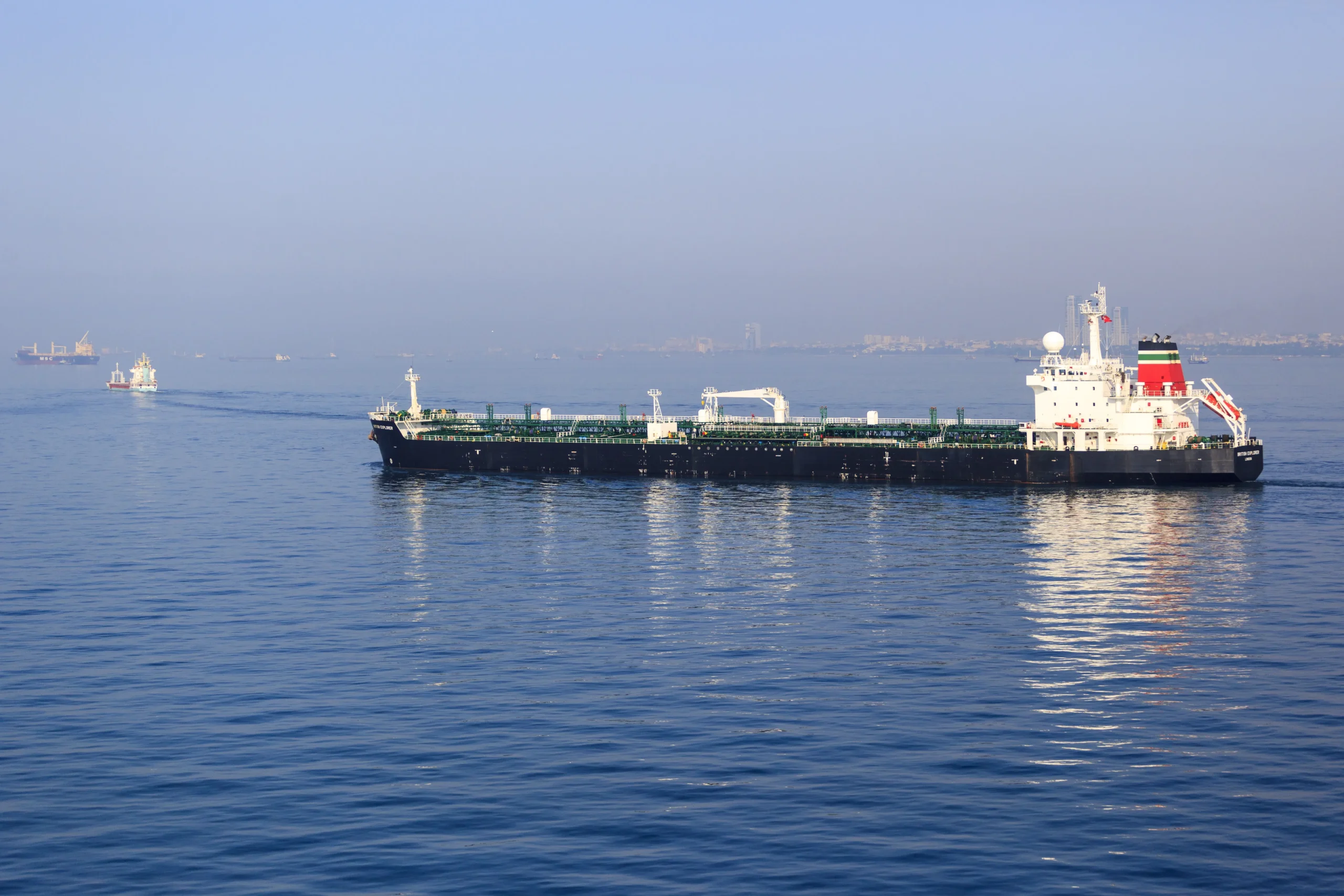
This move was supported by the perception of increased risk to maritime oil trade on one of the most important strategic routes for global energy supply.
Trump’s change of stance reduces a source of uncertainty
In addition to the military context, the market reacted to the change of position of US President Donald Trump, who withdrew the proposal to apply a 20% tariff to shipments crossing the Strait of Hormuz.
The measure had generated concern among operators and shipping companies due to the potential increase in logistics costs. Its withdrawal partially alleviated that pressure, although the situation remains marked by uncertainty stemming from the regional conflict.
Attacks on ships keep pressure on the market
Similarly, the reported attacks against vessels involved in crude oil transport have reinforced fears of further disruptions to exports from the Middle East. The observed decline in some shipments through the Strait of Hormuz demonstrates the potential impact of the situation on international hydrocarbon trade.
Market analysts believe that as long as geopolitical tensions continue, oil prices could remain elevated due to a combination of limited supply and increased demand for hedging by investors.
Fuel prices and inflation are also feeling the impact
The strengthening of the oil market is also beginning to extend to refined fuels; gasoline, diesel, and aviation fuel are registering faster increases than crude oil itself, which increases inflationary pressure in various economies.
If hostilities persist, energy markets could face a prolonged period of volatility with repercussions for transport, industry, and central bank monetary policy decisions.
Source: Rigzone
Photo: Shutterstock