NKT’s cable accessories plant in Nordenham, Germany, has established itself as the group’s first facility to operate with net-zero carbon emission systems. This advancement is not an isolated event, but rather the result of a comprehensive technical transition spanning from internal logistics to the most complex thermal processes.
The Transformation of Heating Systems and the End of Natural Gas
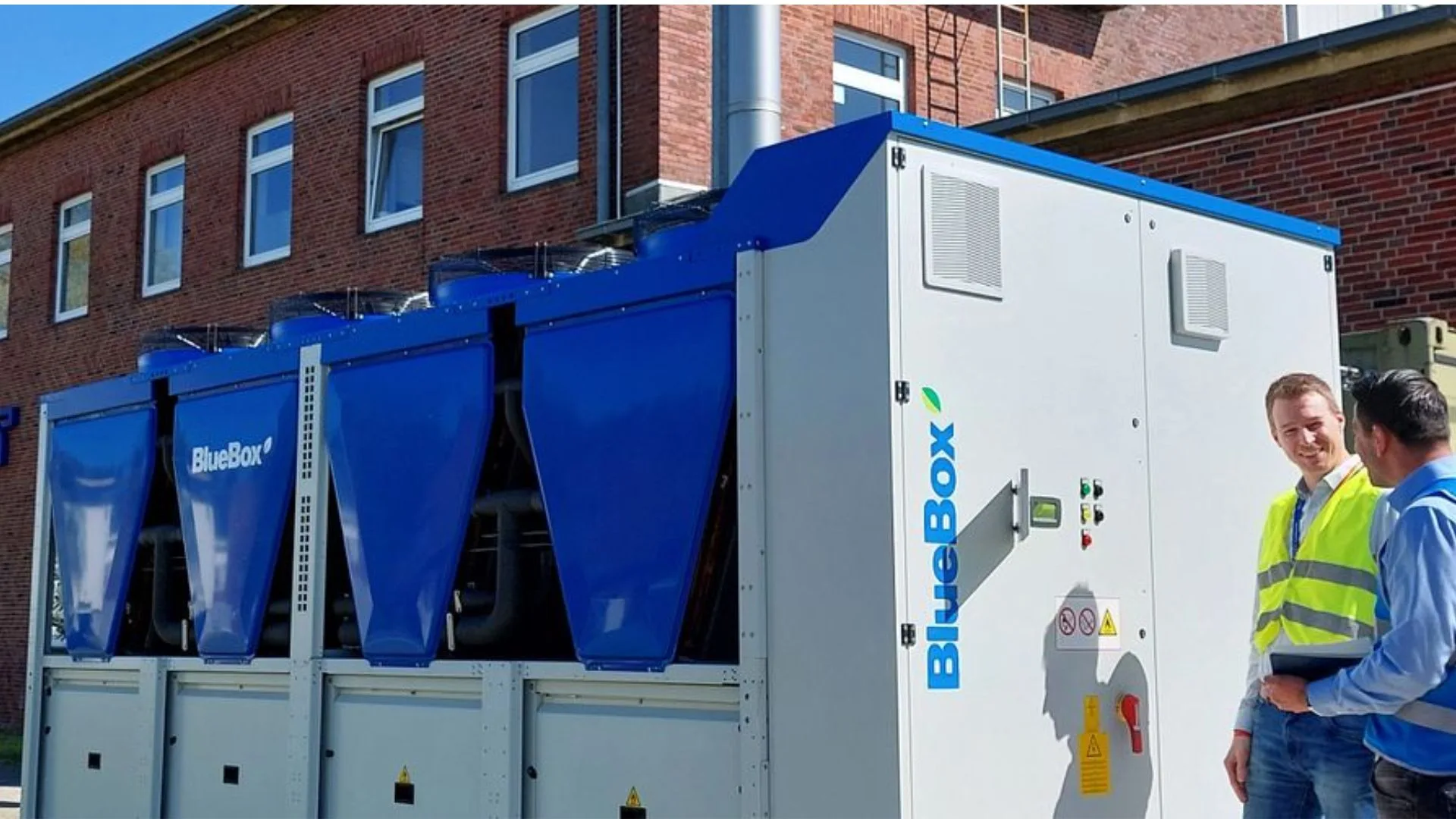
Certainly, the most demanding challenge for the plant was the complete elimination of natural gas in its heating systems. To replace this fossil fuel, the company implemented high-capacity heat pumps designed for industrial environments, which achieve power outputs of up to 210 kW. Likewise, the local electrical grid and radiator systems were upgraded to integrate with this renewable technology. This structural modification enables an estimated annual savings of 576 tons of carbon dioxide equivalent.
Energy Efficiency and Circular Heat Economy
In addition to heat electrification, the plant has integrated thermal recovery systems into its manufacturing processes. Specifically, heat exchangers were installed in injection molding machines, allowing residual heat to be captured and reused in other areas of the facility. This strategy optimizes overall energy consumption and reinforces the factory’s operational autonomy against fluctuations in the conventional energy market.
Strategic Alliances for Green Supply
It is essential to emphasize that the emission-free operation is supported by a power purchase agreement (PPA) signed with Uniper. Through this agreement, the required energy comes from a photovoltaic plant located in Wilhelmshaven. Thanks to this infrastructure, NKT ensures that both the Nordenham and Cologne plants operate with 100% renewable electricity. The company demonstrates that decarbonization of scopes 1 and 2 is an achievable objective through technological investment and strategic planning.
Legacy and Future of Cable Accessories
Finally, this technical advancement in Nordenham positions the factory as a global benchmark in the production of medium-voltage cable joints and terminations. From its pioneering role with the use of silicone rubber in the 1960s, the center of excellence continues to evolve to meet global climate requirements. The company continues working to replicate this successful model across its other international sites.
Source and photo: NKT