The Fraunhofer IWU institute has introduced a disruptive concept in wind turbine blade design based on structural modularity. This approach addresses the growing volume of composite waste accumulated in Europe since the beginning of the 21st century.
The leading edge, the main wear area, can be replaced without replacing the entire blade. This completely redefines the maintenance strategy for modern turbines.
From an engineering perspective, this partial replacement capability transforms the component’s life cycle, moving from a linear model to one based on predictive maintenance and asset optimization.
Current wind turbine blade design limits recycling
Conventional blades are manufactured from two halves joined by permanent adhesives, forming long, enclosed structures. This design is mechanically efficient but highly restrictive in terms of repairability.
The production process is labor-intensive, involving manual fiber placement and complex assembly. Automation is limited due to the geometry and size of the wind turbine blade components.
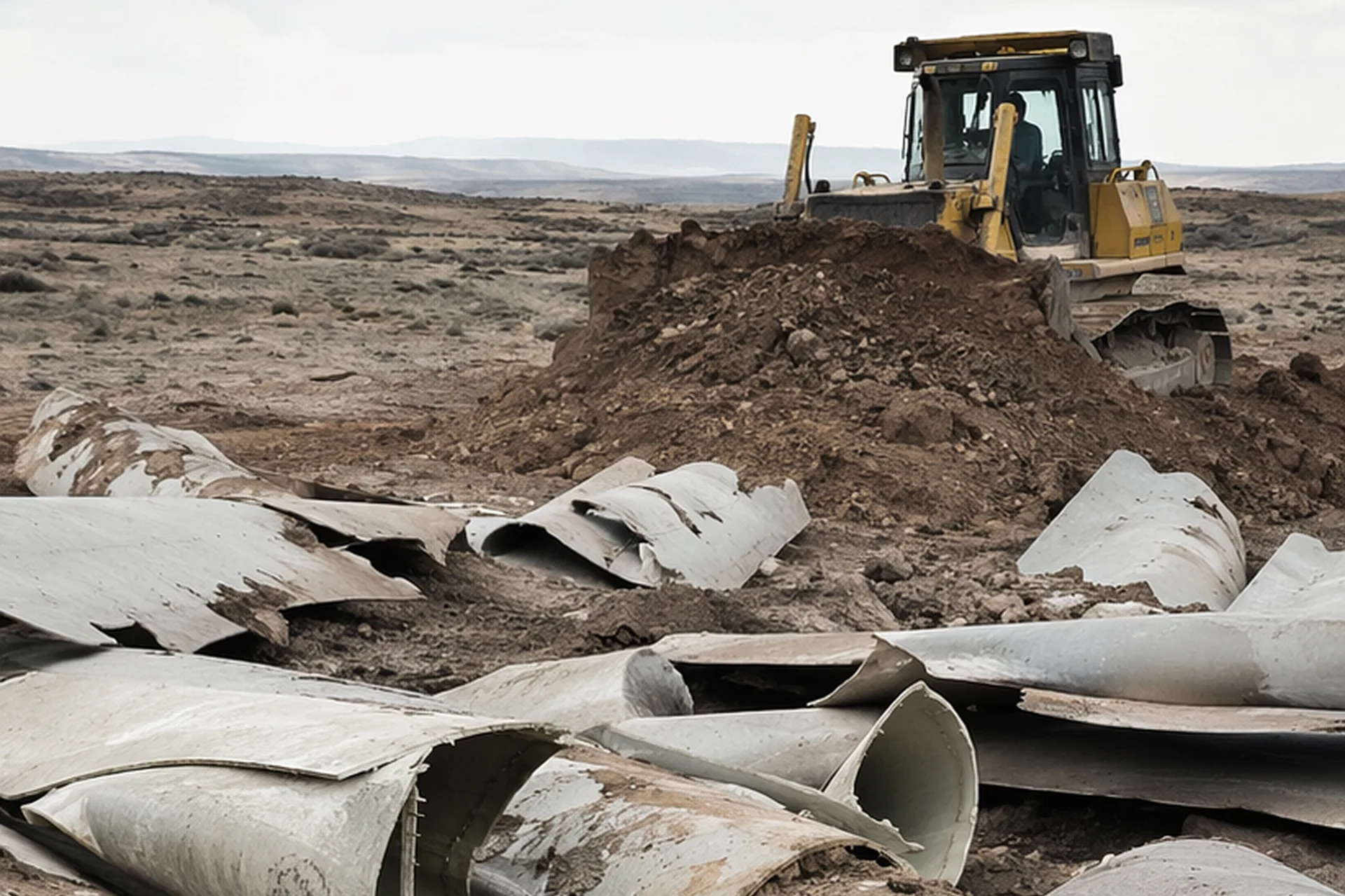
Furthermore, localized wear on the leading edge degrades aerodynamic efficiency. Without modular replacement capabilities, the entire blade must be removed, resulting in economic losses and waste.
Materials and processes for circularity
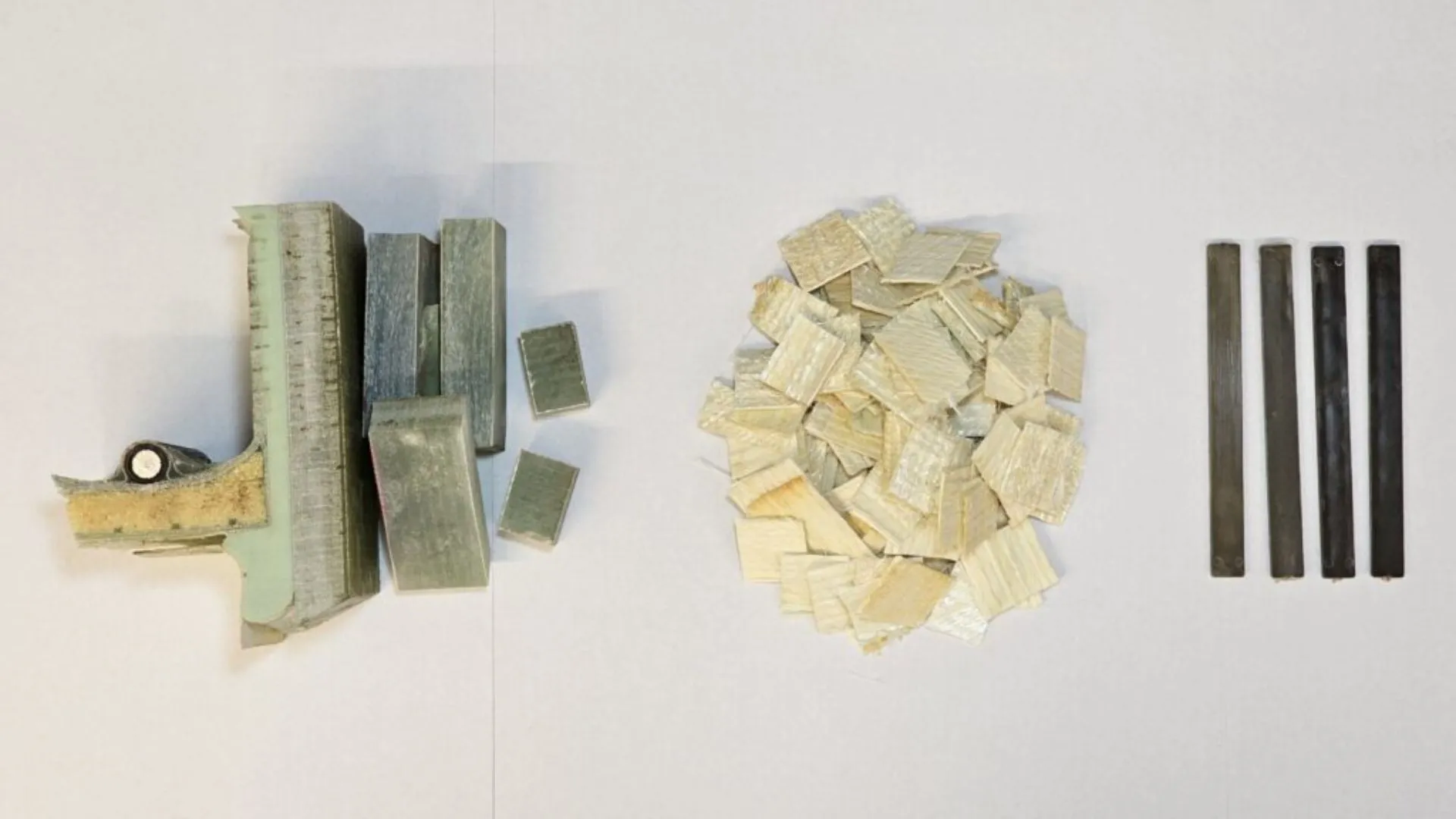
The new concept introduces thermoplastics reinforced with natural fibers, which exhibit greater resilience in recycling cycles compared to traditional materials. Their gradual behavior prevents abrupt degradation.
Pultrusion allows for the manufacture of continuous beams with high repeatability, facilitating automation and reducing reliance on intensive manual processes. This opens the door to relocating production to Europe.
Furthermore, these materials allow for efficient mechanical recycling. The components can be shredded, reprocessed, and reused, aligning with reuse, repair, and remanufacturing strategies.
RECREATE validates industrial approach
The RECREATE project brings together approximately 20 industrial and academic partners to develop circular composite solutions. This collaborative environment accelerates technological validation. The prototype developed demonstrates that it is possible to maintain structural integrity while improving recyclability, a long-standing challenge in composite materials for wind energy.
The technical analysis is conclusive: the combination of modularity, new materials and automated processes redefines blade design, aligning sustainability with operational efficiency.
Source and photos: https://www.iwu.fraunhofer.de