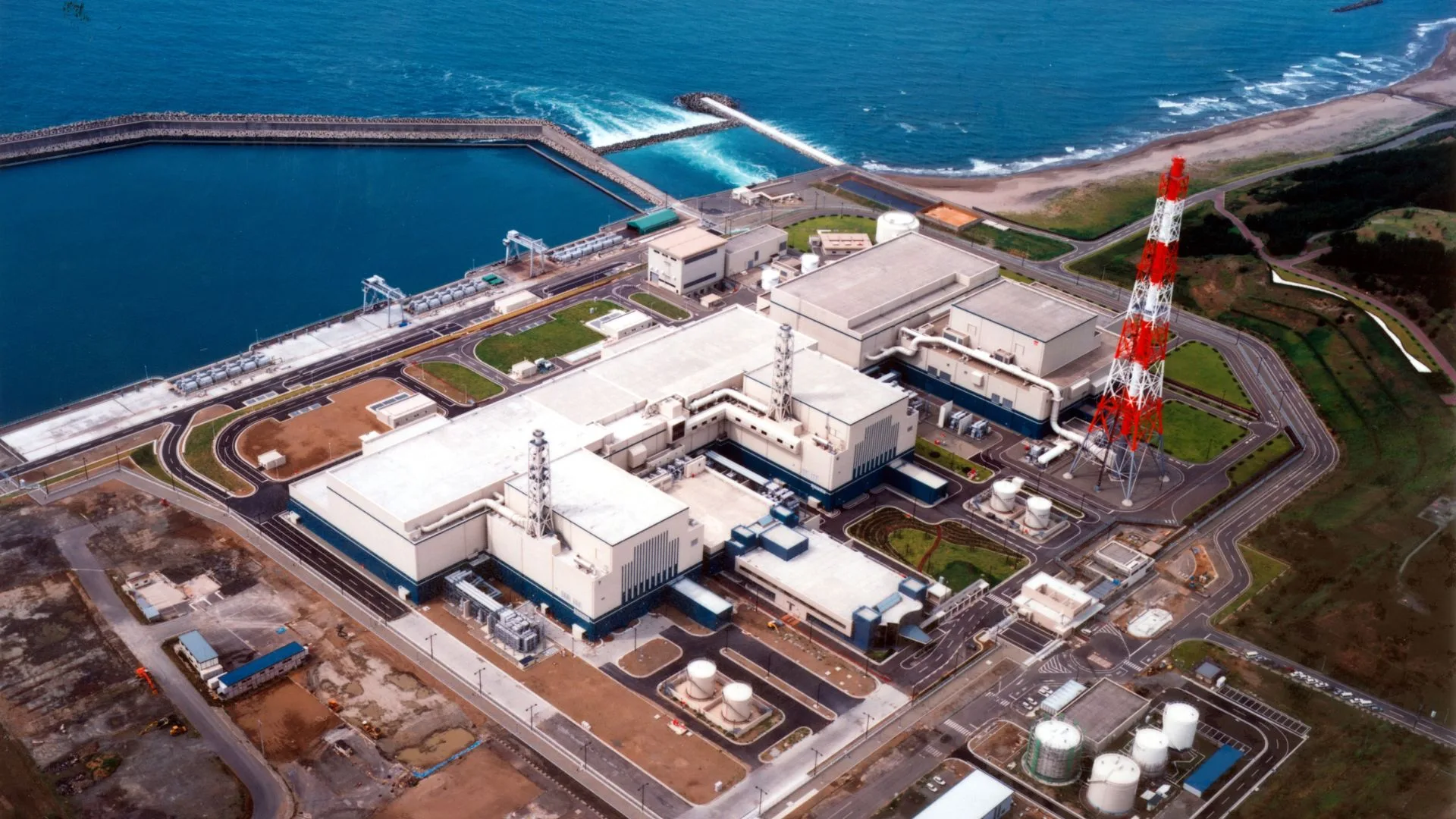
TEPCO (Tokyo Electric Power Company) has resumed commercial operation of Unit 6 of the Kashiwazaki-Kariwa Nuclear Power Plant, located in Niigata Prefecture, Japan. This occurred after Japan’s Nuclear Regulation Authority issued two certificates: one for pre-operational confirmation and another for pre-operational inspection approval.
Why is it important?
This plant is one of the largest in the world, and Unit 6 had been on standby for years following the Fukushima Daiichi accident in 2011. The resumption demonstrates Japan’s effort to restart its nuclear reactors, but with much stricter safety standards following the disaster.
Key points highlighted by TEPCO
- Safety first: The company states that “safety has no end” and that they work as “One Team” focused on continuous improvement.
- Transparency and dialogue: They claim to have listened to the local community, Niigata Prefecture, and society at large. They promise to remain attentive to residents’ concerns.
- Lessons from Fukushima: They acknowledge that past mistakes are the foundation of their current management. Safety is their top priority.
- Local commitment: In addition to operating the plant, they aim to develop infrastructure and revitalize the local economy to earn the trust of the inhabitants.
Fukushima as a starting point for a new stage
This is a significant step in the restart of nuclear energy in Japan after more than a decade of paralysis. TEPCO is attempting to show that it has learned from its tragic past (Fukushima) and that it now operates with maximum transparency, safety, and community dialogue. However, it remains a sensitive issue for many Japanese people who still distrust nuclear energy.
Source: TEPCO
Photo: Wikipedia