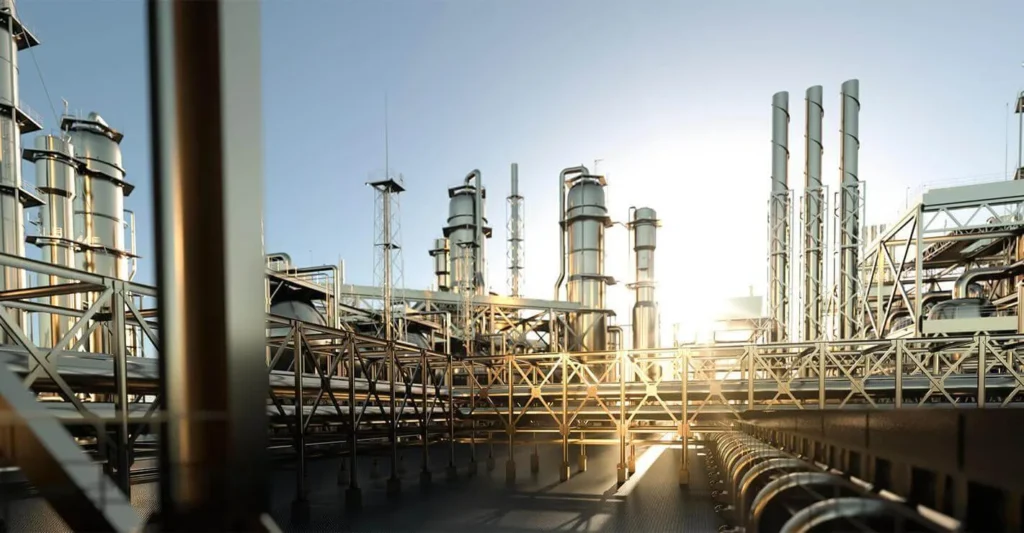
Perpetual Next has hired Global Location Strategies to support its biomethanol development strategy in the United States, in a move aimed at consolidating its presence in one of the most dynamic markets.
The agreement focuses on structuring a clear roadmap for the implementation of industrial projects linked to sustainable fuels, within a context of growing demand for low-carbon solutions.
The United States offers favorable conditions in terms of raw material availability, infrastructure, and industrial scale, making it an attractive environment for this type of development.
Technical Evaluation Will Define Priority Locations
The scope of work includes a comprehensive analysis of potential sites, considering technical, regulatory, logistical, and commercial variables. The objective is to identify locations with the greatest operational viability.
Among the sites evaluated is a location in the state of Georgia, along with other alternatives in the South, where a favorable combination of resources and industrial capabilities is concentrated.
The study also contemplates comparisons between different plant configurations, including independent torrefaction and biomethanol facilities, as well as integrated models.
Perpetual Next Gains Ground in the Energy Transition
Biomethanol is positioned as a relevant energy vector in industrial decarbonization, especially in sectors such as maritime transport, chemicals, and power generation.
Perpetual Next’s strategy seeks to transform biogenic waste into value-added products, aligning with circular economy models and emission reductions.
This approach responds to a growing trend in the global market, where alternative fuels are gaining prominence over traditional fossil sources.
Comparative Analysis Strengthens Decision-Making
GLS’s work is based on comparative evaluation methodologies that allow for the structured analysis of multiple variables, facilitating informed decisions on capital investments.
The process will include the identification of key risks, as well as mitigation measures and recommendations for moving toward later phases of the project.
According to representatives from both companies, this approach will allow for the prioritization of projects with the highest probability of operational and financial success in the short and medium term.
Development Projects Expansion Toward 2026
Perpetual Next aims to develop at least three projects in the United States by 2026, relying on the results of the ongoing analysis.
The collaboration with GLS marks a decisive step in the consolidation of this strategy, providing a solid foundation for the execution of industrial-scale projects.
In an energy transition environment, initiatives like this reflect how strategic planning and territorial analysis become determining factors for the success of new sustainable value chains.
Source and photo: https://perpetualnext.com/