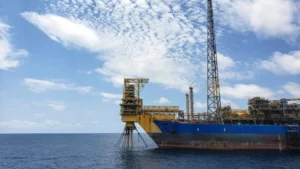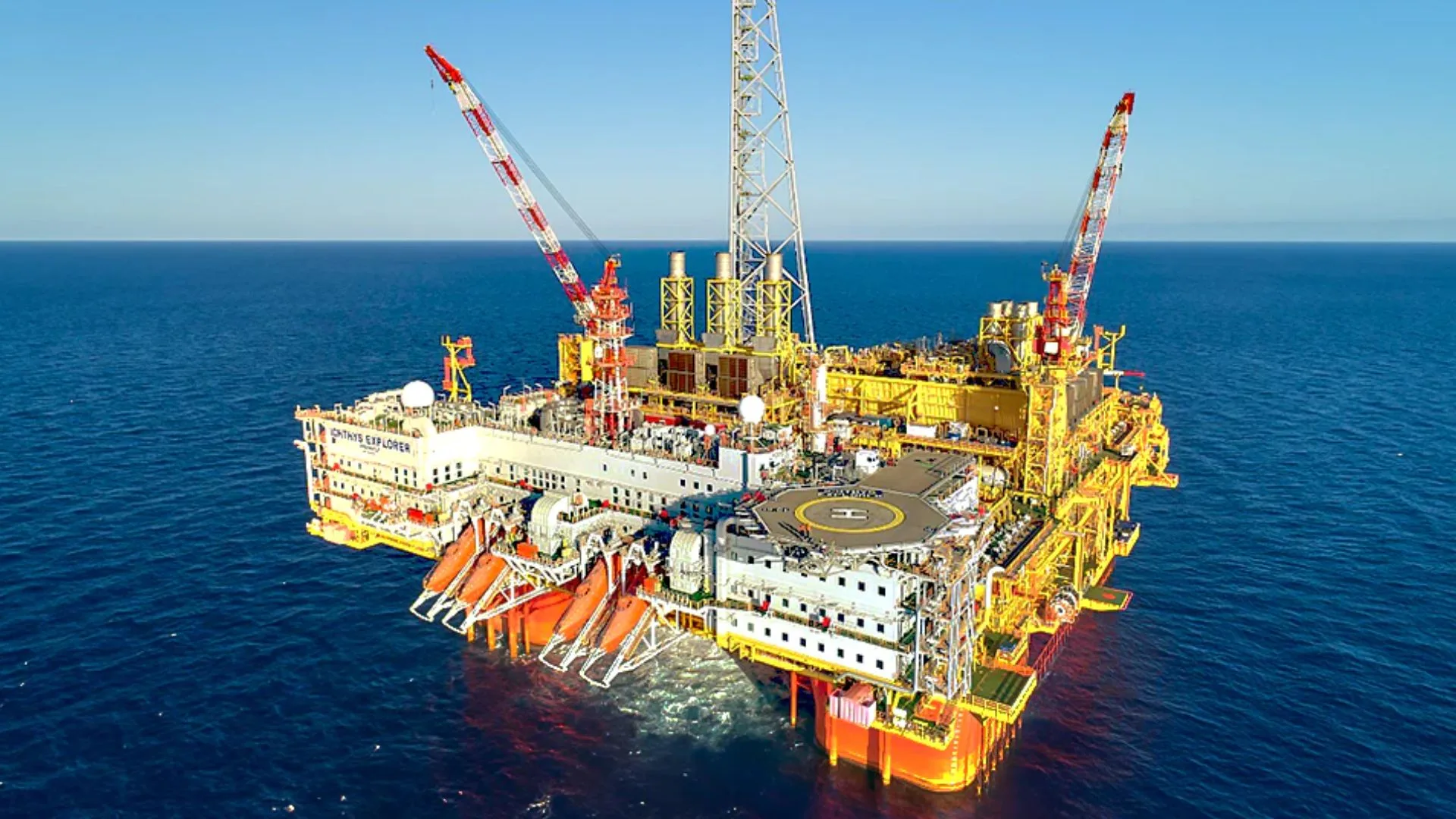
An Ichthys LNG strike lasting just two hours caused a 24-hour delay in the departure of the LNG carrier Pacific Breeze bound for the Yung An terminal in Taiwan, operated by CPC Corporation. The incident illustrates with pinpoint precision the fragility of the liquefied natural gas logistics chain when labor relations conflict with loading and maritime navigation schedules.
The disruption on the route following the Ichthys LNG strike
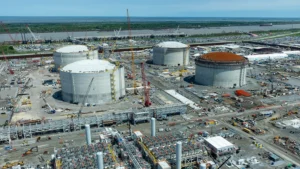
The Ichthys LNG project, operated by INPEX in Darwin, Australia, has a production capacity of approximately 9.3 million tonnes per year, representing nearly 10% of total Australian LNG production. An operational disruption of such magnitude at a facility has immediate repercussions on long-term supply contracts signed with Asian buyers, particularly in Japan, South Korea, China, and Taiwan.
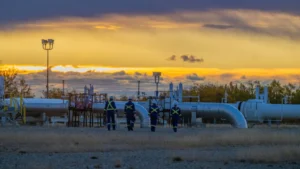
The labor stoppage was called by workers in disagreement over wage and shift conditions. Although its duration was limited, the chain of consequences extended: the loading of the Pacific Breeze could not be completed within the scheduled time, shifting the entire sequence of docking, loading, and departure. With LNG carriers operating in tight time windows dictated by market conditions and FOB or DES contracts, a one-day delay alters schedules at the destination port, the availability of regasification terminals, and delivery contracts to utilities.
The Ichthys LNG strike case has demonstrated that operational reliability in an LNG plant does not depend exclusively on the mechanical integrity of the liquefaction trains or the availability of cryogenic compressors. It depends on the stability of the workforce, current collective bargaining agreements, and the ability of labor relations management teams to anticipate conflicts before they escalate into formal stoppages. In highly complex projects like Ichthys, with thousands of workers on rotating shifts, this human factor carries technical and financial weight comparable to that of any critical rotating equipment.
The impact on the Australia-Asia supply chain
The Ichthys LNG strike and its consequences are being closely monitored. According to INPEX, the company maintains a permanent commitment to dialogue between management and worker representatives to ensure safe and continuous operations.
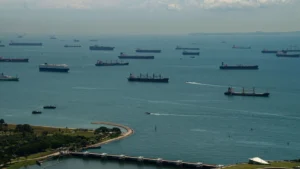
For decades, Australia has remained among the world’s three largest LNG exporters, competing annually with Qatar and the United States for the top spots in the global market. Its supply meets a substantial portion of East Asian energy demand. A disruption in projects the size of Ichthys LNG has a direct effect on spot prices in the JKM (Japan-Korea Marker) market and on the inventory planning of receiving utilities. The delay of the LNG carrier Pacific Breeze did not generate sharp market fluctuations, but analysts categorized it as a warning sign regarding the sector’s operational stability.