HydroGraph Clean Power secured the land and acetylene supply to develop its first large-scale US graphene plant in Bellville.
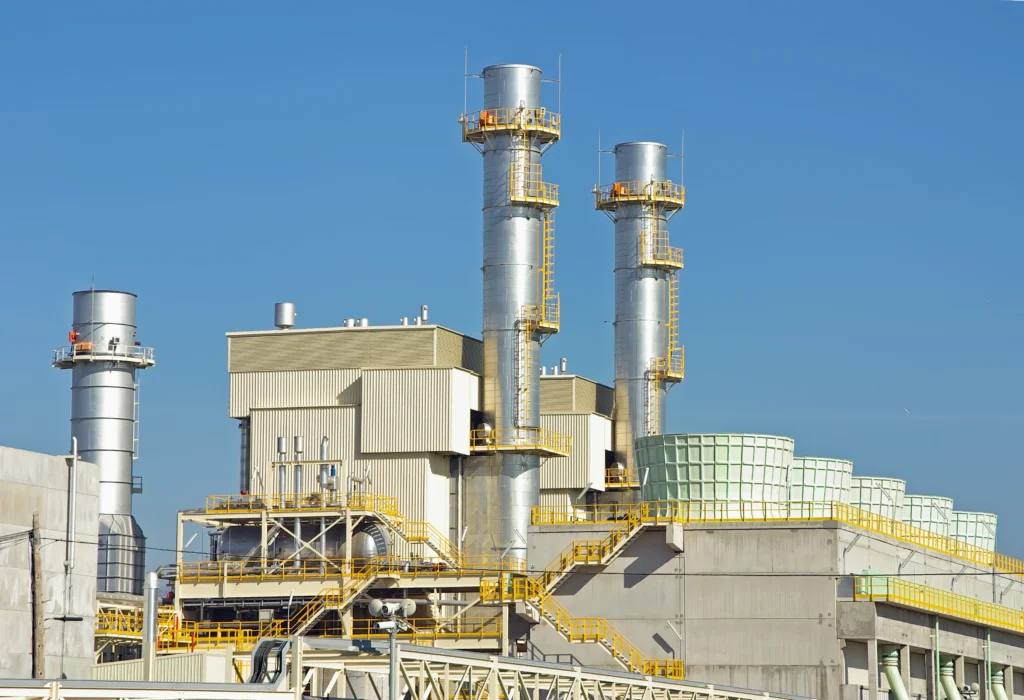
Canadian company HydroGraph Clean Power will move forward with the construction of a graphene plant in Texas after closing long-term agreements with Western International Gas & Cylinders. The facility will be located in Bellville and will have direct access to acetylene via a dedicated pipeline.
The project aims to establish a stable production capacity for ultrapure graphene in the United States, it also seeks to reduce reliance on external supply chains and meet the growing industrial demand for advanced nanomaterials.
An acetylene contract guarantees the raw material
HydroGraph will purchase acetylene directly from Western International under an initial 10-year contract, the gas will reach the plant via a dedicated connection installed within the supplier’s industrial complex.
In addition, the company leased land adjacent to Western International’s production, storage, and distribution infrastructure. This location will reduce transportation, simplify logistics, and maintain a continuous supply of raw materials.
Acetylene will be a central input for the synthetic production process used by HydroGraph, the company manufactures graphene using an explosion synthesis system that seeks to obtain uniform batches with high purity and lower energy consumption.
The plant will produce up to 360 tons per year
The first phase includes a building of approximately 40,000 square feet, where the manufacturing, processing, storage and distribution operations of the graphene produced in Texas will be concentrated.
Construction will begin after permits and site preparation are completed; HydroGraph expects the plant to be operational during the first half of 2027.
Once equipped, the facility will be able to produce up to 360 tons of graphene per year; with subsequent expansions, the company expects to increase capacity to over 750 tons per year.
The project represents a change of scale for HydroGraph, the company will move from development-oriented facilities and limited volumes to an operation designed to supply industrial customers and public bodies.
Hyperion reactors will allow for expanded capacity
HydroGraph will initially install six Hyperion reactors in Bellville; each modular unit can produce up to 10 tons of graphene per year and can be manufactured in a few months.
This design will allow for increased capacity as orders grow, enabling the company to incorporate new equipment without building a completely separate production line for each expansion.
HydroGraph is also installing three Hyperion reactors at its Austin headquarters; these units will be used for technical development and limited production.
The company expects to reach a combined capacity of up to 30 tons per year in Austin from September 2026. Before that, it must complete the works related to the safe storage of acetylene.
Texas gains importance in the graphene supply chain
The location of the new plant next to the acetylene supplier is part of a logistics integration strategy, this model aims to reduce transportation costs and minimize disruptions associated with the transport of industrial gases.
For Western International, the agreement will allow it to leverage its existing infrastructure to supply a new advanced manufacturing operation. The company has production, storage, transportation, and distribution capabilities for acetylene in the U.S. market.
HydroGraph believes this alliance will help strengthen a national graphene supply chain, as interest in this material increases in sectors linked to energy, manufacturing, electronics and composite materials.
The company has also indicated that the government is interested in securing domestic sources of materials considered strategic. In this context, graphene production in Texas could become increasingly important for industrial projects that require traceability, continuity, and consistent quality.
Industrial and energy applications of graphene
Graphene is made up of a single layer of carbon atoms arranged in a hexagonal structure, it is characterized by its mechanical strength, low weight, and high electrical conductivity.
These properties allow it to be used in coatings, resins, composite materials, electronics, and energy storage systems. It can also be incorporated into batteries, cements, lubricants, and thermoplastics to modify certain properties.
The commercial expansion of graphene has been limited by the difficulty of producing large volumes with consistent purity and uniformity. HydroGraph seeks to address this problem through modular reactors and a stable supply of acetylene.
With the Bellville plant, the company aims to combine scalable production, existing infrastructure, and proximity to raw materials. The result will be a facility geared towards supplying industrial markets that require ultrapure graphene in commercial quantities.
Source: Hydrograph
Photo: Shutterstock