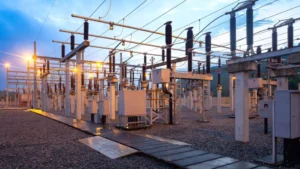
The expansion of European electrical grids requires much more than new transmission lines. It also depends on a stable supply of strategic materials capable of meeting electrification, energy security, and decarbonization objectives.
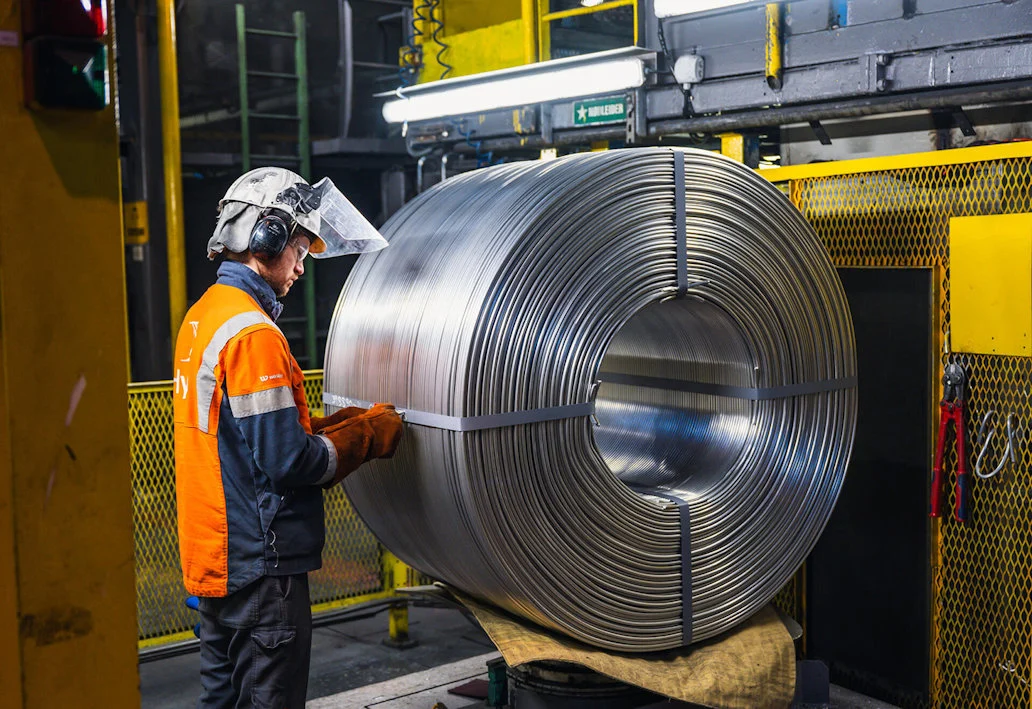
In this context, Hydro and Nexans signed a five-year agreement for the supply of approximately 85,000 tons of low-carbon aluminum wire rod between 2026 and 2030, intended for the manufacture of cables for distribution networks, overhead lines, and high-voltage submarine infrastructure.
The agreement supports the growing demand for electrical infrastructure resulting from the integration of renewable energy, industrial electrification, and the modernization of European transmission systems.
Aluminum Consolidates as a Strategic Material
The energy transition is modifying the role of materials used in electrical infrastructure. Aluminum, traditionally employed in transmission conductors due to its low density and good electrical conductivity, acquires even greater relevance given the need to build thousands of kilometers of new lines to connect wind farms, solar plants, international interconnections, and offshore projects.
Its high strength-to-weight ratio allows for the reduction of mechanical loads on towers and support structures, in addition to facilitating the installation of conductors over long distances. These characteristics have made aluminum one of the predominant materials for high-voltage overhead lines and submarine cables used in power transmission from offshore wind farms.
More Extensive Electrical Grids Require Resilient Supply Chains
One of the main challenges of the energy transition does not lie solely in building new renewable generation facilities, but in having the necessary materials available in a timely manner to manufacture transformers, cables, connectors, and transmission systems.
The agreement between Hydro and Nexans addresses this need through a predictable supply of raw material over five years, reducing the uncertainty associated with aluminum availability in a market characterized by growing competition for critical resources.
The Carbon Footprint of Materials Is Also Part of Grid Performance
The sustainability of an electrical grid no longer depends exclusively on the electricity it transports. It is also determined by the emissions associated with the manufacture of the materials used in its construction.
Hydro REDUXA aluminum is produced using renewable energy and has a carbon footprint less than one-third of the global average for this material. This reduction contributes to lowering the embedded carbon of transmission and distribution projects, an indicator increasingly considered in public tenders, environmental certifications, and corporate decarbonization strategies.
Electrical Infrastructure Becomes a Security Pillar
The modernization of electrical grids constitutes one of Europe’s main technical challenges over the next decade. The growth of distributed generation, transportation electrification, the incorporation of energy storage, and the development of offshore wind farms require more robust, interconnected, and reliable grids.
In this scenario, ensuring continuous access to strategic materials represents a factor as important as the availability of industrial capacity or financing for new projects.
Source and photo: https://www.hydro.com/