Table of Contents
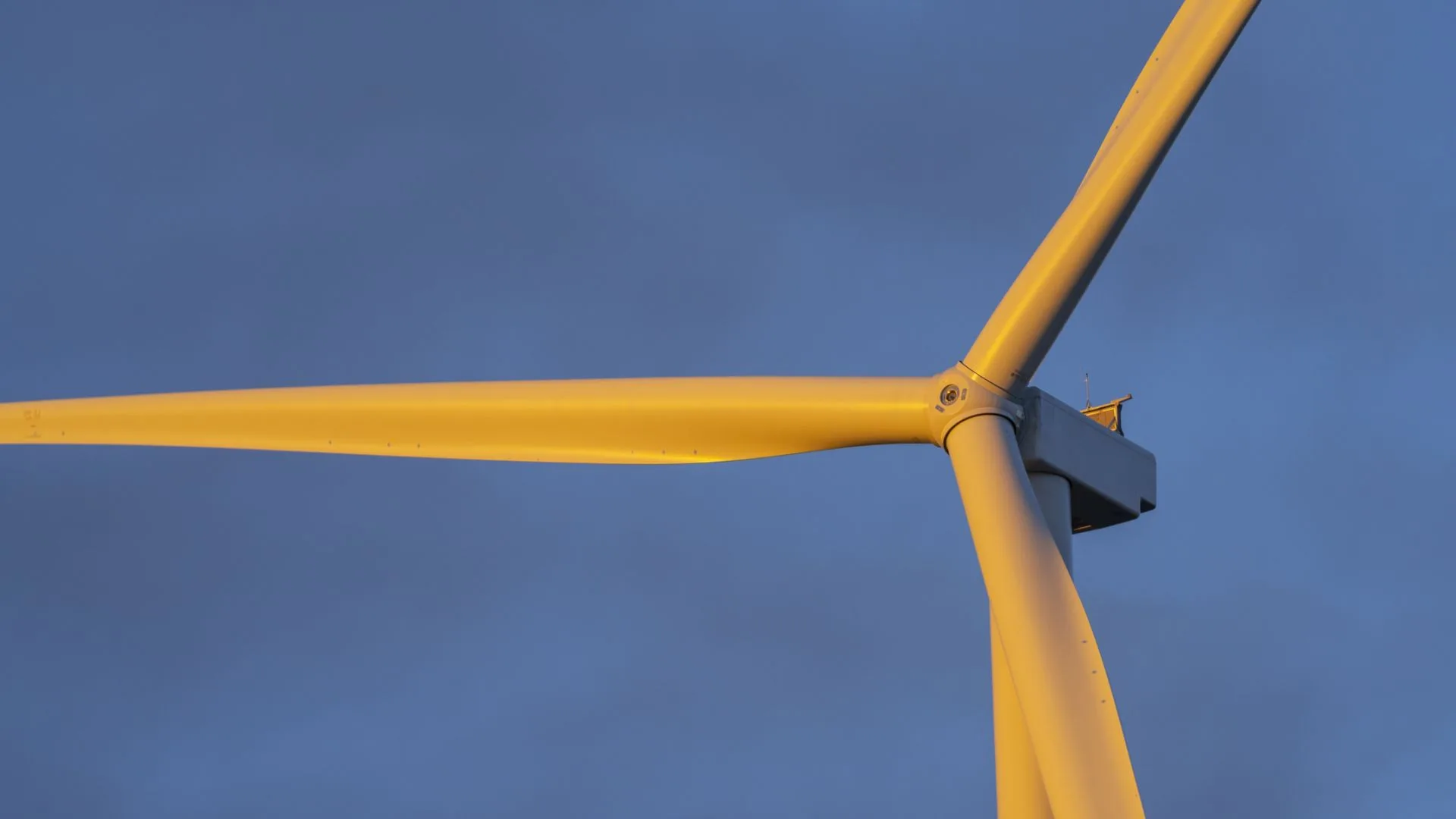
The energy corporation GE Vernova has formalized a contract with Powerica to implement state-of-the-art wind power generation technology. This agreement includes the provision and assembly of 28 3.8-megawatt onshore turbines with a 154-meter rotor diameter. This technological equipment will be allocated to the Botad wind farm, located in the state of Gujarat, with a total capacity of 100 MW.
Onshore Wind Expansion and Onshore Turbine Supply
Consequently, the transaction represents the operational entry of this specific turbine model into Indian territory. The delivery phases for logistical components are scheduled to commence during the fourth quarter of 2026. Powerica also secured the power purchase agreement through a public bidding process managed by the state entity Gujarat Urja Vikas Nigam.
This commercial agreement has granted formal approval between India’s Ministry of New and Renewable Energy and GE Vernova. As a result, the company will be integrated into the Approved List of Models and Manufacturers of Wind Turbines, a mandatory requirement to operate in the national wind sector.
Due to this institutional validation, the production plant located in Pune will undertake the complete manufacturing of the requested units. This industrial facility has a projected capacity to support up to 1500 MW of annual manufacturing. Likewise, the corporation seeks to strengthen its infrastructure in the country, where it exceeded 5 gigawatts of installed capacity by the end of 2025.
Regarding technical specifications, the 3.8 MW wind model features a design adapted to the climatic and geographical conditions of the region. The units incorporate an estimated lifespan of 30 years, advanced lightning protection systems, and an AI-assisted digital blade certification process.
Furthermore, logistical installation will be optimized through the use of tubular steel towers that allow assembly with 650-ton cranes. This methodology accelerates execution times and reduces operational costs on site.
From a macroeconomic perspective, the project aligns with India’s state goals, which project achieving 500 GW of energy from clean sources by 2030. Within this national energy plan, wind power represents a specific share of 100 GW.
Through official statements, the executives of both firms ratified the relevance of the technological deployment. Deepak Maloo, head of GE Vernova’s onshore wind division in the region, stated that the turbine’s design ensures optimal efficiency and operational availability. For his part, Pradeep Gupta, director of Powerica Limited, argued that the collaboration strengthens their independent generation portfolio and maximizes the reliability of electricity supply.
Source and photo: GE Vernova